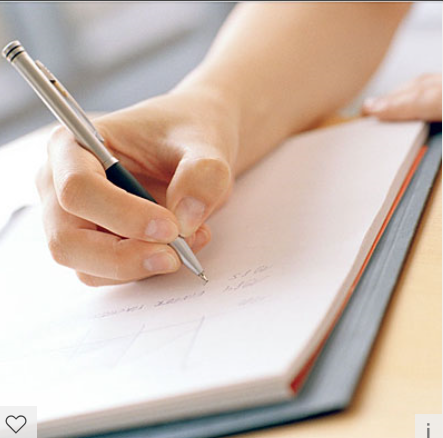
“The first draft is just you telling yourself the story.”
Attributed to Terry Pratchett
#amwriting #justwrite #iamawriter
“The first draft is just you telling yourself the story.”
Attributed to Terry Pratchett
#amwriting #justwrite #iamawriter
Memorable writing that sparks imagination. Lean in. Hear the writer’s voice on the page.
Customer Service
By Su Shafer
Mr. Wright came hobbling in today
Leaning heavily on a cane
He needed to pay his bill.
His good knee has gone out
His bad knee has been watching from the sidelines
Still wondering about the replacement
Promised a few years ago.
But he had to have bi-pass surgery
On a heart which has been hobbling along too.
He had come straight from the dentist
But was smiling anyway
The droopy smile of a weary man
“Getting old is so hard,” he said,
Stroking the sparse fuzz on his head.
“Is it really worth it?”
“It is today,” I said smiling back.
In the way someone
Who is really glad to see you smiles.
He nodded,
his mouth drooping a little less.
Su Shafer is a creative crafter, fabricating bits of writing in poetry and short stories, and other bits into characters that appear in paintings or sit on various bookshelves and coffee tables. She lives in a cottage on the Olympic Peninsula of Washington, where the tea kettle is always whistling and the biscuits freshly baked. One never knows who might stop by to share a rainy afternoon. And all are welcome!
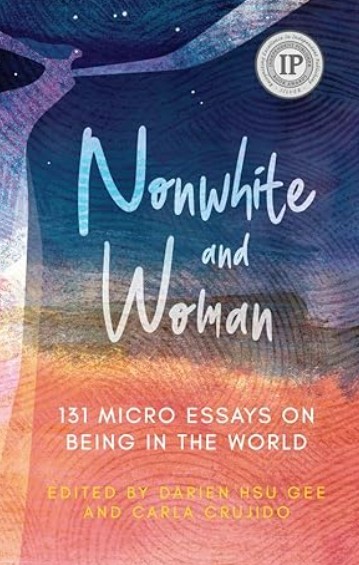
Zarien Hsu Gee offers “fast drafting” as a creative process:
Fast drafting is a way to break through creative paralysis, to see what might be possible with an idea or writing project. When you commit to writing fast without judgment, you bypass the inner critic that can slow your progress to a crawl or even prevent you from moving forward at all.
The beauty of fast drafting lies in its imperfection. By calling it a “fast draft,” you free yourself from the expectation of perfectionism. You accept fast drafting as a necessary creative process in order to move forward with your work, and your expectations for its literary genius is low. Your goal is just to get it all down.
The fast draft also serves as confidence booster. It reminds you that you can write this story, this novel, this memoir.
When you write fast enough to outrun judgment, your creativity has a chance to show you what’s possible.
Fast drafting is giving yourself permission to create freely. Speed helps you outrun your inner critic long enough so you can see what you’re capable of creating. It is an essential step towards creating something meaningful.
Excerpted from “Outrunning the Inner Critic: In Praise of Fast Drafting,” The Brevity Blog March 13, 2025 post.
Darien Hsu Gee is the author of five novels published by Penguin Random House that have been translated into eleven languages. Her collection of micro memoirs, Allegiance, about growing up Chinese American, won the 2012 bronze IPPY award for essays. Darien received a 2015 Hawai’i Book Publishers’ Ka Palapala Po’okela Award of Excellence for Writing the Hawai’i Memoir. Join Darien at writerish.substack.com where she offers free guided 10-minute writing sessions.
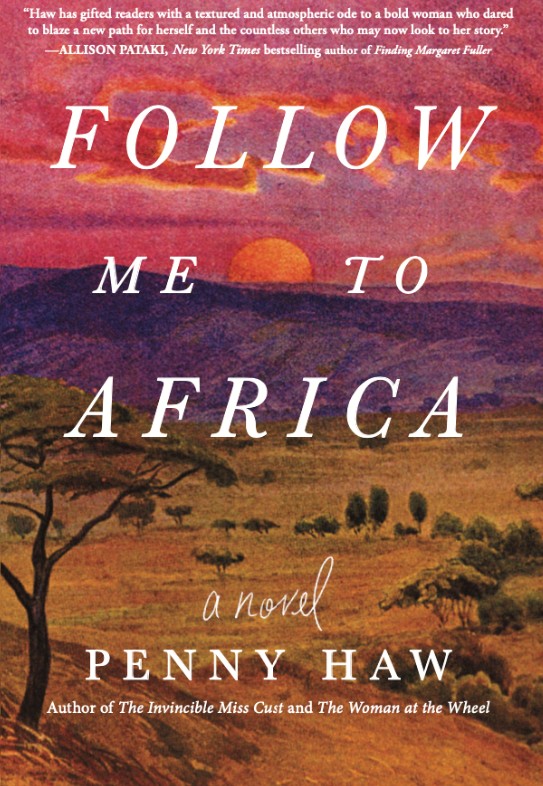
Excerpt from “Readers Are Fascinated by Truth in Fiction—and It Matters,” by Penny Haw
“It doesn’t matter who we are, we all want stories. They help us make sense of our experiences and a complicated world. Because we’re inquisitive, social animals, stories help us understand and connect with one another. When we recognize and relate to characters and events in stories—particularly those we believe to be true—it strengthens our social bonds and confirms we belong. There’s a kinship that inspires, informs and comforts us and, though we might not always be conscious of it or understand why, we’re all searching for truths in the world.
Stories also evoke emotions and help us understand what it might be like to be different. We want to see the truth in those stories to help us understand people who are different and have different experiences of life.” — Posted on Jane Friedman’s Blog, July 31, 2025

“Our brains like order,” explains Kristi Phillips, a Minnesota-based psychologist “having less stimuli around us helps promote relaxation.”
She points out the popularity of home-decluttering Reels and TikToks, as well as TV series such as Get Organized With the Home Edit and Hot Mess House.
“But while we enjoy the afterglow of a cleaned-out junk drawer, we still procrastinate when it comes to tackling more complex areas of clutter in our lives. When we’re trying to declutter our own spaces, we have an emotional attachment to those items,” she says.
“Whether there are memories linked to those objects or simply the guilt of getting rid of something you spent money on, the task of mentally weighing each item can be overwhelming, with a video, you see the fast-forward of how quick it is … so it gives us that hope and positivity of, Oh, I can do that too.” — “Why Watching Decluttering Videos Feels So Good” by Abby Alten Schwartz
Writing Prompt
Write about your cleaning out habits or your decluttering experience, could be your things or someone else’s things.
OR: Write about what helps your brain to relax.
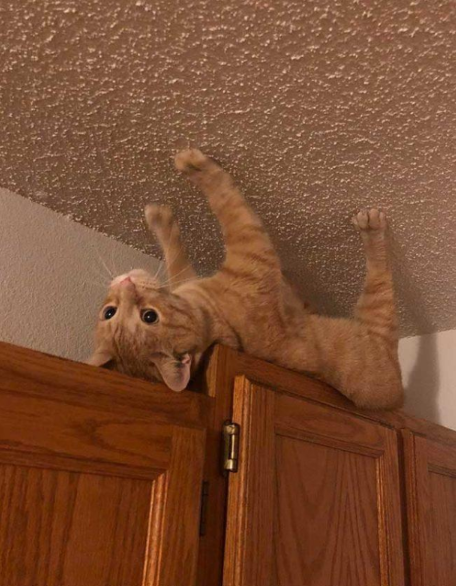
Write about something you can’t explain.
Something that makes no sense that’s happening to you now, or happened in the past.
#justwrite #amwriting #iamawriter
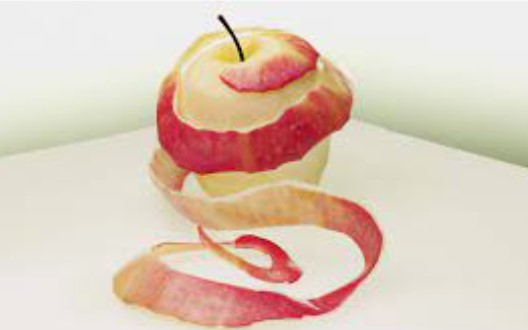
Write about a quirk you have.
It could be something you do, or participate in, or watch.
There may not be a logical explanation for this, except that it brings you joy or satisfaction.
#justwrite #amwriting #iamawriter

Photo by Marlene Cullen
“In times of unrest, struggle, and uncertainty, people reach for the comfort of story. When the world around us may feel bleak or overwhelming, stories offer us not just an escape from our troubles and worries, but a version of life that remind us of what’s most important, what we value and what is worth striving and fighting for, and the kind of world we could create if we do.” — Tiffany Yates Martin, “How to Write Amid Chaos,” Writers Digest July/August 2025
#justwrite #iamwriting #iamawriter

Today’s writing prompt is a photo of an owl.
Photo by Marlene Cullen
Here’s what happened:
I looked out my kitchen window and saw the most majestic owl sitting on the roof of our shed.
She (he?) literally took my breath away.
I took a picture through the window.
Then I went outside to take a better look and a better photo.
She swiveled her head and looked right at me.
I snapped a photo.
Then she flew away to the top of a pole.
Poetry in flight.
My friend Kathy, who works at a bird sanctuary, said it’s a juvenile great horned owl.
Prompt: Photo of an owl
Just Write!
#iamwriting #iamawriter #justwrite
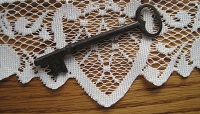
Sophie Campbell hands us the key to unlock the dilemma of when to “show” and when to “tell.”
“In creative writing, we’re often told to show, not tell. It’s practically gospel. In essence, it means show us how a character is feeling, don’t tell us.
For example, ‘Jane felt a bubble rise in her throat and her chest heaved as she sobbed,’ is more powerful than simply, ‘Jane was sad and she cried.’
But the truth is, the most compelling fiction does both showing and telling, and the best copywriting does too.
The key isn’t choosing one over the other, it’s knowing when and how to use each of them to create characters that feel like real people and a voice that readers will remember.”
Excerpted from The Forever Workshop, Use This Copywriting “Golden Rule” In Your Fiction, Poetry & Essays, Lesson 3 of “Steal From a Copywriter: Copy Techniques That Translate Into Creative Writing.”
Just Write!