
Write about your secret passion.
#amwriting #justwrite #creativewriting
#amwriting #justwrite #creativewriting

#amwriting #justwrite #writing freely #creativewriting

#amwriting #justwrite #freewrites #creativewriting
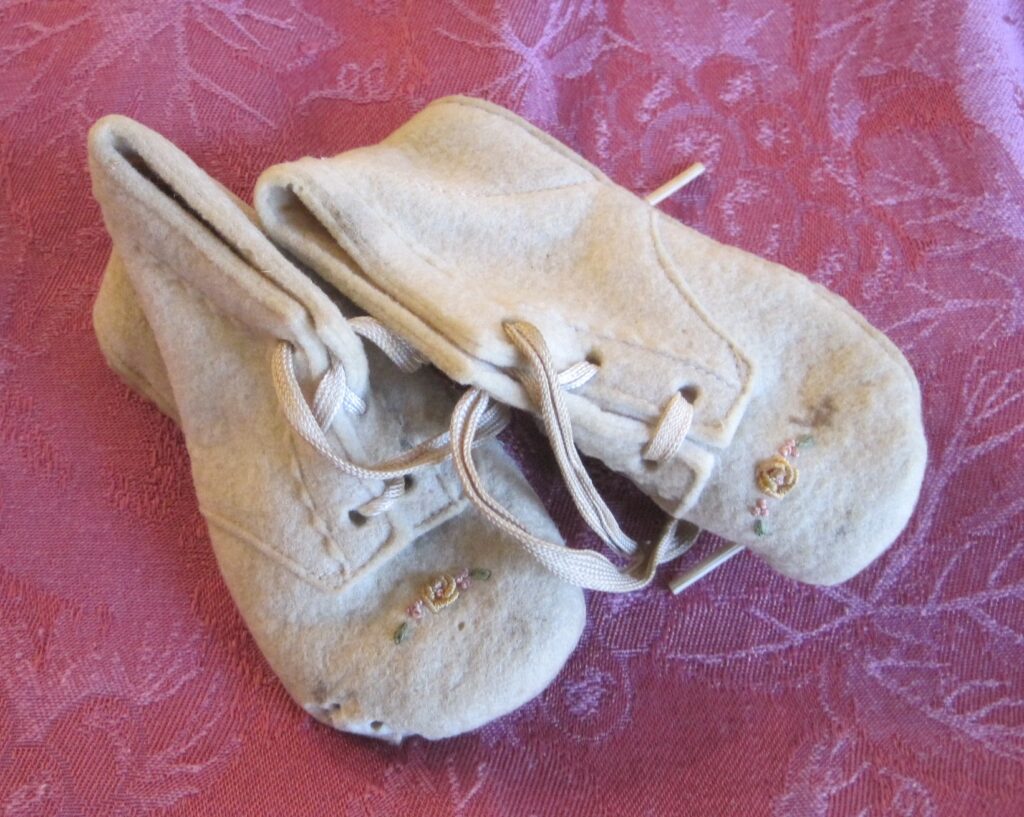
#amwriting #justwrite #creativewriting #memories
#amwriting #justwrite #creativewriting

Scene 1
You are sitting at your kitchen table. The morning sun lights up the room. You wrap your hands around a mug of warm, steaming, fragrant [type of drink]. What are you daydreaming about?
Scene 2
You are sitting on a porch, looking out at [wherever you are]. A movement catches your eye, reminding you of . . .
Scene 3
You and (name of dinner partner) are enjoying dessert. You are surprised by . . .
Scene 4
There you are, in the middle of [something]. What are you thinking about?
#amwriting #justwrite #creativewriting

Ekphrasis: Art describing other art.
Created by the Greeks, the goal of this literary form is to create a word-painting, so the reader can envision the item described as if it were physically present.
Write whatever the image conjures up.
You can see ekphrasis art at the Artists’ Co-op of Mendocino, a collaboration between writers and visual artists where writing is paired with visual arts. Writing was nspired by art as well as art that inspired writing: 2021 Ekphrasis X Exhibition.
#just write #amwriting #ekphrasis

Have you read something that feels “off?”
Or been bored with the sluggish, plodding plot?
Do you wonder why the novel isn’t moving along?
It could be the lack of balance between narration, dialogue, and action.
As a writer you want to keep your story moving and engaging.
Weaving
“We want to balance our scenes using three elements of fiction: dialogue, action and narrative. This is one reason you want to put your character in a scene with other characters as often as possible: Scenes that weave together these three elements engage the reader at an emotional level much more effectively than scenes that are only dialogue, only narrative or only action.” —Gloria Kempton
One at a time
Sometimes you want to focus on one aspect. Use dialogue, for example, to show a character’s personality and motives.
“If you want to highlight a particular character trait in your viewpoint character . . . you don’t want the scene cluttered, the reader distracted or the pace slowed by action or narration.” —Gloria Kempton
Pacing
If your scene involves conflict, dialogue alone can work to show emotions.
Or, you might want to use narration to indicate what the character is thinking and to avoid dialogue that could sound contrived.
Action is best when you want to propel an intense scene forward and when characters wouldn’t be talking during a powerful situation.
What to use and when
Dialogue: Speed things up.
Narration or dialogue or a combination: To provide background information.
Action or narration: When too much dialogue is clumped together.
Ready to experiment?
Choose a scene from your work in progress or write a new scene.
First round: Write scene in dialogue only.
Second round: Write same scene using narration only.
Third round: Write same scene using all action.
Last round: Weave all three styles for a three-dimensional effect.
—Excerpts from “Weave Action, Narrative and Dialogue,” by Gloria Kempton, Nov/Dec 2010 Writer’s Digest
#amwriting #justwrite #dialogue
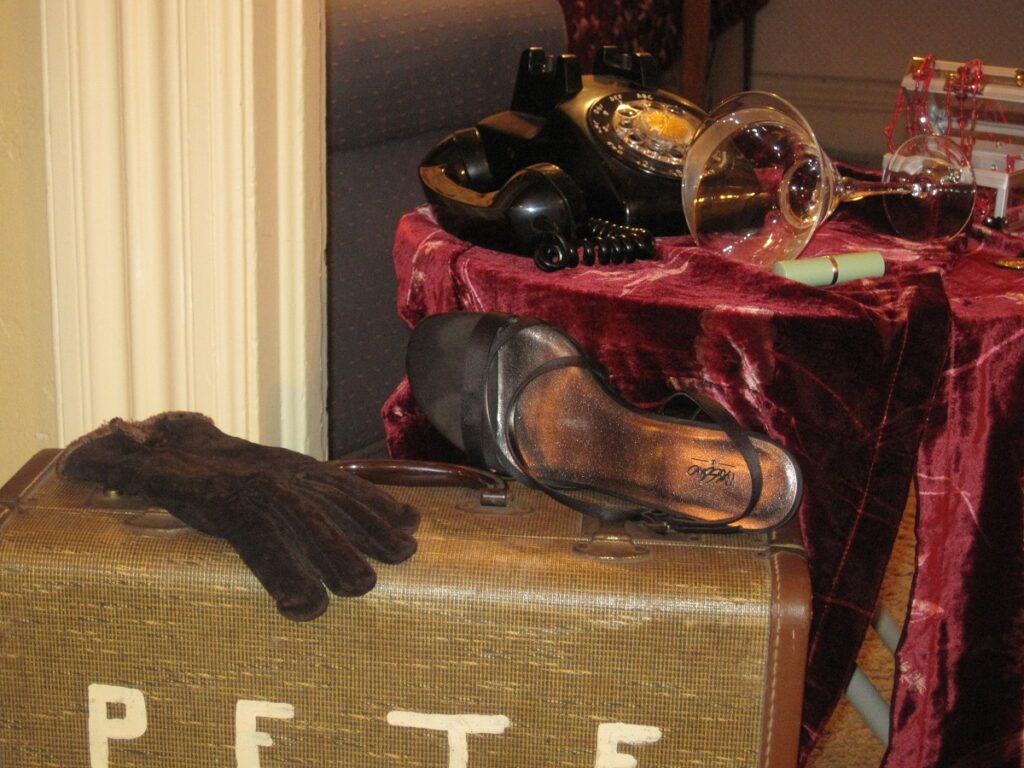
Memoir is similar to many elements of fiction: Careful scene setting, pacing, tension, conflict.
Seduce the reader with a confiding tone.
Reveal secrets. The best secrets are those that the author reveals or learns about self in the process, “Ah, did I really think that?”
Readers are interested in your conflicts.
It’s important to modulate good times and bad times.
“The best memoirs explore and reveal conflict in a way that illuminates and startles.” —Kat Meads
Consider the scope of your memoir. It’s not necessary to start from when you were born and work your way up. Don’t try to write about everything. Take one aspect. The year you were in Paris, for example.
If you go with a chronological way of telling, share just the important events that shaped you.
The idea is to look objectively at your life to write a richer subjective memoir.
Part of writing memoir is reacquainting ourselves with ourselves.
Ways to delve into writing your memoir:
Your childhood home
~Draw a picture of a house you grew up in. If you grew up in more than one house, pick one at a time to write about.
~ Write three memories that took place in this house.
~Put an x on those rooms where the memories took place.
~Write a paragraph about an early memory that took place in this house.
An eventful day
~Pick a significant day in your life. Write a brief paragraph about what the event was and why it was significant
~List five or eight details about that day
Time capsule
~ Write about five items that would define you to put into a time capsule
Lies, humiliation, secrets
Write about a lie you told. What were the circumstances surrounding that lie? What prompted you to tell it? What were (or are) the consequences of that lie? Did you get away with it? What effect has it had on you?
Sentence starter: “The day that _________ humiliated me.”
What is your longest kept secret?
“You must not tell anyone, my mother said, what I’m about to tell you.” —Maxine Hong Kingston
If you were going to start a memoir with that sentence . . . what would you write next?
This blog post is inspired from a writing workshop with Kat Meads.
More about writing memoir:
Write Memoir in Voice of Narrator
#amwriting #justwrite #memoir
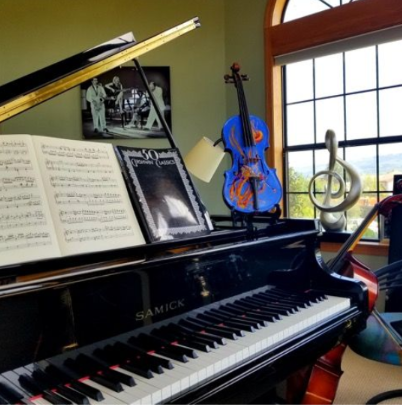
“The goal of description is to create a well-designed set that provides the perfect background for your characters—a setting that stays in the background without overwhelming the scene or interrupting the story.” —Moira Allen
In real life, we explore our surroundings through our actions and experience them through our senses. Create a structure for your characters to do the same.
Craft your descriptions so details unfold as your character moves through the scene.
Know which details your character would notice right away and which details will register more slowly.
Suppose, for example, your heroine is a secretary of humble origins and has just entered the mansion of a millionaire.
Let her notice how soft the rich Persian carpet feels underfoot, how it muffles her footfalls, how she is tempted to remove her shoes.
Don’t mention how soft the sofa is until she sinks into it. Let her smell the leather cushions. Bring in other smells as she scans the room: A bouquet of dahlias, a rich pipe tobacco smell.
Mention the heavy, marble center table your hero has to detour around to look at the bronze statue on the credenza. Show him blinking as he looks at the glittering light reflected from the crystal chandelier.
Do not mention the masterpieces on the walls if your character doesn’t know who Klimt or Vermeer are. Go with what your character would know and notice.
A fisherman would notice different details about the sea and beach than an accountant with limited coastal experiences.
Writing Prompt
Think of a character to write about. This character could be imagined or based on a real person or a based on a fictional character.
Write a scene from that character’s point of view.
Setting could be:
~ A sea coast
~A carnival
~A classroom, perhaps an alma mater
~ Farmer’s market in a villa
~ Cruise ship
~A bustling coffee shop in a big city
~A quiet coffee shop in a small town
~A basement
~A bookstore
Choose a character, choose a setting, and Just Write!
Adapted from “How to Bring Your Settings to Life,” by Moira Allen, The Writer magazine, March 1999
#justwrite #amwriting #scenesetting