Blog

  • Onomatopoeia . . . Prompt #341

    Using sound in our writing can be a way to add richness and memorable descriptions to our prose.  For this writing, first think of some sounds . . . . a train whistle . . . a fog horn . . . a cat’s meow . . . someone calling for help.

    Take a few minutes, if you can, to listen to the sounds around you right now. Think of some other sounds . . . the fizz from a carbonated drink being opened, the intake of breath when someone is surprised.

    As Jay Heinrichs says in the October 2011 issue of The Writer magazine, “Onomatopoeia:  Words that go splat”:

    “The Greeks came up with [onomatopoeia], which means ‘made-up name.’ The ono is an echo, imitating a sound for action.

    The ono . . . is a great way of bringing life to your storytelling. Things do not go “oops” in the night; they go bump. A master storyteller uses onos to make an audience feel the action.

    Include sound effects in your own stories. Rather than ‘He hit his head on the beam’ use ‘He cracked his head on the beam.’”

    Your turn . . . . the first prompt is an idea from Henrichs’ article, use sound in your writing:

    Prompt:  Pretend to sell a used car or a building or jewelry or clothing or a concept or an idea, or any item using words that match the item.

    Prompt: The one that got away.
  • Connect to the language of your work


    “You have to connect to the language of your work by paying attention to what you’re trying to say. Sometimes what you want to say doesn’t come easy. That’s fine. Give yourself time to make mistakes, to start again, to scrap good pieces that are going nowhere.” — Virgil Suárez


  • A tradition involving your grandparents. Prompt #340

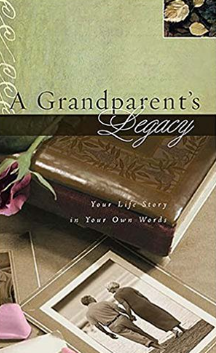
    “As the years slip past, we become more and more aware of what’s really important in life. With every passing season, we see more clearly and know more surely that the love and traditions a family shares are treasures beyond value.” — A Grandparent’s Legacy: Your Life Story in Your Own Words by Thomas Nelson

    It occurs to me (Marlene) that we think our lives are boring. We think “No one wants to hear about me.”

    But. . . aren’t you curious about your grandparents and your ancestors? Maybe you are lucky and know all about them. If you are like me, you know little about your family that came before you.

    So, write your stories. Write stories about your parents, grandparents, aunts, uncles. I bet someone will be interested. I bet more than one person will be interested.

    Write about a tradition involving your grandparents. Or about anyone in your extended family.

    Just Write!

  •  Nervous about sharing your writing?

    “Do you ever feel nervous about sharing so much in print?”

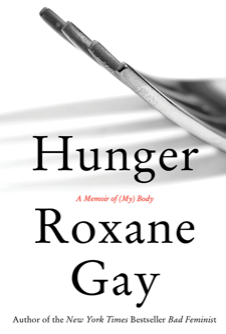
    Roxane Gay answers, “Absolutely. The only way I really have the courage or stupidity to share my writing is by believing that no one is going to read it. I have to tell myself that because I‘m actually very shy and private in real life. It’ hard to share such personal stories. But here I am!

    It’s difficult at this point to maintain the delusion. It was much easier when I was publishing in small literary magazines and nobody knew who I was.” Roxane Gay, September 2017 Writer’s Digest

    Note from Marlene:  So, even prolific writers are nervous about their work being made public.  Here’s a thought:  Don’t worry. Just write!

    Roxane Gay’s writing appears in Best American Mystery Stories 2014, Best American Short Stories 2012, Best Sex Writing 2012, A Public Space, McSweeney’s, Tin House, Oxford American, American Short Fiction, Virginia Quarterly Review, and many others. She is a contributing opinion writer for the New York Times. She is the author of the books Ayiti, An Untamed State, the New York Times bestselling Bad Feminist, the nationally bestselling Difficult Women and the New York Times bestselling Hunger. She is also the author of World of Wakanda for Marvel. She has several books forthcoming and is also at work on television and film projects.

  • Uncanny ready for your submissions


    Uncanny Magazine  is an online Science Fiction and Fantasy magazine featuring passionate SF/F fiction and poetry, gorgeous prose, provocative nonfiction, and a deep investment in the diverse SF/F culture.  Each issue contains intricate, experimental stories and poems with verve and imagination that elicit strong emotions and challenge beliefs, from writers of every conceivable background. Uncanny believes there’s still plenty of room in the genre for tales that make you feel.

    Uncanny looks for new and classic speculative fiction, podcasts, poetry, essays, art, and interviews.

    Submissions

    Oct 2 to Oct 16, 2017:  short story submissions and poetry submissions.

    Note from Marlene:  Sorry for the short notice. It’s good to always have something ready to submit for these short notices.

    Fiction Guidelines

    Uncanny is looking for original, unpublished speculative fiction stories between 750-6000 words. Payment is $.08 per word (including audio rights).

    Poetry Guidelines

    Uncanny is looking for original, unpublished speculative poetry of any length. Payment is $30 per poem.

    Nonfiction Submissions

    Uncanny doesn’t accept unsolicited nonfiction submissions. Payment is $50 per essay on acceptance.

    Art Submissions

    Uncanny pays $100 for reprint art.

  • Favorite outfit or school uniform . . . Prompt #339

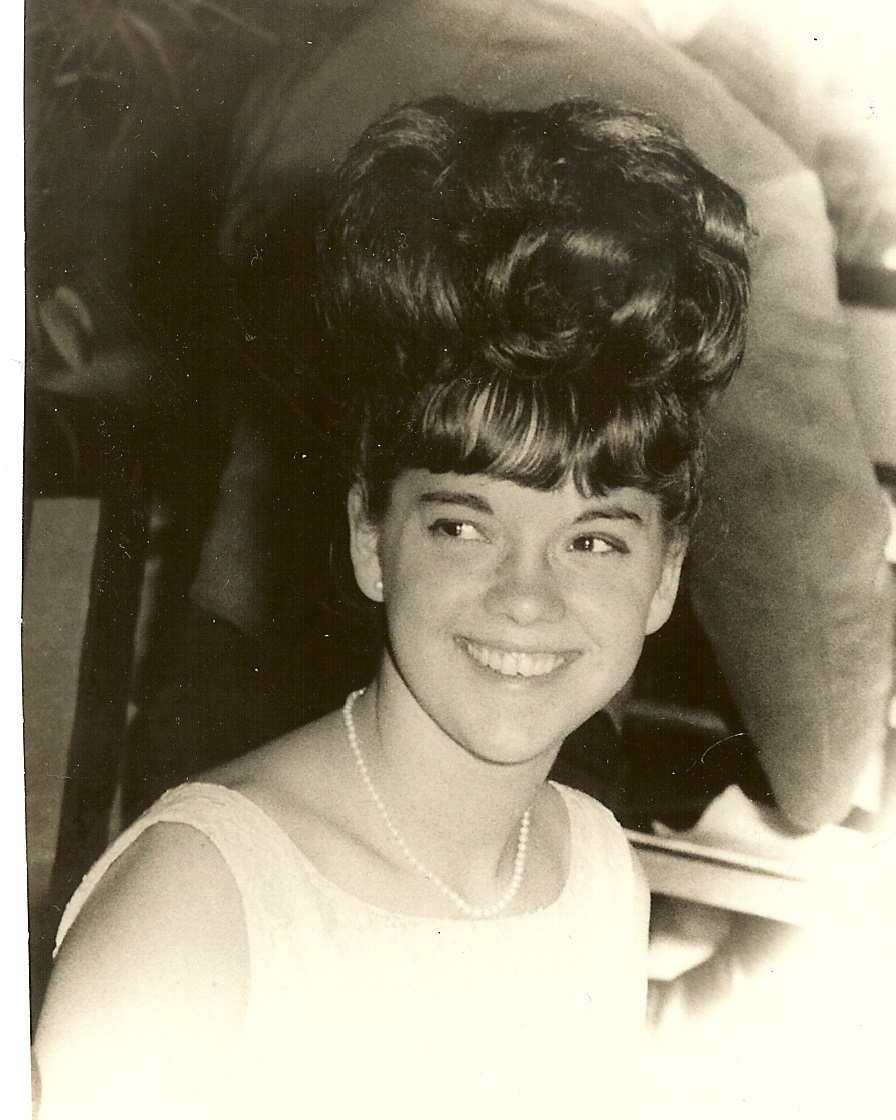
    Write about a favorite childhood outfit – dress, pants, top or favorite childhood dressy outfit – on what occasions would you wear it?

    Or write about school uniform.

  • Ecotone magazine invites reimaging place in writing and art

    Ecotone’s mission is to publish and promote the best place-based work being written today. Founded at the University of North Carolina Wilmington in 2005, the award-winning magazine features writing and art that reimagine place, and our authors interpret this charge expansively. An ecotone is a transition zone between two adjacent ecological communities, containing the characteristic species of each. It is therefore a place of danger or opportunity, a testing ground. The magazine explores the ecotones between landscapes, literary genres, scientific and artistic disciplines, modes of thought.

    Submission guidelines

    Ecotone, the literary magazine dedicated to reimagining place, welcomes work from a wide range of voices. Please review guidelines before submitting. We strongly encourage writers to read work we’ve published before sending their own. A selection of work from recent issues is featured our website, where you can also order a copy of the magazine.

    Ecotone is open to submissions, by post and via Submittable, from August 15–October 1, and from December 15–February 1. We adhere strictly to posted dates. Any mailed submission postmarked outside the listed submission periods will be recycled unread. 


  • Being Kind . . .  Prompt #338

    Write about a kindness a stranger did for you.

    Or a kindness you offered to a stranger.


  • Immerse the reader

    “Writers can learn a lot from reading comic books and graphic novels, such as about brevity. Of course, comics do have the benefit of imagery. That said, the importance of scene can’t be understated. I’m always telling my students: Show us moments instead of wildly narrating an entire story and describing what’s happening. Try to find ways to immerse the reader.” Roxane Gay, September 2017 Writer’s Digest

  • Declutter . . . Prompt #337

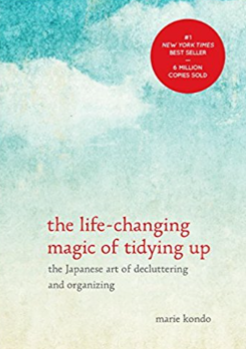
    “When I put my house in order I discovered what I really wanted to do.”  These are words that professional organizer, Marie Kondo, hears repeatedly from her clients.

    “Their awareness of what they like naturally increases and, as a result, daily life becomes more exciting.” — Marie Kondo, the life-changing magic of tidying up, the Japanese art of decluttering and organizing

    There are a couple of ways you can use this writing prompt:

    Either clean something out: a drawer, the refrigerator, a file drawer or a file folder, a room, a car, a garage.

    Or mentally picture decluttering something in your life.

    Show that it’s not just physically making space, it’s also making mental space, letting go of an old self and making room for who you are now, and who you want to be.

    Prompt:  Write about cleaning or decluttering and the results.