Blog

  • The Hum

    By Camille Sherman

    It startled me. The devices were powered off, the lights relieved of duty. The street below offered no atmosphere or background detail. All is still. 

    I whip my head, crane my neck, squint my eyes. The hum does not become louder, more apparent, more directional. It almost becomes maddeningly softer, like a drop of water has come and diluted its color so its wayward edges are harder to spot. 

    It doesn’t quite have a pitch. I rule out the heater, much more ostentatious when it kicks on to rescue cold feet. I come to terms with the fact that it is likely the refrigerator, reassuring me that it is trusty and functional.

    I put my mug in the sink, grab the blanket off the couch, and slide into bed. Lying there, I realize the devices are powered off, the world is asleep. The low hum is the sound of myself, alone, sitting still.

    Camille Sherman is a professional opera singer from the Bay Area. She trained at The Boston Conservatory and the San Francisco Conservatory of music, and served as an Artist in Residence at Pensacola Opera and Portland Opera. She currently lives in Portland, where she continues to sing and develop projects with local artists.

  • A Type of Disconnect

    It’s been a difficult thirteen months during shelter in place. From March 2020 to now (April 2021) many of us have felt a spectrum of emotions.

    Alison Flood eloquently captures what many of us are experiencing:

    After a month of lockdown, William Sutcliffe wrote on Twitter: “I have been a professional writer for more than twenty years. I have made my living from the resource of my imagination. Last night I had a dream about unloading the dishwasher.”

    Whether it is dealing with home schooling, the same four walls, or anxiety caused by the news, for many authors, the stories just aren’t coming.

    “Stultified is the word,” says Orange prize-winning novelist Linda Grant. “The problem with writing is it’s just another screen, and that’s all there is … I can’t connect with my imagination. I can’t connect with any creativity. My whole brain is tied up with processing, processing, processing what’s going on in the world.”

    Grant describes waking up in a fog, and not wanting to do anything but watch rubbish TV. Her mind is not relaxed enough, she says, to connect with her subconscious. “My subconscious is just basically screaming: ‘Get us out of this,’” she says, so there’s no space to create fiction. “I don’t have the emotional and intellectual energy to give to these shadowy people to bring them out of the shadows.”

    William Sutcliffe . . . has been trying to dream up his next book, and “that kind of work is really, really incompatible with lockdown and with this stage of pandemic fatigue.”

    Others, such as writer Gillian McAllister, are most affected by the lack of serendipitous glimpses of other lives. “I think authors take so much inspiration from things like the clothes a stranger is wearing, the smell of their perfume, their body language, seeing a couple interact in a bar,” she says. “I’m having to mine my memories for this stuff, which is less authentic and lacks a kind of specific detail that I like to write about in ordinary times.”

    Linda Grant has also felt “completely cut off from material. I felt I was forced into this interiority, when there was no exterior, no outside to engage with,” she reflects. “You don’t have those overheard conversations on buses, there’s no stimulus. It’s just a sort of sea of greyness, of timelessness.”

    As Grant points out, this is “a once in a blue moon example of every writer being affected by exactly the same situation.”

    So are we likely to be deluged, in a year’s time, with locked-room mysteries, or stream-of-consciousness novels about unloading the dishwasher? “It’s a massive problem for contemporary novelists, most of whose novels are set in a non-specific version of now,” says Sutcliffe. “You can write a novel set in 2013, 14, 15, but 2019, 20, 21, these are three completely different worlds.

    Excerpted from “Writer’s blockdown: after a year inside, novelists are struggling to write” by Alison Flood, The Guardian, February 19, 2021

  • Writer Advice: Flash Fiction Contest

    I met B. Lynn Goodwin several years ago at a writing workshop.

    Lynn is the creator of Writer Advice, a resource for writers. Since 1997, it has grown from an e-mailed research newsletter for writers into an e-zine that invites reader participation and holds four contests a year.

    WriterAdvice seeks flash fiction, a story running 750 words or less. Sometimes fiction is based on real life, sometimes it stretches the imagination, but we always love or hate the characters. All fiction genres are welcome. Hopefully, your story will touch or move readers in some way.

    The last day submissions will be accepted:  Wednesday, June 2, 2021.

    Early submissions are encouraged.

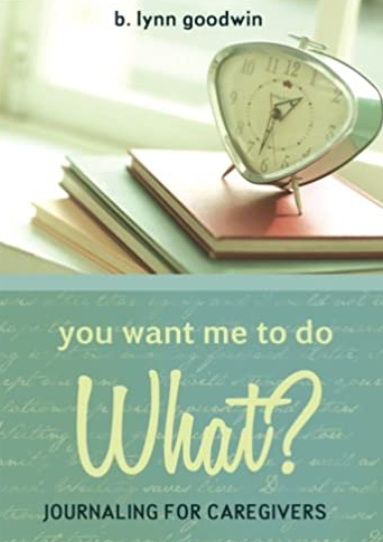
    Lynn is the author of one of my favorite books, You Want Me to Do WHAT? Journaling for Caregivers (Tate Publishing), Talent, and her memoir, Never Too Late: From Wannabe to Wife at 62

  • Studio Apartment

    By Deb Fenwick

    She’s ready to set the world on fire. She’s got the requisite credentials: a freshly printed MBA from Wharton and a studio apartment in Brooklyn Heights. Yes, it’s a studio, but it’s a nice studio—spacious with carefully curated accessories. She even has houseplants.

    She can’t get to the gym or her Pilates class right now, well, because . . . Covid. She meets up with girlfriends for gossipy, boozy, Zoom happy hours on Fridays where everyone looks great from the waist up. She even puts on lipstick for the calls so that she can see the after image of her lips on the wineglass long after everyone logs off. It’s proof that she had fun.

    She and her friends are in that sweet spot after college but before the gorgeous weight of marriage, mortgages, and children (in that order) that will bind them to suburban homes with good school districts. 

    Her parents love her. They’re generous. They worry. Mom pays for the cell phone plan, so the least she can do is answer her parents’ texts and call them once a week. She calls her mom and dad on Sundays. Well, FaceTime, actually, because it’s good to see family—to see the moment her mother bites her lip when she hears that the job search seems to be stalled. And then the quick pivot and recovery as Mom forces a bright smile and adds sunshine to her voice, saying, “Something will turn up, darling. It’s Covid.”  Dad will smile silently like the sentinel he is. At the end of the call, he’ll ask if she needs money. She’ll mention that she could use just a little extra this month for groceries. Just until the job thing comes through. Just until things open up.

    When she ends those calls on Sundays, she doesn’t quite feel like setting the world on fire. Maybe just her apartment. The four walls seem to be closing in on her. Late afternoon New York darkness descends and devours any space for breathing.  She’s been here alone for over a year with her well-curated accessories. Alone. It’s the first time she’s ever lived by herself. She bathes, prepares meals, and scrolls in solitary confinement. It’s an endless loop except for the job rejections. Who knew she could grow to hate this apartment and everything in it?

    It was once all she dreamed about. Getting out on her own. Owning New York. Fast-paced work with a hedge fund firm, maybe. Clubs, theater, and dining with girlfriends. A boyfriend. Romance. Not Zoom calls. Not lipstick that she won’t wash off the wine glass.

    Tomorrow is Monday, she thinks to herself. A new week. She’ll follow-up on leads. Check-in on LinkedIn. For tonight, she’ll turn on the small ceramic lamp that sits in the middle of the mid-century modern end table as dusk turns to night. She’ll water two plants with leaves that are yellowing just a bit at the edges. She’ll make a bowl of noodles and stare out the window of her Brooklyn Heights brownstone as frost forms on the windows of the dry cleaners’ across the street.   

    Deb Fenwick is a Chicago-born writer who currently lives in Oak Park, Illinois. After spending nearly thirty years working as an arts educator, school program specialist, youth advocate, and public school administrator, she now finds herself with ample time to read books by her heroes and write every story that was patiently waiting to be told. When she’s not traveling with her heartthrob of a husband or dreaming up wildly impractical adventures with her intrepid, college-age daughter, you’ll find her out in the garden getting muddy with two little pups.

  • Can’t Live Without . . . Prompt #572

    Write about an appliance or a gadget you cannot live without.

    Sentence starts:

    I have to have . . .

    I cannot live without . . .

  • Crystallize A Moment

    Today’s guest blogger Nancy Julien Kopp muses about capturing and crystalizing a moment.

    The Wall Street Journal had an article profiling Maggie Smith, a contemporary poet. One of her quotes was simple but said a lot.

    “A poem doesn’t have to tell a story; it can just crystallize a moment.”

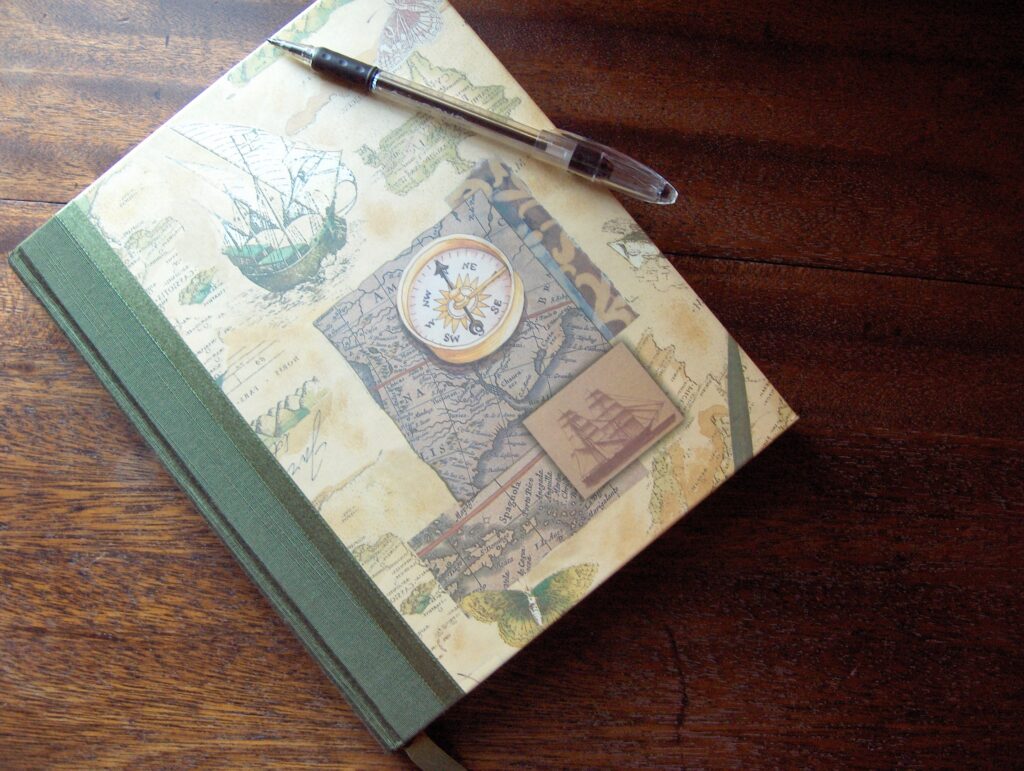
    I read it two or three times, then copied it on a notepad. 

    If you’ve ever been stopped by a beautiful sight or sound and wanted to write a poem, you’ll understand her thought to crystallize a moment.

    There’s no set number of verses to do that, no rhyming pattern, or anything else . . . just crystallize a moment.

    Maybe you’ve watched your children interacting, and there was a moment that you wanted to keep forever. It’s then that you should get that little notepad you keep nearby and jot down the thoughts you had. If you don’t do it right away, you’ll probably lose the intensity of the moment. 

    Early one morning, I went outside to pick up the newspaper, and I saw something that made me stop and watch and think. I wrote a poem about that one moment and what I saw in that tiny sliver of time, that took me to do a daily chore. It was a moment I wanted to remember, and the poem helped me do so.

    Message by Nancy Julien Kopp

    The cacophony of geese  

    caught my ear immediately  

    this cold, early morn, 

    as I claimed my newspaper

    on the still frosty driveway.

    I scanned the cloud-dense sky,

    paper clutched in hand,                                                              

    none sighted, but raucous honking

    pierced the dawn as they flew

    north from warmer climes.

    Yet, their message arrived with

    clarity, joy, and triumph.

    I smiled, knowing another spring

    will grace us one day soon. 

    Many nature poems are something we see for a moment, perhaps a quick glance at a colorful butterfly on a flowering bush. If that glimpse of something beautiful spoke to you, that’s when a poem might ‘crystallize’ the experience. It might be as simple as a haiku, or it could be a poem of several verses. 

    As you go about your day, use your writer’s eye to look for that exceptional moment or special sight, and pen a poem. You can ‘crystallize’ whatever it happens to be. 

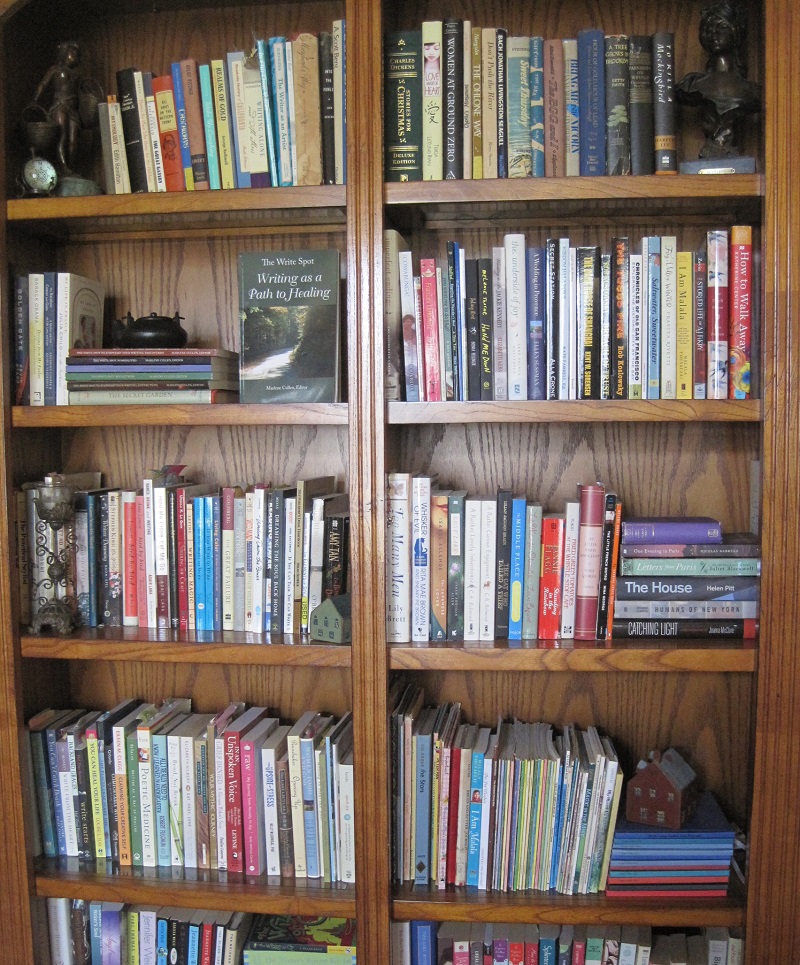
    Nancy Julien Kopp lives and writes in the Flint Hills of Kansas. She has been published in various anthologies, including 23 times in Chicken Soup for the Soul books, websites, newspapers, and magazines and The Write Spot: Writing as a Path to Healing (available on Amazon both in paperback and as an e-reader)

    She writes creative nonfiction, poetry, fiction for middle grade kids, and short memoir.

    Nancy shares writing knowledge through her blog, Writer Grannys World by Nancy Julien Kopp with tips and encouragement for writers.

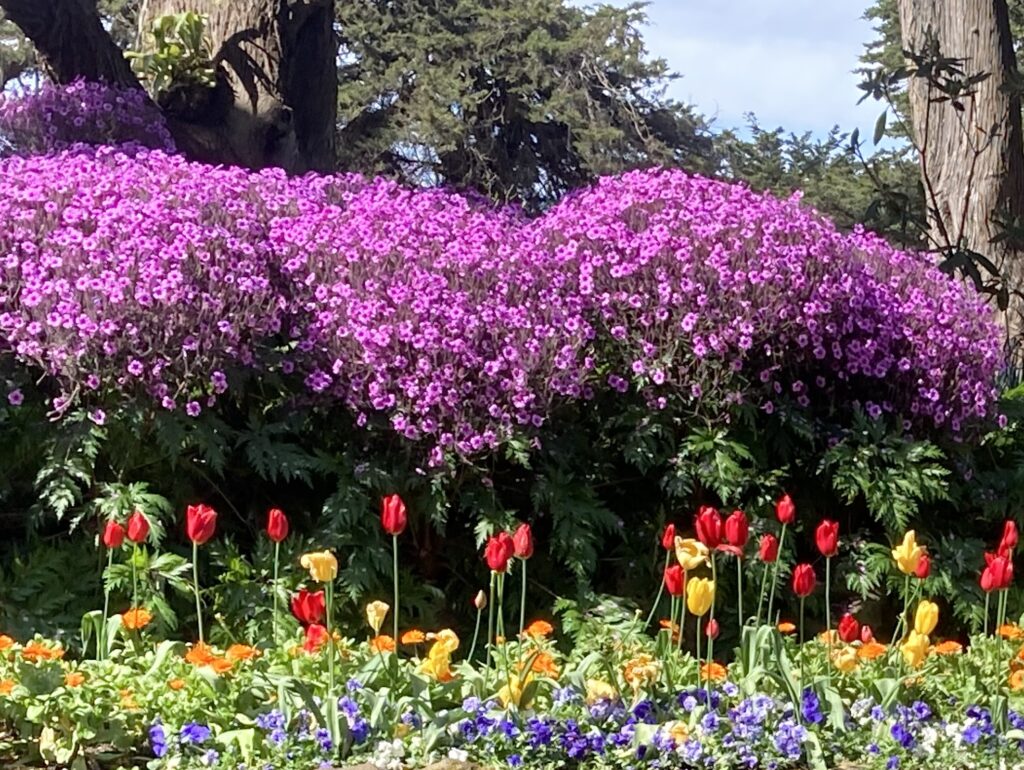
    Today’s photo is from the Queen Wilhelmina’s Tulip Garden, near the windmill in San Francisco. My crystalline moment.

  • First Lines From Books . . . Prompt #571

    First lines from books can inspire writing.

    Choose one, or more, and Just Write!

    “My name is Ruth. I grew up with . . .” — Housekeeping by Marilynne Robinson:

    “This was probably a mistake . . .” —Letters from Paris by Juliet Blackwell

    “With wobbly knees, I stood at the edge of the three-foot diving board.” —Beyond Recovery by Shawn Langwell

    “Marsh is no swamp. Marsh is a space of light, where grass grows in water, and water flows into the sky.” —Where The Crawdads Sing by Delia Owens

    “The biggest irony about that night is that I was always scared to fly.” —How to Walk Away by Katherine Center

  • First line and Write Towards What You Want To Know

    Opening lines of books are so important, as you know. First lines should draw the reader in and inspire the reader to keep reading. Thanks to a book club friend who sent Colum McCann’s article to me, excerpted below.

    I also like his take on “write what you know.”

    Colum McCann:

    A first line should open up your rib cage. It should reach in and twist your heart backward. It should suggest that the world will never be the same again.

    The opening salvo should be active. It should plunge your reader into something urgent, interesting, informative. It should move your story, your poem, your play, forward. It should whisper in your reader’s ear that everything is about to change.

    But take it easy too. Don’t stuff the world into your first page. Achieve a balance. Let the story unfold. Think of it as a doorway. Once you get your readers over the threshold, you can show them around the rest of the house. At the same time, don’t panic if you don’t get it right first time around. Often the opening line won’t be found until you’re halfway through your first draft. You hit page 157 and you suddenly realise, Ah, that’s where I should have begun.

    So you go back and begin again.

    Don’t write what you know, write towards what you want to know.

    A writer is an explorer. She knows she wants to get somewhere, but she doesn’t know if the somewhere even exists yet. It is still to be created. Don’t sit around looking inward. That’s boring. In the end your navel contains only lint. You have to propel yourself outward, young writer.

    In the end your first-grade teacher was correct: we can, indeed, only write what we know. It is logically and philosophically impossible to do otherwise. But if we write towards what we don’t supposedly know, we will find out what we knew but weren’t yet entirely aware of. We will have made a shotgun leap in our consciousness. We will not be stuck in the permanent backspin of me, me, me.

    Excepted from “So you want to be a writer? Essential tips for aspiring novelists,” by Colum McCann, The Guardian, May 13, 2017

  • My Dream Is…

    By Susie Moses

    I dream of living for awhile in a cabin in a thick forest at the edge of a quiet lake, possibly in the North Woods of the Adirondacks or the wilds of Minnesota on the Canadian border, or maybe the San Juan Islands off the coast of Washington.  Maine would work too. I will have a canoe, or these days, a kayak, easier to manage solo. 

    I will arise as the sun emerges, put on a jacket and knit cap against the morning chill, and insert myself into my boat for a silent tour of the shoreline. As I watch the light spread from the horizon, changing colors are reflected in the low-lying clouds as the sun burns off the fog. My lake will be sparsely populated, no jet skis or motor craft of any kind, just self-propelled canoes or kayaks, and at that early hour I may be the only person out and about. I will gently dip my paddle into the flat surface of the silky black water, creating gentle ripples, but almost no noise other than the sweet sound of dripping as droplets dribble off the oar.

    I will float quietly among lily pads and reeds observing the world come alive.  Birdsong, fluttering wings, the kerplop of a frog, the delicate splash of a smallmouth bass seeking an insect. And if I am lucky, the call of a loon. The world will be my oyster. I can be a voyeur of nature’s great bounty as the day begins. It will be my meditation.

    I will paddle for about 40 minutes, feeling the stretch in my upper arms, delighting in the simple exertion of slicing a path through the stillness. I will be filled up with noticing, with taking stock of what surrounds me, of becoming aware of the busyness, the fullness of nature that envelopes me here once I have given myself over to paying close attention.

    When I return, I will strip off my outerwear, down to my basic red tank swim suit I had put on under my warm layers, and I will dive off the end of the dock into the chilly waters.  “Bracing,” I will hear myself think, recalling my father’s words on summer mornings of my youth when a pre-breakfast dip in the lake was a requirement before pancakes and sausage. After my quick swim, more of a plunge, really, as it is too cold to stay submerged for long, I will wrap myself in a thick terry cloth towel as I run to the outdoor shower to stand under sheets of almost too hot water to stop my teeth from chattering.

    Then, dressing in warm clothes again and enjoying a hearty breakfast with lots of dark thick hot coffee, and after tending to any business or domestic details which must be seen to, I will gather a stack of books and settle in the Adirondack chair that sits on the crest above the lake. Pine trees tower overhead, the smell of sap surrounds me, a result of my footsteps on the pine needle-strewn path.

    This is nirvana. The only physical exertion required will be to move my chair to follow the warmth of the sun as the light dapples through the trees. Later in the day, as the temperature rises, I will reverse this process to keep the chair in the shade. I will take breaks from reading to undertake a longer swim in the afternoon, stroking all the way to a neighbor’s raft several houses down, where I will emerge to lie on the warmed boards as I soak up the heat from the strong sun overhead.  When that becomes too much, I will dive back in to the clear water, its minerally taste on my lips, eager to get away from the slight creepiness of whatever it is that lurks beneath the raft, among the rusty barrels that hold it afloat.

    I should make this dream come true. I should arrange this. It is a simple experience I seek. Nature, solitude, fresh clear water, many books. Quiet and peace providing the space for watching and seeing and taking in, interrupted only by bats that invade the cottage, the black flies that draw blood at the hairline, the mosquitos and no-see-ums and the damned geese that leave their white droppings all over the dock. The mice that skitter around the kitchen, the flying squirrels in the attic. The realities of living in a rustic abode in an unspoiled environment. I will have to share with the beings that preceded my arrival. It’s all part of the package.

    Susie Moses is a generative writing junkie, enjoying the process and dreaming of actually doing something constructive one day with the piles of papers and notebooks she has that have accrued, that are spilling out of closets and off shelves and out of drawers. 

    But for now, just getting words down on the page is an accomplishment and a delight. She has spent the year of Covid in Marin County to be near her daughters, but at some point, will have to tear herself away to return to her beloved Blue Ridge Mountains in Virginia, at least for a while.
  • Dinner Party . . . Prompt #570

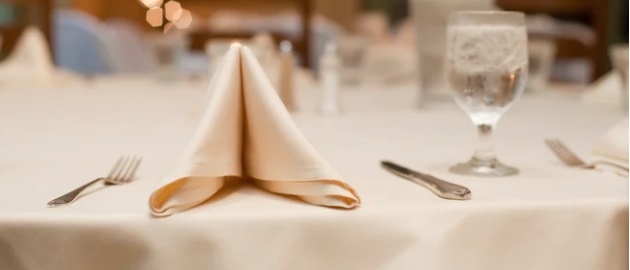
    “Imagine a dinner party post-pandemic. Which humans will be with you around the table? Where will it happen? What music will you listen to? What will you serve? What stories will you tell, what toasts will be made? What truths do you want—maybe need—to share? — Carla Fernandez

    Prompt inspired by Carla Fernandez, a creative entrepreneur and cofounder of The Dinner Party, the nation’s first community fighting the isolation of grief and loss for 20-40 somethings.  Her work has been featured on NPR, Good Morning America, and O Magazine, and as a case study in a dozen+ books.

    A Senior Innovation Fellow at USC, she was named one of the city’s “most fascinating people” by L.A. Weekly. She currently lives between Accord, NY, and Joshua Tree, CA, with her partner Ivan and rescue dog, Biscotti.

    Originally posted in Suleika Jaouad’s The Isolation Journals.