
Blog
-
Superstition. Prompt #521
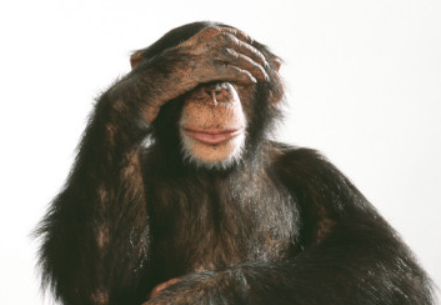
Superstition . . . write about a superstition you have, or superstitions in general.
-
All You Need Is Love
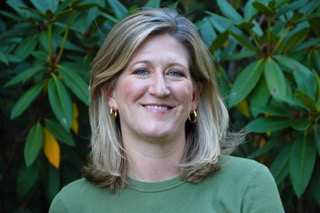
Today’s Guest Blogger, Lindsey Crittenden, muses about fiction and decides to take a risk.
A few weeks ago, early planning started for an upcoming fiction class during which I’ll be giving a talk: What Is Fiction? Yes, it’s a question both daunting and exhausted. Nothing I can say here that’s particularly new. And I’m wary of definitions that suggest fiction is any one thing. Escapism? Moral duty? Truer than truth? Totally amoral? A pack of lies? All of the above.
But the more I keep thinking, the more excited I get. Examples tumble out like toys from a cupboard, begging my attention—and they surprise me. I’ve taught fiction long enough to have the anthologized standards at the ready. You know, those classics with clear, dramatized change manifested in action or image: “Barn Burning,” “Araby,” “Roman Fever,” and, for a more contemporary example, a terrific Dagoberto Gilb story called “Uncle Rock.” Great examples, all. In most of those stories, there’s a character you can easily identify with, a character you can readily see yourself as. But the stories clamoring for my attention right now fall into another category.
Denis Johnson’s “Work” and Grace Paley’s “The Little Girl”; Flannery O’Connor’s “Everything that Rises Must Converge” and Tobias Wolff’s “Bullet in the Brain” feature liars and pimps and junkies and addicts, bigots and fools and snobs. People you’d want nothing to do with, in situations you’d pray to avoid. That’s exactly what makes the stories particularly useful, I think, in looking at love. Love, not like.
Many students who take the upcoming class are new to fiction writing, and to workshops. Because of this, their reactions often touch on how much they like, or relate to, the characters and situations.
“We just didn’t love Ed,” an editor told a friend of mine, by way of passing on my friend’s novel. Ed is a key character in the book, but not the main protagonist. He’s a bit of a jerk—self-absorbed, haughty, manipulative. Human, in other words. Flawed. Who among us isn’t? Who among us doesn’t love others who are? If love allows us to see the whole person, to glimpse the humanity in even the most despicable behavior, I can think of fewer better venues than fiction.
Yes, the insufferable book critic Anders, in “Bullet in the Brain,” and the tiresome Grandmother from “Everything That Rises Must Converge” do undergo change. Or, in the word used by Aristotle, metanoia—the same Greek word used by the writers of the Christian gospels to signal repentance, turnaround. The book critic and the grandmother pay an enormous price, but their completion brings grace.
As a fiction writer, I struggle with the tension between narratively earned resolution (to borrow from workshop-speak) and credibility. Hearing a reader say, “I just don’t believe this would happen” tells me something different than if she’d said, “I just don’t believe he would do this.” The second sends me back into the words, back into craft. The first sends me to a place beyond words, a place I don’t like visiting, as much as I need to.
A few months ago, a writer friend spoke of spending a week in her office thinking. Not writing, not even making notes—just thinking. I shuddered. I couldn’t imagine doing that. I need to feel productive, to feel constructive—and what better way than to keep tapping words on the keyboard? Stuck? Write some more! You’ll write your way out of it!
And often, I do. But other times I just create more words. My friend’s experience got me thinking. What if I did just what she’d spoken of? What if I sat in my office—okay, maybe not all week, but for a few hours—and didn’t write a word? It would be like sitting with someone in silence—not my favorite thing, either (unless I know the person very well). It would be like prayer, when I stop thinking and asking and worrying and start listening. It would be difficult and perhaps a bust. Or perhaps completely transformative. Or, most likely, something in the middle.
I might consider an ugly act, or a tawdry thought. I would need to stay open to such possibility, suspend my oh-so-eager judgment, take a risk. The kind that takes my breath away. The kind of love that earns the word. This week, as I work on an unlikeable character in my fiction, as I try to make her a full person if not a commendable one, I decide to try.
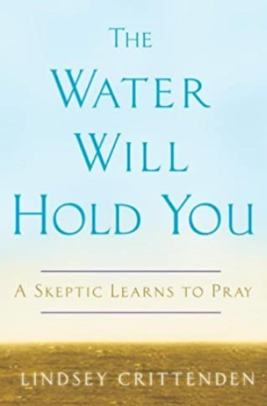
Lindsey Crittenden is the author of The View From Below: Stories and The Water Will Hold You, a memoir. Her essays have appeared in Cimarron Review, the Washington Post, the New York Times, Best American Spiritual Writing, Real Simple, and Image. Lindsey’s award-winning short fiction has been published in Mississippi Review, Cimarron Review, Glimmer Train, Quarterly West, and elsewhere. In November, 2019, her story “The Ruins” was performed onstage by Word for Word Theater Company as a winner in the “Exactly!” They Said celebration of California short fiction. Lindsey lives in San Francisco and is a member of the Writers Grotto.
Lindsey read “Ice Cube Moon” at her recent Writers Forum event.
Amazon link to Lindsey’s books
-
Talisman. Prompt #520
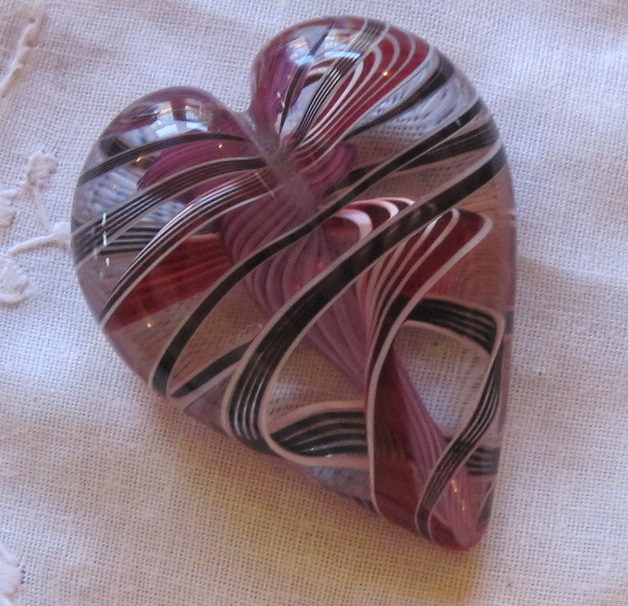
Do you have a talisman or a good luck charm?
If yes, write about that.
If no, what would you chose for a good luck charm?
-
Forgive. Prompt #519
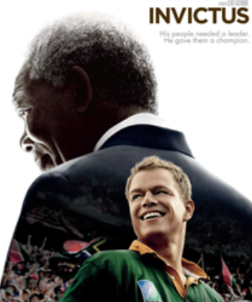
Invictus is a 2009 film starring Morgan Freeman and Matt Damon.
The story is based on the book Playing the Enemy: Nelson Mandela and the Game That Made a Nation about the events in South Africa during the 1995 Rugby World Cup.
After spending 27 years in prison, Nelson Mandela was released and elected as South Africa’s first black president, he preached reconciliation.
When he decided to support the country’s rugby team — long a symbol of white oppression — his countrymen were stunned.
“Forgiveness liberates the soul,” Mandela explains to a crowd. “That’s why it’s such a powerful weapon.”
Prompt: Forgiveness.
Write about the concept of forgiveness or absolution.
Write about someone you could forgive, or someone who might forgive you.
-
Travel. Prompt #518
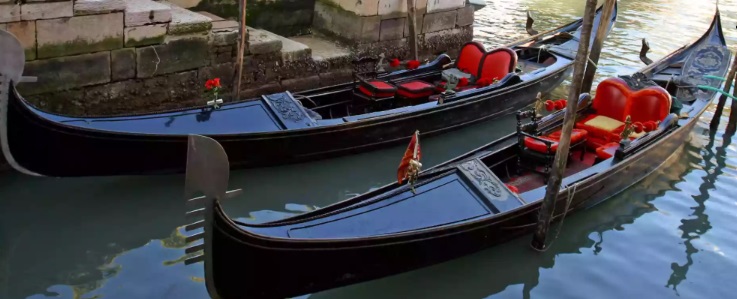
Write about the farthest you have traveled.
Or
Write about the time you were farthest from home.
Or
Tell about a time you missed your plane, train, bus, gondola, cab ride.
-
A house . . . Prompt #517
Write about a house you no longer go to.

Or a house you would like to visit.
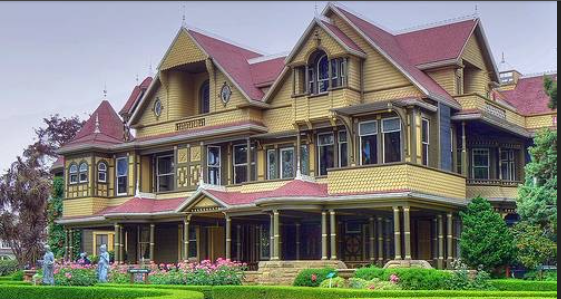

Or a house you will never again go to. Write about a house.

-
What does age have to do with it? Prompt #516
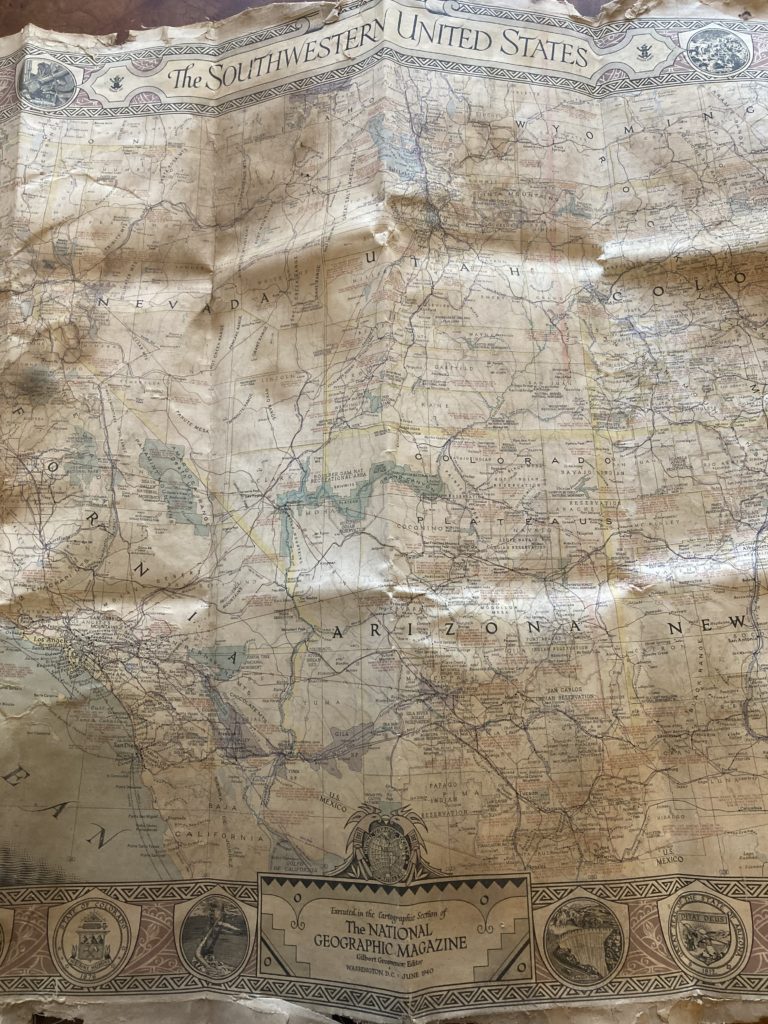
Now that you are of a “certain age,” you know a thing or two.
What do you know now that you didn’t used to know?
-
Suleika Jaouad and The Isolation Journals
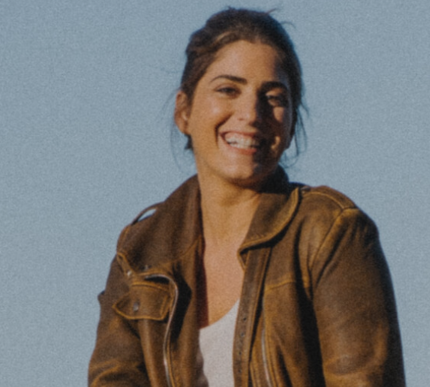
Guest Post by Suleika Jaouad, creator of The Isolation Journals.
The Isolation Journals was founded on the idea that life’s interruptions are invitations to deepen our creative practice.
Suileika:
When I started The Isolation Journals project, I had no idea so many would join me.
In late March 2020, I was quarantining in my parents’ attic, having left New York City as Covid-19 was surging. I was no stranger to isolation. For much of my twenties, I was in treatment for leukemia, unable to travel, eat out, see friends, even take a walk.
Now isolation was back—this time on a global scale.
The Isolation Journals is an artist-led community and publishing platform that cultivates creativity and fosters connection in challenging times.
We are in an unprecedented moment. This is one small way to stay grounded and hopeful to transform our isolation to connection.
Suleika’s August 2, 2020 Isolation Journals Post:
Today’s prompt is inspired by the relationship between movement and creativity. It’s something that artists and thinkers have observed for millennia. One of the earliest examples is the legend of Aristotle, who paced while he taught, and his students—called “the Peripatetics,” a word that means “to walk around”—followed suit. As Thoreau wrote in his journal, “Methinks that the moment my legs begin to move, my thoughts begin to flow.”
But what is new is scientific evidence to support the age-old phenomenon. In the last decade, studies have emerged showing that movement and thinking are symbiotic, and some neuroscientists theorize that the evolutionary process that allowed us to develop the ability to walk upright is the same one that helped us develop conscious cognition. It’s a fascinating idea, one with so many implications for the creative practice.
I’ll say one last thing before getting to the prompt—that we’re all different, with varying access to places to walk, with bodies that have different abilities and disabilities. Because of that, it’s natural that how we move will vary as widely as the writing that will follow it. Just find what works for you; as always, this practice is yours, so make it your own.Prompt 103. The Singular Glory of a Solo Walk In mid-March, I was working on a grueling last edit of my memoir Between Two Kingdoms. From early in the morning until late at night, I sat hunched over my computer in my parents’ attic, second-guessing every comma, re-thinking every word. I was panicking, sure it was a total disaster, and my quarantine roommate Carmen offered to read the entire manuscript out loud with me. Between the stress of the deadline and being so sedentary, our bodies ached. From time to time, we’d have to take a break—walking in the woods and stopping for a spontaneous snowball fight, or doing yoga there in the attic.
One afternoon, we were both in downward dog, and I said to Carmen, “I have an idea.” I rambled something vague about journal prompts and helping others complete a 100-day project. “Go write that down,” Carmen told me. “Now—before you forget it.” And I got up from the mat, and I did. I didn’t expect it would go anywhere, at least not immediately. But writing it down made the idea seem more real, and I kept mulling it over. Then as the number of cases of covid-19 rose, as cities and states and countries went into lockdown, that seed of an idea—one that had occurred in a moment when I was giving my mind a break—sprouted a week later into the Isolation Journals.
This isn’t a one-off. When I’m stuck and can’t work something out on the page, or when my head is too full of chatter, I’ve learned to get out of my mind and into my body. I go for a walk, and as I move and fall into a rhythm, the chatter quiets. Whatever knots my thoughts are in begin to loosen.
It happened just yesterday. Over the weekend, Jon and I moved to an artist’s residency, to a house near a river with miles and miles of walking paths. I’ve been sick—last week I tested positive for Lyme disease, which has made my joints swollen, my movements slow and labored. But yesterday morning, I felt good enough to take a walk, and on a long gentle amble, I began to get an idea of what I want to write next. Right now, I’m just seeing little glimpses, like glints of sunlight on the river, but it feels good to be inspired again. As I settle into our new digs, I’m setting a new intention to take a quiet, solitary morning walk before I write. I trust that soon enough, the seed of this next idea will begin to sprout.
Your prompt for the week:
Begin with a movement that roots you in your body. Maybe take a walk outside, or dance around your house, or take deep breaths and blow each exhale through loose horse lips—whatever will get you out of your head. Capture what springs to mind using the voice recording app on your phone or by jotting quick notes. Do this for as long as you’d like.
Next, write in your journal about what came up. You can elaborate on the thoughts and ideas you had, or you can get meta, reflecting on how movement carried you into a new contemplative space.Suleika Jaouad is an Emmy Award–winning writer, speaker, cancer survivor & author of the forthcoming memoir, Between Two Kingdoms.
She is the creator of The Isolation Journals, a global movement cultivating community and creativity during hard times.
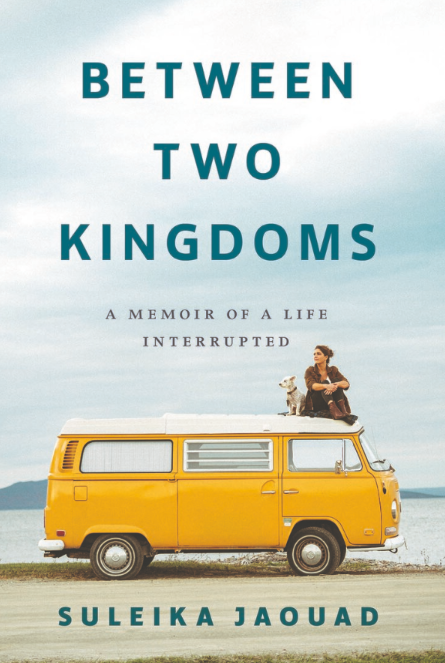
You can pre-order her book, due to be released February 2021, Between Two Kingdoms, A Memory of A Life Interrupted.
Suleika’s humorous, informative, meaning-full Ted Talk.
“The hardest part of my cancer experience began once the cancer was gone,” says author Suleika Jaouad. In this fierce, funny, wisdom-packed talk, she challenges us to think beyond the divide between “sick” and “well,” asking: How do you begin again and find meaning after life is interrupted?” — Official TED Conference, 2019
-
The last piece of the puzzle. Prompt #515
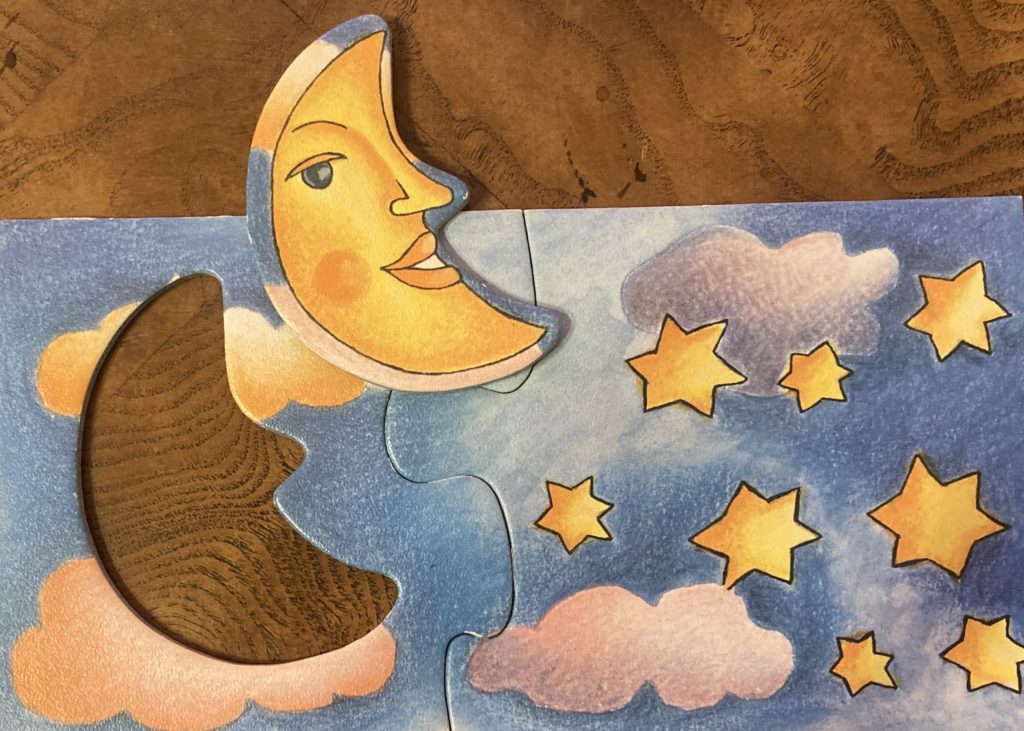
Writing prompt: The last piece of the puzzle.
You know what to do . . . Just write!