Write about a pet peeve.
Write about a pet peeve.

Birdland Journal offers a home for fiction, flash fiction, poetry, and creative non-fiction from established and emerging writers.
The theme for this issue is “A Matter of Character.” Take this where you want to. Besides a character in a story, how about considering the character of a people or place? Take character out of the box. It might be a person, or an animal or an inanimate object.
Deadline: April 15, 2019
Open to Northern California residents only.
Previously published material not accepted, including publication in any venue: print, web, and personal blogs.
There are many articles and books about point of view. The following is an excerpt from a talk given by author Jim Dodge.
Narrator – Who tells the story.
The most used pov: First person and third person.
There are three types of first person point of view.
First person direct.
First person indirect.
First person objective.
First person direct: Protagonist carries conflict and is usually involved.
Direct – “it happened to me.”
When narrator carries conflict = direct perception.
This is the most difficult point of view to work with – has to be compelling voice to hold readers’ interest.
If you can pull it off, it’s powerful.
Stories move in time and space.
Problems with first person point of view: person has to be “everywhere” to get information.
First person indirect: Reflective, or indirect: narrator does not carry conflict. Narrator is a character and in a relationship with the protagonist.
Problem with this pov is that you can’t report what happened unless narrator was there.
Examples: Herman Melville’s Moby Dick – you would have to be in the boat to tell the story.
One Flew Over the Cuckoo’s Nest – you would have to be in the insane asylum
Arthur Conan Doyle’s Sherlock Holmes series uses the buddy pov narration for these detective stories.
Setting plays in it.
In this pov, the narrator and protagonist are joined at the hip, a close friendship.
The point view is not from the main character.
The idea is that “someone else could tell the story.”
For example, Watson tells Sherlock Holmes’ story.
Split point of view – Two or more narrators. They can tell the story from their point of view in a strict rotation, in a sequence, or randomly.
First person objective: The third type of first person pov is detached and tells the story like a transcript of the events that happened. The narrator never discloses anything about what the characters think or feel, remaining a detached observer.
The Laughing Man by J.D. Salinger tells the story from an unnamed narrator.
Second person point of view: You. Rarely used, common in poetry.
Third person pov: He/she/it/they.
It’s easy to move in space and time to tell the story when using third person. This is the most flexible point of view.
Omniscient narrator: Has attributes of God. Omnipotent: all powerful, present everywhere. Knows anything and everything about characters.
Omniscient narrator has full access to any character at any time (past, present, future).
Omniscient narrator can comment on what characters are doing and on their patterns of behavior, movement, thoughts.
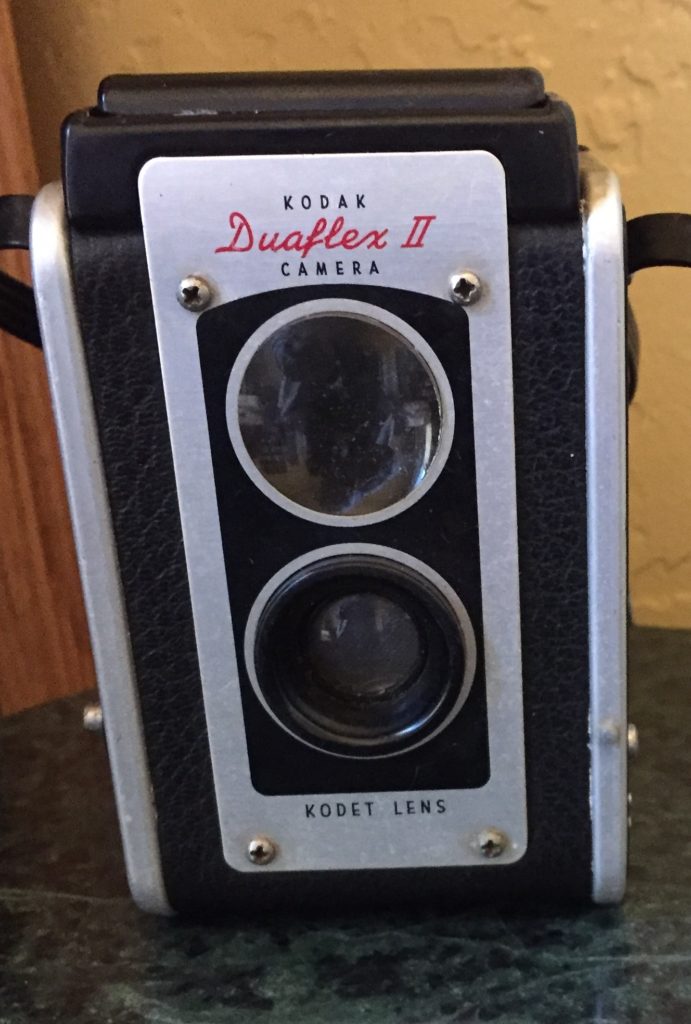
Your turn: Decide on a subject and write from an objective point of view. Describe the scene as a camera would record it. Write what the camera lens sees and hears (if it’s a video camera, or a phone recording). Describe the scene like a screenplay. You can’t write what the characters are thinking (the camera can’t see or hear this).
You can show the characters’ emotions with body language and physical gestures (what can be seen) and with dialogue (what can be heard).
Need a topic to write about? Choose one of the prompts on The Write Spot Blog.

The editors of Natural Bridge invite submissions of poetry, fiction, personal essays, translations, and art.
From the Natural Bridge submission page:
Because we are tied to the academic calendar, we will not read between May 1 and August 1.
Submit through Submittable
There is a $3.00 charge for non-subscribers to submit. This is not a reading fee, but helps maintain the submission service and website. This fee is waived for current subscribers.
We will continue to accept submissions free of charge through snail mail.
Submissions sent by email will not be read.
A few Guidelines.
We do not accept previously published work. This includes self-publication and work that appears online.
Poetry submissions should be limited to one manuscript of up to six poems at one time. Poems should include the author’s contact information on every page, be clearly titled, and be paginated if longer than one page.
Prose submissions should be limited to one story or essay at a time. Subsequent pages should be numbered and include the author’s name.
We are currently interested in art in JPEG format. Submit up to 5 pieces for consideration. Most of our art is printed in black and white at this time.
Please submit to only one genre at a time.
As with most literary journals, it is recommended that you view a copy of Natural Bridge before submitting.
Upon publication, the author will receive two copies of the issue with his or her work and a one year subscription as payment.

If, for one month, you could live anywhere, any place, in a certain residence, or in a famous home, where would you pick? You can time travel into the past or future.
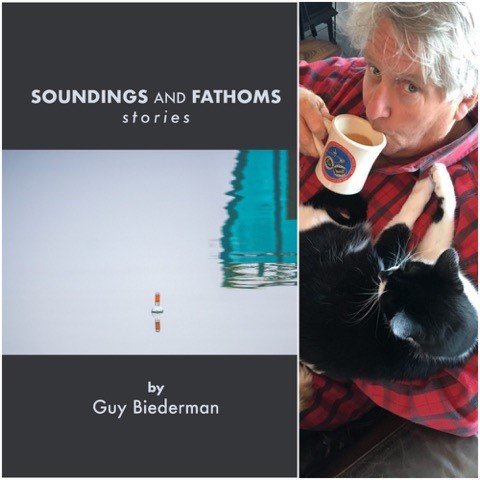
Today’s post is by guest blogger, Guy Biederman
For years I wrote without sending my work out for publication. Publishing, and rejection, seemed rather beside the point. I wrote because I was a writer. Felt the pull, found the chair. Occasionally I’d send out a story. Some were published. I won a few contests. But mostly I was content with writing and teaching. I created a literary magazine, Bust Out Stories, and published books by others. One student called me a story midwife.
Two years ago, for whatever reason, I decided it was time to send out my work in earnest. I created a stable of revised stories and poems that felt ready to go and began to research and read — a lot. It was fun. I embarked on my own maniacal sending binge, sending out work every day, or at least several times a week.
Since then I’ve had over 500 rejections. I live for rejections. It means I’m sending. I’ve also had 60 acceptances, published a book, received invitations to be a featured reader, and in April, I’ll be hosting The Floating Word, on commercial-free Radio Sausalito.
I share my research with friends and they share with me. I believe in three essential ingredients—inspiration, deadlines, and a place to send the work. It was important to shift and change the narrative of this process.
Instead of submitting, I send. Instead of rejections, I’m declined. I record where, when, and what I send, and of course, the results. I record quality declines if I’m given feedback, especially from those who invite me to try them again. And when accepted, I write Yes! next to that entry in Zapfino font, just to party a little.
When someone declines my work, I send ’em two more. Unexpected pleasures have included correspondences and email friendships I’ve developed with publishers and editors. They’re writers, too. They appreciate being acknowledged and respected. They appreciate when I buy their magazines and chapbooks and let them know what I like about their books. They appreciate knowing I’m not scatter-shot sending, but sending with care and purpose.
I’ve had impersonal responses, funny responses, encouraging responses with suggestions that eventually led to that same story being accepted by another journal. Once I had a story declined that I hadn’t even sent. It was like they had peeked into my files and said, ‘Don’t even think about sending us that one, dude, don’t even write it.’
Of course I sent it elsewhere.
To paraphrase Goethe, as soon as we begin, we put ourselves into the flow and things start to happen. Little steps lead to big. It’s a numbers game. Send send send.
If you send out a hundred times, with care and purpose, you’re going to receive some acceptances. Attend open mics. Listen to new voices, lend your own.
You’ll meet people. Venn diagram relationships will form. Recently after a reading, I was handed a flyer and invited to send my work to a journal. I did. They accepted a story and a poem.
Last week a friend forwarded me the link to an online magazine. According to the guidelines (editors are grateful when writers read and follow them!), submissions were closed. I liked the magazine, made a small donation, expressed my admiration, and inquired about the next open submission period. That editor emailed back, thanking me. She had found my stories online, asked if I could send some work her way. I did. She accepted three.
This is what happens when you send your work out and it starts getting published. You develop a presence online. People from all over the world find you, read your work and get in touch. My stories and poems have appeared in New Zealand and England, as well as in the U.S.
I still love print magazines, too. Some publications have both. It’s not either/or, but and/or when it comes to publishing.
One of my concerns with this new practice was that it might adversely affect my writing and/or my teaching. It hasn’t. I still write at the same pace and my new work is being accepted. I may even be a better writer than before. I still teach. In fact, I now have an offering called Send It! for those who want to send their work out but desire some tools.
One thing leads to another. Work appears in print and online. Friends are made. Poems and stories enter your world and change your life. For me, it started with the decision to send my work out. I shifted. I changed the way I looked at rejection and developed momentum. Now when I’m asked to share my experience and discoveries, I distill my advice to two simple words: Send It!
The Write Spot Blog has a list of places to submit your writing.
Guy’s work has appeared in many journals including Carve, Flashback Fiction, Exposition Review, The Sea Letter, and The Write Spot: Reflections.
Guy’s collection of short work, Soundings & Fathoms, was published last fall by Finishing Line Press.
Pretty Owl nominated his flash fiction for Best of The Net 2018.
His book can be purchased from Finishing Line Press and on Amazon.
For a signed copy of Soundings & Fathoms, email Guy at Guyb-at-sonic.net
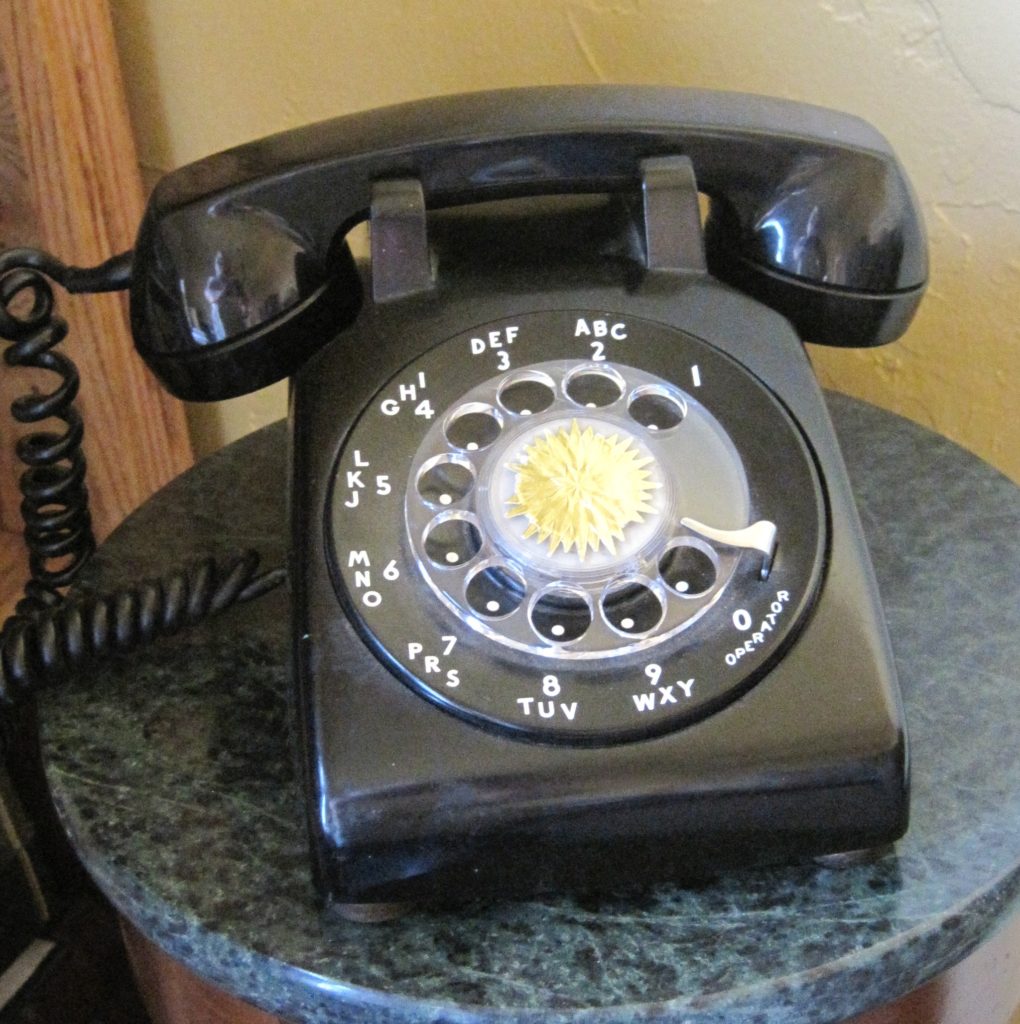
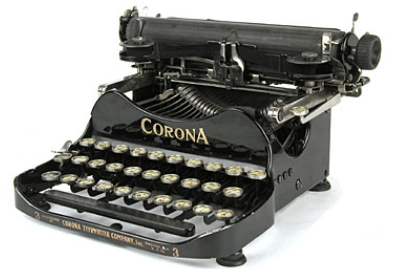
Writing Prompt: Today I saw . . .
You can write about what you saw today.
Start writing and see what happens.
Write freely and with no cares about the outcome. Just write!

You have just been notified that you have won a prize on the level of a gold medal at the Olympics, or a Grammy, or an Academy Award, or a Pulitzer Prize.
Write about a special skill you have and how you won an award for that.
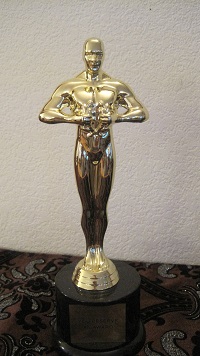
Let your imagination soar. What have you won a prize for?
What is your reaction?
Write your acceptance speech.