Tag: Anne R. Allen

  • Writing contests. Yay or Nay?

    If you are thinking of entering writing contests, it’s important to research to determine if a contest is legitimate and reputable.

    But, how to find reputable contests?

    Go to trusted sources.

    Research websites, blogs, and social media by people you know and trust.

    Anne R. Allen, a trusted source, blogs about writing:

     “Writing Contests are Important: How To Tell the Good Ones from the Scams

     “Beware Bogus Writing Contests! Look for These 8 Red Flags.

    C. Hope Clark’s  Funds for Writers newsletter is a great source for announcements of vetted contests, and a handbook of writing contests.

    Writer Beware, the publishing industry watchdog group.

    If entering contests is in your writing budget, here’s something to consider:

    B. Lynn Goodwin, founder of Writer Advice: posted:

    “Too often writers submit to agents and editors without having any credentials, but winning a writing competition—especially a well-known one—gives you immediate credibility and something to add to your writing resume.”  —Brian Klems, writer, speaker, freelance editor, husband, softball player, perennial fantasy sports underachiever, Huffington Post contributor

    Reputable Resources for contests:

    The Redwood Branch of The California Writers Club hosts several contests a year.

    The current contest, the 2022 Poetry Anthology deadline is soon . . .

    November 15, 2021 at 9 pm (PST)

    Reedsy, online author services in the self-publishing industry, posts contest information.

    Post your writing contest experience on my Writers Forum Facebook Page, under this post.

    #amwriting #justwrite #writingcontests

  • This or that. Just do it!

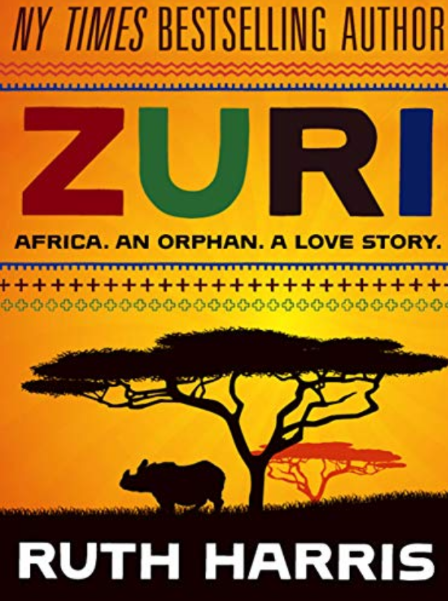
    Guest Blogger Ruth Harris writes about the realities of trying to write while sheltered in place.

    You might have thought because you’re staying at home that you’d have more free time to start/finish a book or take an on-line yoga class. But in reality, because we’re all spending so much time at home, much of that time is consumed by eating which means food prep and cooking (which means there’s a kitchen to clean and dishes to be washed), bathrooms to be cleaned and tidied plus, of course, more toilet paper to be purchased (if we can even scrounge up a few rolls somewhere), laundry duty, garbage and trash removal, dusting, vacuuming and, of course, sanitizing.

    As one day melts seamlessly into the next, and we can’t tell Sunday from Tuesday, weekdays from weekends.

    Our moods whiplash between “This sucks” and “It could be worse.”

    We’re bored, anxious, and tired. We’re having trouble sleeping and concentrating. Much less writing.

    “A lot of us are mentally exhausted, because the energy it takes to mentally manage everything that’s happening is very draining,” says Vaile Wright, director of clinical research and quality for the American Psychological Association. “The habits we’ve worked to develop over time to keep us healthy and productive can fall by the wayside.”

    It’s not just you.

    Feeling overwhelmed by an Everest of laundry or frustrated by a cranky TV remote even as we are bombarded by relentless reports of death and disease, does not contribute to creativity.

    Instead of fighting what can feel like an unwinnable battle with the lack of inspiration, let’s consider what we can do that does not take the same level of intense concentration as writing.

    Why not take advantage of these strange days to focus on ways we can improve our skills or acquire new ones?

    1. Author Platform Care And Maintenance.

    Use this Covid-19 pause to reconsider and refresh the elements of your author platform.

    2. Better Blurbs For Better Living.

    Are your (book) blurbs OK?

    As we’ve been told over and over, the cover is the first thing that grabs the reader’s attention. The cover tells him/her what kind of book s/he is looking at: romance (sweet or steamy), women’s fiction, mystery, thriller, horror, sci-fi.

    The blurb (also known as the sales pitch, cover copy, or on Amazon, the “product description”) is the second.

    But once you grabbed/seduced/lured the reader, then what?

    Then you have to make the sale—and that’s where the blurb comes in.

    At a time when you’re finding it difficult to write, refreshing an existing blurb can be a productive use of your time, a satisfying outlet for your creativity and an opportunity to increase your sales.

    3. M Is For Metadata.

    Review your categories.

    David Gaughran tells us that “KDP is now explicitly stating that we are permitted TEN categories for each of our books.”

    If you haven’t already signed up for DG’s newsletter—he keeps a sharp eye on publishing and is generous about sharing info—now would be a good time.

    Revisit your keywords.

    Out with the old. In with the new—and more relevant.

    Dave Chesson’s Publisher Rocket does the tedious work of searching for keywords (and does ditto for categories) that will help make your book more visible to browses and readers.

    4. Brainstorm for Brilliance.

    When you can’t write, maybe you can brainstorm, which is, after all, the fun part. When you let loose, when you forget about sparkling prose, passive verbs and adverb infestation, who knows what brilliant thoughts are just lurking in your subconscious, waiting to be unleashed?

    5. Liberate Your Inner Artist.

    If your sales—and income—have been hit by Covid, DIY art and graphics are more appealing than ever. Learning your way around on-line art sites can be fun that yields practical results.

    Maybe you’d like to try making a cover even though you’re not a designer.

    Perhaps you could jazz up your blog, Instagram feed, or FaceBook page with a new banner.

    Or refresh your ads, create a new business card or bookmark.

    6. Orphaned Books. You Know, The Kind That Don’t Spark Joy.

    If you’re stuck at home, but, like so many of us, the words won’t come and you can’t write, perhaps this period of enforced down time is ideal for you to revisit unfinished and abandoned books. Maybe the solutions to the problems that once stopped you in frustration, will become apparent now that some time has passed.

    Plot holes—they’re not forever.

    Janet Evanovich’s simple method of not-exactly-outlining might help you figure out where you’ve gone wrong and how to go forward.

    7. Strengthen Your Characters.

    If the plot’s OK, but the characters are wooden (or maybe plastic—and you’re not writing sci-fi), now might be the right time to pay them a visit and give them a pulse.

    Here are 8 suggestions about how to create a memorable character.

    8. Embrace That Crappy First Draft.

    Typos.

    Clichés.

    Passive verbs.

    Banal descriptions.

    Lapses in logic.

    Adverbs!

    We’ve all committed these sins (and more because we’re creative), but, because we take our work and our readers seriously, we don’t give up.

    Henry Guinness at the NYT calls himself “a big fan of awful first drafts” and shares a useful trick about how to use that embarrassing first draft to move toward a finished product you can be proud of.

    9. Learn to Self-Edit.

    Harry Guinness goes on to explain: “The secret to good writing is good editing.”

    As a long-time editor, I would go even further and say that good editing is (almost) everything. Obviously, you have to get the words down first, but, after that, multiple rounds of editing will help you clarify your thinking and lead to a polished work in a way that can seem (almost) magic.

    Another plus is that several rounds of self-editing before you unleash your work on the public or on your editor will save you one-star reviews and your editor time. Which will consequently will save you money.

    10. How to Feel like a Real Writer.

    If none of these ideas appeal to you or if you’re just feeling generally blah, why not do what real writers do?

    Procrastinate. 🙂

    Excerpted from Anne R. Allen’s Blog… with Ruth Harris by Ruth Harris.(@RuthHarrisBooks) April 26, 2020

    Click here to read the entire blog post, which is chock full of gems.

    Ruth Harris is a New York Times and Amazon bestselling author and a Romantic Times award winner. Ruth’s emotional, entertaining fiction has topped Amazon’s prestigious Movers and Shakers list and her highly praised novels have sold millions of copies in hard cover, paperback and ebook editions, been translated into 19 languages, sold in 30 countries, and were prominent selections of leading book clubs including the Literary Guild and the Book Of The Month Club. In their e-book editions, Ruth’s novels have been featured on Ereader News Today, Pixel of Ink and Kindle Nation Daily.

    Ruth writes about strong, savvy, witty women who struggle to succeed and, when sometimes they don’t get what they want, they find something even better along the way. Critics have compared Ruth to Nora Ephron and Joan Didion and called her books “brilliant,” “steamy,” “stylishly written,” ”richly plotted,” “first-class entertainment” and “a sure thing.”

  • Anne R. Allen & Indie Publishing

    The following is an excerpt from Anne R. Allen’s December 22, 2019 blog post. You, too, can be an indie-author. It helps to be informed with willingness to do the work.

    From Anne:

    In a few days we’ll be leaving the twenty-teens to enter the 2020s. We’ll be saying goodbye to a decade of wild upheaval in the publishing industry.

    It’s been quite a ride.

    On January 5th, [we hosted] agent Laurie McLean from Fuse Literary Agency, for her annual “Crystal Ball” predictions for publishing in 2020.

    But today I’m thinking about the decade that’s passing, and how it disrupted and radically changed the way authors approach publication.

    A lot of us got to behave like teens—experimenting with radical publishing ideas and trying on lots of new writing venues for size.

    Amazon’s Kindle had the right name. It fired up the writing community in a major way. Self-publishing became a viable, lucrative alternative to the soul-crushing process of breaking into traditional publishing.

    But now things are changing again. Sales of Kindles and other ereaders are way down. A lot of indie authors have disappeared.

    Is the Self-Publishing Revolution Over?

    Experts agree the “Kindle gold rush” is history.

    But self-publishing is still here.

    However, it has gone through drastic changes since 2010.

    In the early days, there weren’t many ebooks for Amazon to sell to their newly-minted Kindle owners. So they encouraged writers to publish their own work through their new “Kindle Direct Publishing” (KDP.)

    But then Amazon started its own publishing imprints like Montlake, Thomas and Mercer, Lake Union, etc. They wanted to market their own publishing companies.

    Then came Kindle Unlimited, the book service that allows unlimited reads per month for a flat fee.

    Indie incomes went down a lot more.

    A swarm of scammers, plagiarizers, and crooks learned to game the KU system and top the charts with stuffed, fake, and stolen books.

    Real indies lost out.

    Readers left Facebook’s privacy-invading machine. And new algorithms no longer let as many readers see our author pages.

    Indie incomes went down a bit more.

    E-books were the bread and butter of the self-publishing revolution, but as people started reading more on glaring tablets and phones, they rediscovered paper books.

    Big tech, which had once seemed so friendly to indie authors, became a minefield.

    But the Self-Publishing Revolution Didn’t Die

    It’s true that indie sales are more modest than they were mid-decade, and you’re not hearing about any new “Kindle Millionaires.”  

    But a lot of indies are still thriving.

    Many romance, mystery, and thriller writers who joined the self-publishing revolution are now making a good deal more than their trad-pubbed counterparts.

    Others are happily plugging along, not making a big income, but enjoying writing as a second job or hobby.

    Self-publishing is still an excellent way to publish. But it’s not the same as it was in 2010.

    Indies now need to have the training and capital to turn out a top-notch product and advertise it. They also have to be willing to learn the ropes of online marketing and put in the time with social media to build a following. They need to allot the time to put out a blog or newsletter.

    Self-publishing allows you to control your career. You’re not dealing with agents or editors who might ghost you, get fired, rope you into predatory contracts, or lose their marbles. (The majority of agents are honest and hardworking, but their incomes are falling with decreasing advances, and many simply can’t make ends meet without a second job.)

    My Advice

    Don’t choose self-publishing as the “easy” way to a writing career in the new decade. Choose it because you have an entrepreneurial spirit, enjoy social media and online marketing, and have the time to commit to running a business.

    Should You Plan to Self-Publish in the Next Decade?

    Only you know that. Do you write fast? Write in a popular genre? Have good marketing skills? Enjoy social media? Do you blog? Are you okay knowing you won’t be nominated for a prestigious book prize or get a review in The New Yorker?

    A “yes” to most of those questions would make you an excellent candidate. The only other big thing you’ll need is luck.

    So good luck to you. The 2020s may be the time your career soars!

    Click here for Anne’s full blog post with almost 100 comments.

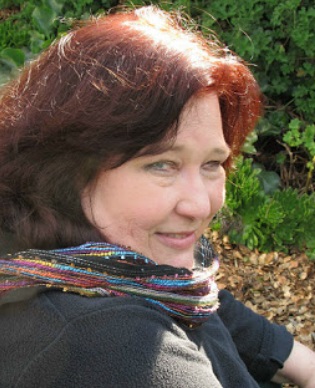
    About Anne R. Allen

    My books are mostly romantic-comedy/mysteries. Maybe a little more comic than romantic. Since two of my favorite writers are Dorothy Parker and Dorothy L. Sayers, I guess it makes sense that I ended up writing a mash-up of the two “Dorothy” styles. Ruth Harris calls it “Chick Lit Noir.”

    I’ve been in the writing business long enough to have collected a pretty full set of mistakes. I blog in hopes of helping some of the new writers out there make better choices.

    In a former life I was an actress, bookseller, and the former artistic director of the Patio Playhouse in Escondido, CA. I last appeared in A Comedy of Errors at the Pacific Conservatory of the Performing Arts. I grew up in New England (Waterville, ME and various college towns in CT) graduated from Bryn Mawr College, and spent some time doing the hippie vagabond thing in several continents. Even got married once. All excellent adventures.

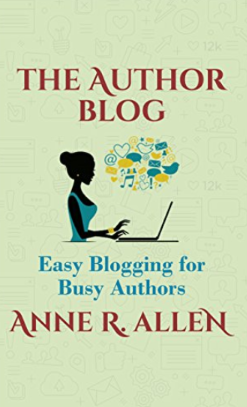
    I’m the author of 10 comic mysteries and a collection of short stories and poems. I’m also the co-author of a guidebook for writers, written with Amazon superstar Catherine Ryan Hyde, and I’ve written a new guidebook for author-bloggers: The Author Blog: Easy Blogging for Busy Authors.

    All my book-length works are detailed on my book page.

  • Commenting on Blogs. Good idea?

    Anne R. Allen’s post about commenting on blogs elicited 100 comments!

    Anne writes about commenting on blogs to build your author’s platform:

    I’ve seen a steep decline in the number of people commenting on blogs over the past few years. I’m not sure why that is. But commenting on blogs is still an easy, painless way to get your name into search engines and build an “author platform.”

    I realize I’m partly preaching to the choir here. We have wonderful commenters on this blog. But I see a lot of great blogs devoid of comments these days.

    And there are lots of people who seem to prefer to respond to the link to a blogpost on Facebook or Twitter rather than on the actual post.

    Unfortunately, sometimes they haven’t read the post, but are responding to the header, which isn’t a good idea. That’s a good way to look like a doofus, especially if the blogger’s title is ironic or it’s a question that’s answered in the post.

    But a thoughtful comment on a high-traffic blog is a smart way to get your name in the public eye. And it’s easy.

    Commenting on Blogs is a Powerful Tool.

    First of all, commenting on blogs that are already on Google’s radar will help get your name onto that valuable Google SERP (Search Engine Results Page.)

    A comment on our blog can put your name in front of 20,000+ people in a week. It could take a long time to reach that many people with a brand new blog or a social media account. Most of my early mentions on Google came from commenting on other writers’ blogs. It’s also how I started networking in the writing community.

    Also, discussions on high-profile blogs can lead to discussions on your own blog or social media. If you find yourself making a long comment—that’s your next post on your own blog or Facebook author page. Invite people over to discuss it further.  Or support somebody’s argument on a blog and you’ve made a blog friend. That’s how I got my first followers.

    But I’m not just talking about writing blogs like ours. A comment on any blog that interests you—and your potential readership—will work.

    Plus interacting on blogs is a great way to make friends. In the end, that’s what a platform really is: how many people feel they “know” you well enough to want to buy one of your books.

    In fact, my blog first took off because I commented a lot on Nathan Bransford’s blog, and that won me a guest blogging spot.

    But I know writers new to the world of social media and blogging have lots of reasons for not commenting. I hear them a lot.

    “I can’t even find the comments!”

    A lot of older writers find the whole concept of blogging weird and unfathomable. I remember being frustrated when I first started.

    Sometimes I’d find comments, and sometimes I wouldn’t. Sometimes I’d land on one post with a thread of comments after it, but sometimes I’d get a whole string of posts with nothing but a thingy at the end saying “37 comments”.

    Here’s the little trick “everybody knows” so they don’t bother to tell you—

    Click on the “37 comments” (or whatever number) and that will open the post in a new page where all the comments appear at the end of the post. Some blog formats make you hunt around in the sidebar for the “comments” link, but it’s there. Keep looking.

    Some blogs, like ours, will allow you to reply to a particular comment if you hit the “reply” button under that comment.

    Or you can leave a general comment if you hit “Leave a Comment” at the bottom of the whole thread. (On some WordPress and Weebly blogs the comment button is at the top of the thread.)

    “I prefer to send the blogger a DM or email.”

    Sure. That’s fine. Email marketing is the big thing these days. Sometimes a blogger or well-known author will have time to give you a personal answer. I try to answer all our readers’ emails, even though I sometimes confront so many emails in the morning that I want to go back to bed and cry.

    But my e-mailed answer is no more personal than my answer in a comment thread, and nobody will see it but you and me.

    Every week, people send me personal emails saying they liked a post from me or Ruth or one of our guests, and of course we appreciate it. We always like to hear that people are benefiting from our posts.

    But many writers mention their own books and pitch them to me.

    So let’s stop a minute and think about this: what’s better for you, the author?

    1) Getting your book title in front of me, the world’s slowest reader, who has over 500 unread books in my TBR list, and probably doesn’t read your genre?

    2) Getting your book title in front of the thousands of people who read our blog?

    Are you seeing why it’s better to put your feedback (and name) into a comment?

    Plus, if you have a question, you can be pretty sure other readers have it too. If I answer in the comments, rather than in a personal email, that’s helping all our readers, not just you.

    “I can’t figure out how to post a comment.”  

    Okay: this is a biggie. Tech can be daunting. Nobody likes to be rejected, especially by some stupid machine. If you don’t have a blog or website of your own, sometimes a blog won’t accept your comment.

    Or if you have a blog on the Blogger platform, you may not be allowed to comment on other Blogger blogs. Blogger has been developing lots of glitches lately that they have no desire to fix. That has happened to Ruth. She has a Blogger book blog and that means she can’t comment on my Blogger book blog. (Go figure.) Blogger may also not let you respond to comments on your own blog. That happened to audiobook narrator C.S. Perryess, who had to move his Wordmonger blog to Weebly, since Blogger has no tech support.

    A solution to all this is sign up for Gravatar. That’s a “Globally Recognized Avatar” and ID. It’s owned by Automattic, the parent company of WordPress, but you don’t need a WordPress blog to sign up. In fact, signing up will automatically give you a WordPress ID.

    “I have no idea what to say.”

    I understand. Writers are shy persons. I lurked for about a year before I started commenting on blogs. Do lurk for a while if you’re just starting in the blogosphere.

    But eventually you’ll feel moved to say something.

    Most bloggers will put some questions at the bottom of the post to invite comments. Good questions will invite you to share your own opinions or experiences with the topic.

    Read the comments. You may want to respond to one of them. That’s a good place to start.

    You don’t have to heap praise on the blogger. Bloggers like praise as much as anybody, but it’s best to say something that adds to the discussion and shows something about yourself and your work.

    Don’t be confrontational or put the blogger down, either. (That’s a good way to get deleted.) But say something like, “Love these 3 tips for getting your cat to eat dry food, and I’d like to add #4…”

    Or, “I understand what you’re saying about only blogging nonfiction …but I blog daily cat haikus, and I have 400 followers who love them.”  You can even include a link to the blog. One link is usually acceptable in a blog comment.

    You can even say something like, “I’m glad you say it’s okay to be a slow writer. It took me ten years to write Love is a Cat from Hell, but I finally launched it last week.”

    Don’t put in a link to your retail buy page—you’ll be blocked for spam—but a mention of your book and a single link to your website is fine.

    Blog Comments That Get Results.

    The most useful comments add something to your “authority.” So if you can say stuff like, “I was in law enforcement for twenty years and this is what really happens when somebody reports a missing cat…”  Or “I’m a health practitioner who also writes cat haiku…”

    Then that little fragment of text will come up in a search of your name. It will show your name and “I was in law enforcement for 20 years…” or “I’m a health practitioner…”

    This is a huge help to agents, reviewers, and other people who are trying to find out if you’re a reliable person they want to work with.

    You can also say something like, “I love what ScribblerSally said about Maine Coon cats in her comment.”

    Then ScribblerSally might click on your name to find out about you and your cat. If you’ve joined Gravatar, that will take her to a profile with an address for your blog and an email address.

    Then Sally may follow your blog or even buy your book.

    Guidelines for Blog Comments

    A good blog comment can be anything from 10 to 300 words. If you feel the need to go longer, you probably have a blogpost of your own there. (Write it down and save it!)

    Other than that, almost anything goes in a blog comment, with a few caveats:

    1) Skip the spam.

    Don’t talk up your book or blog in a comment unless it’s relevant to the conversation. That’s considered spamming:

    “I respect your opinion on prologues, but I’ve got testimonials from readers who love prologues—the longer the better—over at my blog today” is great.

    “This discussion of Marcel Proust reminds me of my book, Fangs for the Memories, a zombipocolyptic vampire erotic romance, $3.99 at Smashwords.” Not so much.

    Ditto links to your website or buy pages if they don’t illustrate a relevant point. If you have more than one link in a post, spambots will dump you into spam.

    2) Don’t drink and post.

    Seriously.  DON’T WRITE ANYTHING ON THE INTERNET WHEN YOU’RE DRUNK OR HIGH. Authors should not go online when impaired. Unless your persona is “rude, moronic lout” don’t drink and post. You could erase years of work building that platform with one idiotic comment. That’s a rule I follow myself. If I have wine with dinner, I don’t go on social media in the evening.

    Be professional and polite. And do make sure your brain is in gear.

    3) Read the whole post.

    We get so many comments from people who have only read the headers, that I wonder if half the people online are reading-impaired. It only makes you look like a moron when you tell the blogger, “you should have said this, that and the other thing” …when they said exactly those things in the second paragraph.

    4) Read other comments.

    Be aware of what other people are saying so you don’t repeat what somebody else has said. Comments are meant for discussion, so remember you’re talking to everybody who’s reading and commenting, not just the host blogger.

    5) No emotional blackmail.

    Don’t say, “I just followed this blog, so now you have to follow my five blogs, like my Facebook page, follow me on Twitter and get me a double decaf latte while you pick up my dry cleaning.”  If you demand any kind of quid pro quo for a comment you’ll look like a jerk to the whole community. As I’m saying here: the comment benefits YOU more than the blogger.

    6) Don’t whine or throw shade.

    Dissing Amazon, agents, the publishing business, or trash-talking a bestselling author will not work in your favor. Ditto complaining about how nobody buys your book.

    If you want to unload about what a crazy, unfair, insane business this is, get that bottle of wine and invite over a couple of friends. Kvetch all you want. You’re not wrong. This business is a roller coaster, as Ruth told us last week.

    Click here to read the comments on Anne R. Allen’s Blog . . . with Ruth Harris.

    Note from Marlene: You may notice I don’t have a place for comments on my blog. I used to, but sadly received too much spam. It got filtered (comments didn’t get posted, but I had to go through and delete each one = too time consuming).

    Anne’s book:

    The Author Blog: Easy Blogging for Busy Authors: Named one of the “99 BEST BLOGGING BOOK OF ALL TIME”

    And an Amazon #1 Bestseller

    $9.99 in paperback at Amazon and Barnes and Noble

    And the ebook is only $2.99.

  • Bookstagrammers & Influeners

    Hello from Marlene, host of The Write Spot Blog,

    I originally read the post below by Julie Valerie on Anne R. Allen’s Blog with Ruth Harris.

    Today’s guest blog post is longer than my usual posts. Take it in small bites. There is a lot of content here. All good stuff.

    I learned so much I didn’t know about things such as bookstagrammers and influencers (the book kind).

    Guest Blogger Julie Valerie:

    From Book Blog to Book Deal

    Julie asks: Does a book blog still land a book deal?

    Of course they do. Great writing and great content will always find an audience, and where there’s an audience, especially a sizable one, there’s typically a book deal waiting to happen. Think Julie Powell, Candice Bushnell, Jen Lancaster, and Jenny Lawson.

    Not to mention, entire empires (with books launched along the way), have been built on the humble foundations of blog sites that just wouldn’t quit. Think ProBlogger’s Darren Rowse and Content Marketing Institute’s Joe Pulizzi.

    Getting Visible is an Uphill Battle – Bookstagrammers and Influencers

    For published and unpublished writers, whether traditionally-published, hybrid, or self-published, it’s often an uphill battle to garner attention for our work.

    Working with influencers such as book reviewers, bookstagrammers, and book bloggers is an excellent way of reaching both a wider audience as well as an audience that may lead to signing with an agent or landing a traditional book deal. (If this is something you are seeking, not all authors share the same goals.)

    Many authors invest considerable time networking with book influencers. Some have worked to build influence and audiences for their work by becoming professional book reviewers, bookstagrammers, and/or book bloggers.

    Julie is one of those authors.

    How Her Book Blog Worked For Julie

    Though I do work closely with bookstagrammers now that the first book in my Village of Primm series is releasing with Lake Union Publishing December 2019, I do not have professional experience as a bookstagrammer. 

    Note from Anne R. Allen: Bookstagram is a book-related platform on Instagram. Here’s more info on becoming a bookstagrammer.

    Back to Julie: As a former book-reviewing book blogger, I reviewed 200+ books in my genre while writing my debut novel, seeking an agent, and signing with a publisher.

    Technically speaking, I was not “discovered” solely because of my book blog, though many authors have been. I did, however, cite my work as a book reviewer and book blogger in the query letter that ultimately led to signing with my agent.

    And I believe the body of work I produced on my blog over the course of many years helped with that. So did the audience I built and the network of fellow writers I nurtured, as well as the market research and knowledge I acquired reviewing 200+ books in my genre. They helped to strengthen my credentials as an author in today’s competitive book publishing industry—whether I had pursued a traditional or indie path toward publishing.

    I signed with an agent who sold my women’s fiction series to a publisher based on the merits of the manuscript, at the time, I was an unpublished writer.

    Having that book blog demonstrated I could meet deadlines, produce a lot of writing on a timely schedule, and sustain a writing life that not only built readership (very important) in advance of the first book, but also one that built relationships with other writers.

    When You Have to Step Aside from Your Book Blog

    Unfortunately, I had to give up my book blog in 2016. The development of the Village of Primm series, coupled with the launch of the 85K Writing Challenge, led to a redesign of my work life.

    I miss my book blogging days.

    But I do produce steady content for my author site at julievalerie.com, including a monthly author newsletter, and I will continue to do so for as long as I’m in the industry. I feel it’s a necessary part of conducting business.

    Why Bother with a Blog or Website?

    There are many benefits of hosting your content on your own website. One, unlike content shared on social media, what you write on your site isn’t fleeting and isn’t bound by the rules of someone else.

    Two, you own that content – not so with content published to Facebook, Instagram, and Twitter.

    And three, as long as you keep your domain name and web hosting services active, no one can pull the plug on what you want to present to the world. Your author site is your space, your portfolio, your home.

    If you’re pursuing a publishing contract, be mindful of copyright law before publishing excerpts of your unpublished work. A publisher may consider what you post as already “published” and in the public domain.

    Was book reviewing and book blogging a lot of work? Yes, it most certainly was.

    Was it worth it in the end? Absolutely. But enough about me.

    Let’s Talk about You

    I’m here to share a broad overview of the “influencer” sector of the publishing industry so that you can decide how best to proceed according to your goals. Who knows where your work in this sector of the book industry might lead you?

    Are you interested in reaching readers, building name recognition, increasing awareness of book titles, and driving sales? Of course, you are. Who wouldn’t be? But how does an author do that? Let’s drill down, starting with why any of this should matter to you.

    Should You Start a Book Blog or Become a Bookstagrammer?

    What are the benefits of working with or becoming a book blogger or bookstagrammer who posts book reviews?

    Though the what, the why, and the how of book reviews, bookstagram, and book blogs differ slightly, what they all have in common is their exceptional ability to reach an author’s end consumer, whether that end consumer be agents, publishers, other industry professionals, or the most coveted end consumer of all: readers.

    Many authors have enjoyed careers that skyrocket after receiving coverage in the book review, bookstagram, and book blog ecosystem. And many writers, while writing their first novel, have gained meaningful access to the book industry through their work as a book reviewer, bookstagrammer, and/or book blogger.

    Book reviews, bookstagram, and book blogs are important constituents within the book industry because they offer authors the opportunity to attract attention that:

    • builds name recognition
    • raises awareness for book titles, and
    • drives sales

    How Does an Author Maximize these Opportunities?

    Start by considering the people behind the book reviews, bookstagram, and book blogs as well as the role those people play as influencers in a crowded book market.

    A great place to start is understanding influencers and influencer marketing.

    What is an Influencer?

    An influencer is anyone who uses their knowledge, authority, social position, audience, or relationship with others to affect the decisions of an audience.

    Types of influencers:

    • celebrities
    • industry leaders
    • industry experts
    • thought leaders
    • content creators
    • journalists
    • book reviewers
    • bloggers
    • micro-influencers
    • social media mavens
    • vloggers, podcasters, booktubers, etc.
    • other authors

    Celebrities are typically considered the original influencers. They play an important role within the book industry, especially celebrities with book clubs. They carry a lot of clout due to their large, already established, and loyal fan base, which helps to move the needle on sales.

    Industry leaders, industry experts, and thought leaders are often executives, brand or genre specialists, and often work for publishing companies, trade publications, professional organizations, and the like.

    Content creators and journalists provide a steady flow of information consumed by broad audiences.

    Book blog reviewers, bloggers, micro-influencers, social media mavens, vloggers, podcasters, and booktubers all fall under the focus of this discussion but differ from the above types of influencers due to their unique ability to speak directly to their audiences with peer-to-peer “voice,” which lends authenticity to their influence through active, often daily interactions with their fan base. With these types of influencers, fan bases are treated as a wide web of interconnected friends.

    Because of this “extended conversation with friends” and the unique blend of highly niche book chatter and its resulting word-of-mouth book recommendations, agents, publishers, industry professionals, authors, and most certainly, readers, take notice.

    I have experience as a book reviewer and book blogger and would love to share a few insights with you.

    The Inside Scoop on Working with Book Influencers

    1. Know what you’re asking. 

    The behind-the-scenes life of a book influencer is hard, time-consuming work.

    When seeking a book review on either Instagram, a book blog, or some other media like a podcast, vlog, or booktube, keep in mind you are asking someone to commit about five to eight hours of their life to you.

    I estimate it took me about four to six hours to read the book, about an hour to write a thoughtful review, and then another hour creating a blog post, scheduling social media to support that blog post, and then finally, uploading the book review to the various book review sites. And that doesn’t count time spent monitoring the published post to engage with readers in the comment section.

    Taking all of this into consideration, what are my tips?

    Be courteous. Submit all materials in a timely manner. Remember to thank them, share their coverage on your social media channels, and be sure to engage with their readership in the comment section of the post.

    2. Research first.

    No one likes a cold call. And it’s frustrating when someone asks you to review a book from a genre you clearly don’t cover. It shows they took no time to get to know you, your work, and your audience.

    My first name is Julie. My last name is Valerie. I make this distinction clear on my website and sign off on all emails as simply “Julie” (with a notation in my email signature that clarifies my first and last name).

    But there was one author who kept swinging by my site whenever she had a book release, asking for coverage (remember those five to eight hours I described above?), and she simply could not stop referring to me as if my first name was Valerie. Now, I typically don’t care if you get my name wrong. Truly. (It happens all the time.) But this one particular author really bugged me. It seemed selfish on her part. Not to mention unprofessional.

    If you’re asking someone to devote possibly eight hours to your book, and you’re asking someone to share your book with their readers, please, spend meaningful time researching their platform, don’t send a form letter, do nurture the relationship, and for goodness sake, get the person’s first name right.

    Some tips: Start by interacting with their platform. If they’ve posted something you enjoy, leave a comment, or consider sharing their post with your audience on your platform (author Facebook page, Twitter, Instagram, your website, etc.). Get to know them as people. Try to establish authentic, meaningful connections. Some of my closest friendships in the book world are with book lovers that are not authors or writers, but rather, people who love the written word as much as I do and seek to connect readers with great books.

    3. Don’t show up only when it suits you.

    Here’s a novel idea: be present and participate in conversations when your book isn’t launching or in promotion. I think most people understand if there’s a spike in your activities around the time of your pub date or promotion, but if you’re nowhere to be found in the “off-season” and if you don’t support others when it’s their time to shine, people will sense your interest might be a little one-sided. By the time my first book will be released, I will have spent seven years participating full-time in the book community. Seven years.

    My tip? Always remember that more often than not, it’s not about you. It’s about someone else. So help each other out. Celebrate. Do onto others. You know, that stuff you learned in kindergarten.

    4. Tips on how to ask.

    Be polite. Write a courteous, personalized letter addressing them by name (the correct name.) Write a few sentences that either reflect your current relationship, or, if your query is the attempted start of a working relationship beyond baseline social media interactions, then include a few sentences that indicate you know who they are, what they do, and what they are seeking to cover on their platform.

    Include enough information about your book to help them decide if it’s a match for them and their audience. If they indicate a preferred format (ebook, paperback, etc.), try your best to accommodate them. If you can provide a signed book giveaway (or similar), say so. Also, indicate if you can answer interview questions and the like.

    Note from Anne R. Allen: And here’s a post on how NOT to query a blogger.

    5. Be prepared with a complete media kit. 

    Some items to include in your media kit: book cover, jacket copy, early endorsements, an excerpt if available, publisher name, pub date, buy links, author press photo, author bio, social media links, and a subscribe link to your author newsletter. The goal here is to anticipate ahead of time and then gather in one place everything that book influencer may need.

    6. Follow up and work to maintain the relationship.

    After coverage of your book goes “live,” thank the influencer in the comment section of the post. Keep an eye on the comment section of the post so that you can interact with the influencer’s audience (when appropriate and with proper etiquette).

    Be mindful of the valued and very important relationship the influencer has with their audience. If you’re a guest on their platform, then please, first and foremost, be friendly, be active, and be kind and considerate to the influencer’s audience.

    That’s a Wrap!

    I hope you found this discussion about book reviewers, bookstagrammers, and book bloggers useful. I’ve always felt that through the work of these influencers, authors have great potential to reach agents, publishers, industry professionals—and especially, readers.

    I hope you’re having a great day and I wish you every success.

    So what do you think, scriveners? Do you have any tips you’d like to share about reaching book influencers? Julie would love to hear what you found helpful and she’ll answer any lingering questions you may have. Did you know about the importance of bookstagrammers? 

    For more on how blogging can lead to big success in the publishing industry, see Anne R. Allen’s post on How Blogging Leads to Many Career Paths.

    Julie Valerie writes upmarket contemporary women’s fiction and is developing a series set in the fictional Village of Primm.

    Her debut novel, Holly Banks Full of Angst, Book One in the Village of Primm series, publishes December 2019 as part of a multi-book deal with Lake Union Publishing.

    A voracious reader, Julie has reviewed 200+ books in her genre, won the BookSparks 2015 Summer Reading Challenge Grand Prize, and founded the 85K Writing Challenge (85K90.com), providing writers with a supportive, enriching forum to pen 85,000 words in 90 days followed by 12 months of writing, editing, prepping to pub, and publishing support.

    With a master’s degree in education and a bachelor of fine arts degree in fashion, Julie earned an editing certificate from the University of Chicago Graham School and enjoys testing her knowledge of the Chicago Manual of Style. Connect with Julie at julievalerie.com. On Facebook and Instagram  @JulieValerieAuthor. On Twitter and Pinterest @Julie_Valerie.
  • Myths and Realities of Blogging

    I recently spoke at a meeting of the Writers of the Mendocino Coast, a branch of the California Writers Club, on the subject of blogging.

    I recommend the blogs and books mentioned below. And of course there are many other blogs, books, and information about blogging on the world wide web.

    Highlights from my talk on “Myths and Realities of Blogging”

    If you don’t have a blog, but think you should, something to think about is why?

    Why should you have an author blog?

    “Blogging is simply a medium that allows you to connect with people who love the same books, hobbies and activities you do.”  — Gabriela Pereira, May/June 2018, Writer’s Digest magazine

    Author Blog

    Find Your Target Audience: Read the reviews of books in your genre on Amazon or Goodreads. Use words from the reviews for your headlines and tags in your posts.

    What to Post

    Stories about you: Your interests, hobbies, pets, hometown. Interviews.

    Platform

    One way to build your platform is to be a guest blogger. I welcome your essays about encouraging writers and writing tips on The Write Spot Blog. Go to “Guest Bloggers” to see what others have done (800-1200 words).

    Book reviews are also welcome on The Write Spot Blog.

    The Benefits of Blogging for Writers by Nancy Julien Kopp

    • Name recognition in the Writing World
    • Helps promote your books
    • Connections with other writers
    • Can exchange guest posts with other bloggers
    • Makes you write regularly/inspires other forms of writing

    A few blogs for writers:

    Marlene Cullen, The Write Spot Blog

    Nancy Julian Kopp, Writers Granny’s World           

    Jane Friedman, Blog for Writers                 

    Books on Blogging

    How To Blog a Book, Nina Amir

    The Author Blog, Anne R. Allen

    The Write Spot Anthologies: Prose, poetry, and prompts to spark your writing

    The Write Spot to Jumpstart Your Writing: Discoveries

    The Write Spot to Jumpstart Your Writing: Connections

    The Write Spot: Reflections

    The Write Spot: Memories

    Should you host an author’s blog to build your platform? You don’t have to, but it’s a good idea . . . as long as you stay focused on your “main” writing . . . your fiction, non-fiction, poetry, memoir. And if you love posting on your blog . . . do it! Just write!

  • Short essays can be a goldmine.

    Today’s guest blog post is excerpted from Anne R. Allen’s Blog… with Ruth Harris. Writing about writing. Mostly. 

    Book length memoir is a hard sell, but short essays can be a goldmine.

    Memoir is the most popular genre at any writers’ conference.

    Unfortunately, it’s the hardest to write well—and the least likely to be successful if you’re an unknown newbie writer.

    That’s because book-length memoir isn’t likely to become a bestseller unless people already know who you are.

    So how do you get people to know you? You could become a reality TV star, run for political office, or be related to somebody who marries into the British royal family of course, but not everybody has that option.

    You can also work to get yourself known through social media, which I recommend for all memoirists.

    Start a blog, podcast, or vlog on the subject or setting of your memoir and put some serious effort into promoting it through social media (also known as “building platform”).

    It also helps to publish short memoir pieces and personal essays in traditional venues. If you’ve been working on that memoir a while, you probably have the material mostly written in the form of a book length memoir.

    With a few tweaks, your excerpts can become publishable personal essays.

    And the good news is, those short pieces can pay very well. Look at the fantastic success of anthologies like the Chicken Soup series. And if you get into an anthology along with some well-known authors, you’ll establish a fanbase that would take years to garner with a solo book release.

    To read Anne’s entire blog post, including “Tips on Getting An Audience for Your Blog” and an essay by award-winning author and editor Paul Alan Fahey on how to expand a scene from your memoir (or directly from your life) into a flash memoir piece or personal essay, click on: Writing Memoir that Sells: Think Outside the Book!