
Today’s writing prompt has three parts.
~ I wish I had . . . write for 7 minutes
~ I wish I could . . . write for 7 minutes
~ Write as if you had accomplished what you wish you had or wish you could. What would that look like?
Today’s writing prompt has three parts.
~ I wish I had . . . write for 7 minutes
~ I wish I could . . . write for 7 minutes
~ Write as if you had accomplished what you wish you had or wish you could. What would that look like?
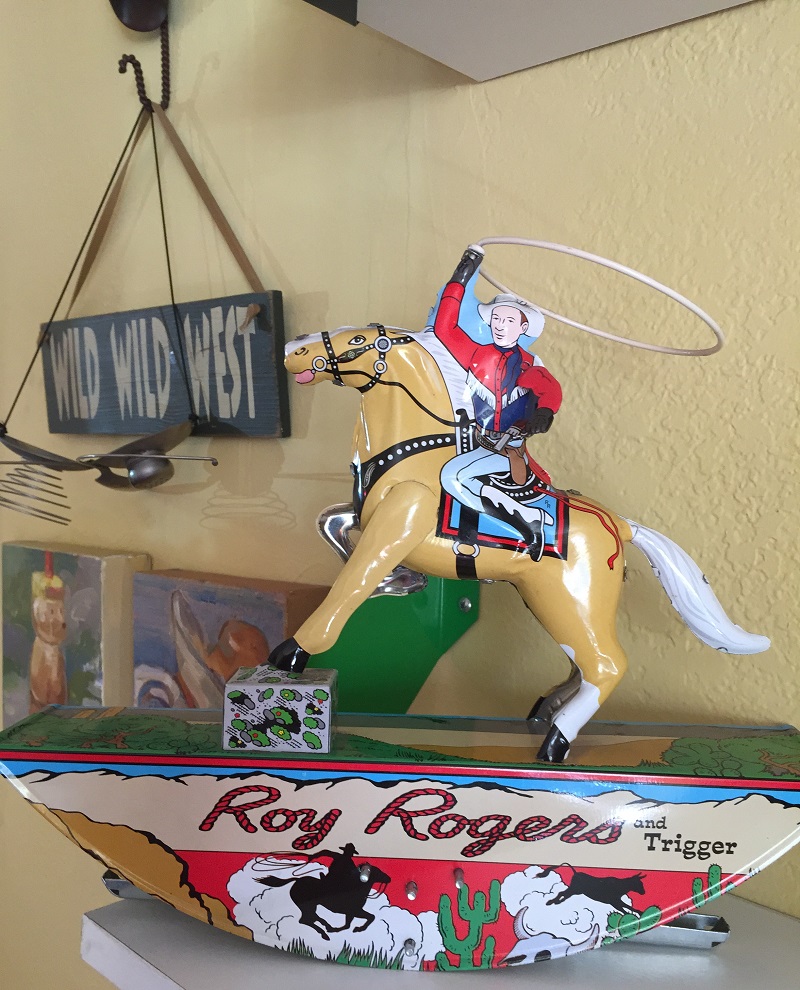
Travel back in time . . .
To a time that was lovely or difficult . . . a time that you remember.
It can be any age.
Writing prompt:
When I close my eyes, I see myself at age (choose an age) . . . at that time, I thought . . .
#justwrite #amwriting #iamawriter

Think about something you read recently.
It could be a book, a poem, an article, a letter . . . something you read and remember.
What did you like about this reading?
What didn’t you like?
What made it memorable?
#justwrite #iamawriter #amwriting

“She turns off her flashlight and listens to the waves, which sound to her like the earth itself breathing.” —“love anthony,” by Lisa Genova, pg. 246
“As ocean surface waves approach shore, they get taller and break, forming the foamy, bubbly surface called surf.” —Google Search
Writing Prompt: Image of waves lapping on shore or the quotes.
What popped into your mind when you saw this image?
Or, what did you think after you read the first quote?
Your reaction after you read the second quote.
How do you feel when you see and hear waves on the beach?
Write whatever you want. Just Write!
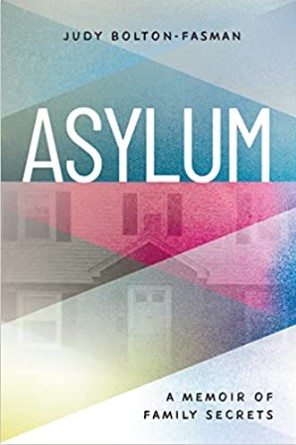
“Advice on Writing Through a Book’s Mushy Middle” By Judy Bolton-Fasman
A eulogy I wrote for my father expanded into journal entries and eventually my book, “ASYLUM: A Memoir of Family Secrets.” I long dreamt that those loose collection of journal entries might become a book, but for many years they were arc-less and therefore not coalescing. There was no discernible beginning, middle, and end. But those entries, the impetus to start a writing project—I wouldn’t dare call it a book at the time—formed my literary North Star.
As Emily Dickinson wrote: “I am out with lanterns looking for myself.” I searched for myself in every corner of my memory, soul, in every rare photo I had, in every journal entry I wrote, and in notes I jotted down. In that process, I found profound, surprising things about myself and the other protagonists in my life story.
One of the best pieces of advice I received from a friend was this: Find people who knew your father back in the day. I won’t give away the secret at ASYLUM’s core but researching my father’s life blew my memoir open. My nascent book was no longer all situational—I had a story to tell.
So, I threw away many pages of false starts and bruised prose. Then, armed with knowledge from my research, I began to write again. A word about research. In my case, there was little or no paper trail about my father so, I learned about him in his university library. There I read his alumni magazine class notes beginning in 1940. I sussed out facts casually mentioned, which led to an astonishing connection. But mostly, I talked to people. Many of them claimed to remember nothing. However, their foggy memories did not deter me. I gently asked questions and found gold to mine in those conversations.
And research—don’t be daunted by it. For me, it was the skeleton key that opened submerged parts of my family history. Research takes many forms. It can be as accessible as reading someone’s favorite book or rereading your favorite book. The bottom line is we are the experts on our stories. Only we can tell a particular story. Bearing that in mind sustained me in slogging through my book’s “mushy middle.” And when I reached the other side, I found my research had buoyed my story.
The importance of ongoing note-taking sparked memories and ideas. Again, this doesn’t have to be daunting. For my next project—notice superstitious me is hesitant to call it a book—I’m keeping an ongoing hodgepodge of notes on my Notes app. I did that to some extent while writing ASYLUM, particularly when I needed to keep track of who I had to talk to, where I had to go to find my father. Write everything that pops into mind. Those words, those lines will beckon again and enable you to go deeper into your book.
In the mushy middle, all kinds of characters will be vying for attention to include them. Invite them into the book—it doesn’t mean they will stay. But getting to know a crowd of characters enabled me to know myself better. I love this Joan Didion quote: “I think we are well advised to keep on nodding terms with the people we used to be, whether we find them attractive company or not. Otherwise, they turn up unannounced and surprise us, come hammering on the mind’s door at 4 a.m. of a bad night and demand to know who deserted them, who betrayed them, who is going to make amends.”
Didion’s observation is a manifesto for the memoir writer.
A character, usually not the writer, constantly lurks and then threatens to take over the narrative. My mother is necessarily a major character in ASYLUM. But, my goodness, she threatened to hijack the book at so many points. And maybe she did occasionally. In the mushy middle, give the characters and yourself permission to roam around the narrative. That’s what revision is for. And speaking of revision—do not go down the revision rabbit hole in this tender middle. Instead, generate, generate, generate material with which to sculpt. Nothing is wasted—think of it as literary compost to enrich the writing, the story, yourself.
A few words about the last part of the book: the ending is embedded in the narrative, it’s embedded in you, the writer; it always has been. You will realize it was hiding in plain sight. I wrote my ending at what felt like the last moment. But it wasn’t the last moment; it was a cumulative moment for me and my book.
I’ll be more specific—I end with returning to where my parents were married and say the Kaddish for my father there. This worked in that my parents’ marriage is front and center in the book and saying the Kaddish—the Jewish prayer of mourning—was central to the stages of grief I went through. It was also a significant strand in the book.
And last words of advice—no matter how tempting, and I know the temptation well—do not abandon your book. It needs you and you need it. This is your story, your moment. You’re important, and so is your story. Keep taking notes even if it is on the back of a restaurant menu while your dinner companion is in the loo. Those bits will happily surprise you as you come upon them again and welcome them into your writing.
And journal your way out of conundrums. Free write, and if possible, handwrite in a notebook. It makes a keen impression on the mind, on memory. Truths and images and insights will inevitably emerge. And remember, you did not write to bury anyone but to bring them to life.
“Advice on Writing Through a Book’s Mush Middle,” first appeared on Brevity’s Nonfiction Blog on August 25, 2022.
Judy Bolton-Fasman is the author of “ASYLUM: A Memoir of Family Secrets” from Mandel Vilar Press (2021).
Her essays and reviews have appeared in major newspapers, essay anthologies and literary magazines She is the recipient of numerous writing fellowships, a two-time Pushcart Prize nominee and a Best of the Net nominee.

What did your family do for fun?
What games did you play?
Did you go on vacations?
What fragments of your past, or what memories stay with you, even though they seem insignificant?
#justwrite #iamwriting #iamawriter

Suppose you could snap your fingers and be wherever you want to be, where would you go?
Where would you like to be?
#amwriting #justwrite #iamawriter

Are you a detailed planner or spontaneous when you travel?
#justwrite #iamawriter #amwriting
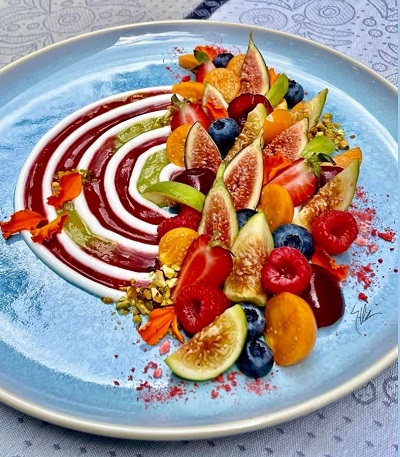
A Taste of Summer is inspired by Ellen Wu and her beautiful plating and photography.
Ellen describes this gorgeous dish:
Greek Yogurt with Summer Fruits
Greek yogurt, figs, strawberries, cherries, gooseberries, raspberries, blueberries.
Chopped pistachios, freeze-dried strawberries.
Raspberry coulis (with Chambord)
Peach coulis (with Peche liqueur)
“The afternoon lighting turned its yellow color to green.”
Prompt: Taste of Summer
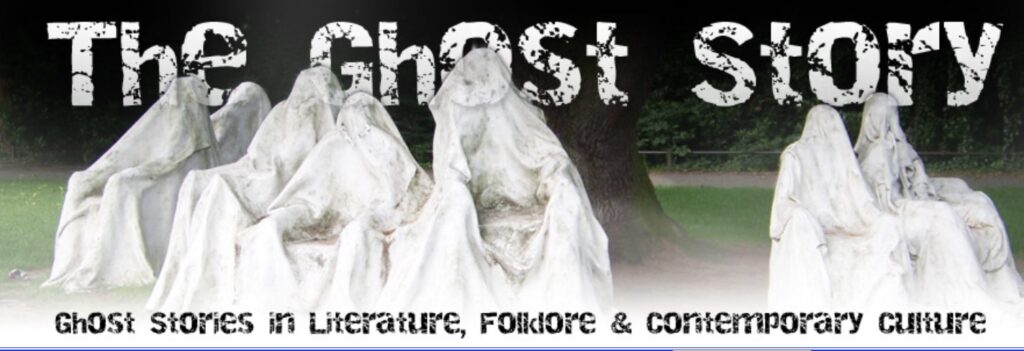
Do you have a ghost story that’s itching to see the light of day?
The Ghost Story Supernatural Fiction Award (deadline Sept. 30, 2022)
“Ghost stories are welcome, of course—but your submission may involve any paranormal or supernatural theme. What we’re looking for is fine writing, fresh perspectives, and maybe a few surprises in the field of supernatural fiction.”
Twice each year “The Ghost Story” awards $1,500 and publication to the winner of their short story competition.
Two other writers will receive Honorable Mentions that include publication and a $300 cash award.
Winning stories and Honorable Mentions will be published on “The Ghost Story” website on June 1 and October 31.
Ghost stories are welcome, of course—but your submission may involve any paranormal or supernatural theme.
What we’re looking for is fine writing, fresh perspectives, and maybe a few surprises in the field of supernatural fiction. Story length should run between 1,500 and 10,000 words.
Need an idea to spark an idea for your ghost story? Ghosts Writing Prompt.