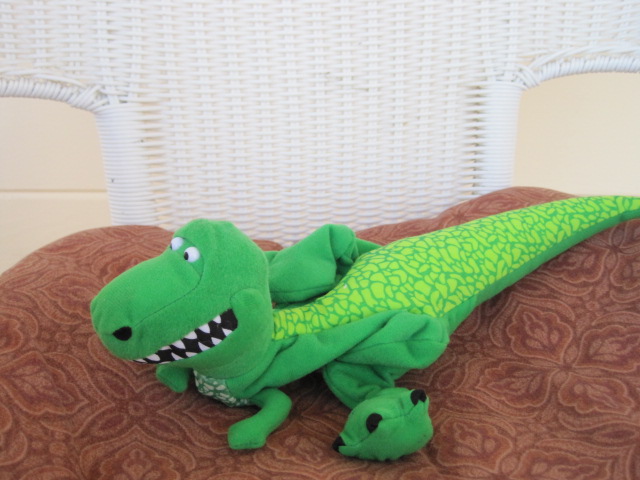
Today’s prompt: Standing in a doorway . . .

Photo by Jim C. March
Photo by Jim C. March
Sit back, relax. Take a few deep breaths. Relax into your breathing.
Think about rooms from your childhood. Let your mind wander around various rooms:
Your bedroom
Your parents’ bedroom
Your grandparents’ bedroom
The room where you ate your meals . . . kitchen or dining room
Your grandparents’ dining room.
Here’s an excerpt from Lynn Henriksen‘s book, Give The Gift of Story, TellTale Souls’ Essential Guide*, page 58, excerpt written by Robin.
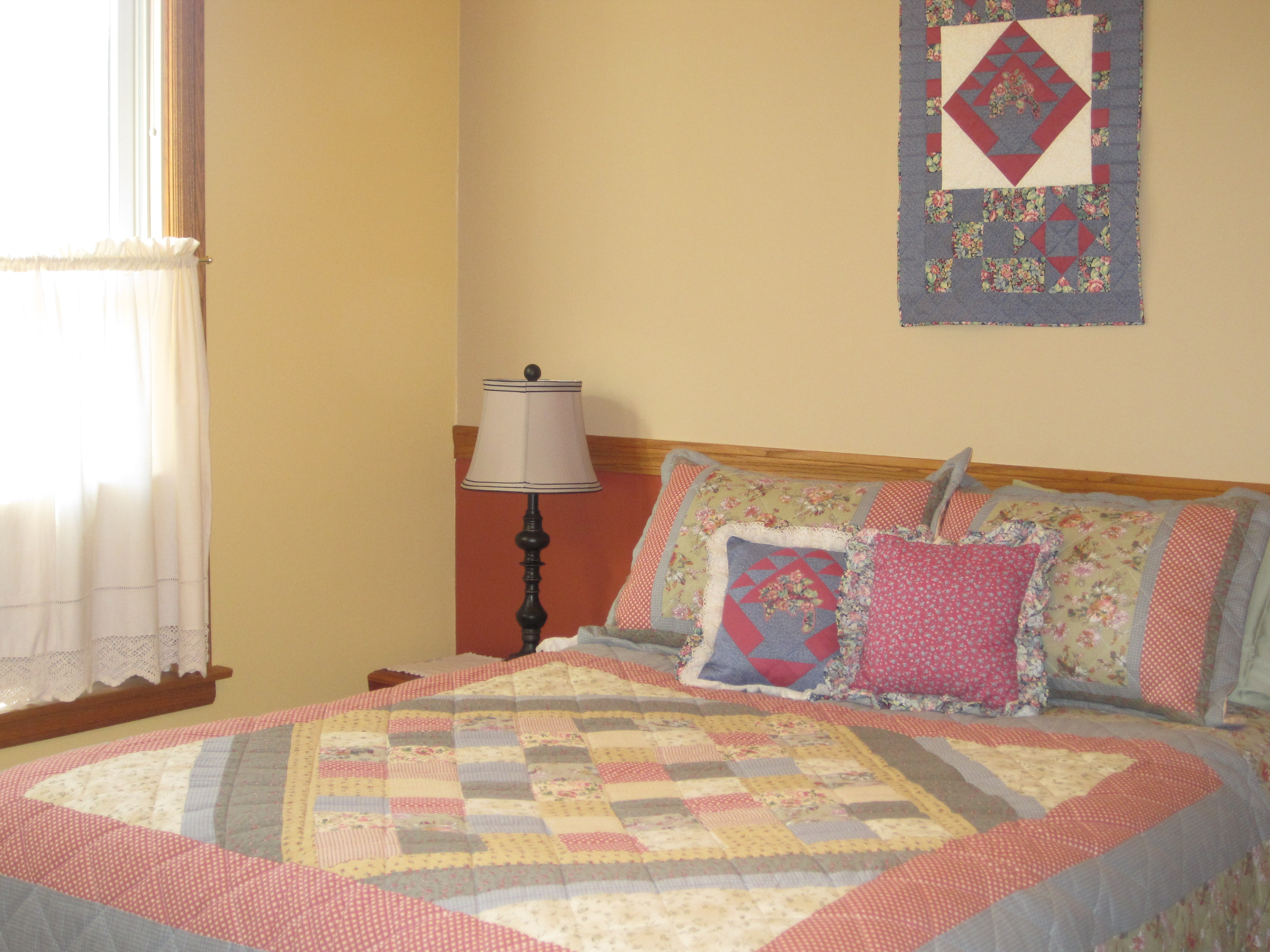
Jamie and I would crawl into our cozy little bed between the softest apple-green sheets that matched the apple-green carpet and the apple-green walls. We took turns as to who had to be squished against the wall and who was to be on the outside nearest Grandma. We always took turns with everything at Grandma’s house, I figure that’s how she kept the peace.
Now, settle into a room from your childhood. Look around. Really look around. Start from the doorway and move around the room. . . write about what you see, what you remember. Include color, smell, texture. What did this room feel like? Who decorated this room? What influenced the decorator?
Prompt: Write about a room from your childhood.
* Give The Gift of Story, TellTale Souls’ Essential Guide is now out of print. Lynn’s latest book, the “new and improved model,” as she writes, TellTale Souls Writing the Mother Memoir: How to Tap Memory and Write Your Story Capturing Character & Spirit is available at Amazon and Book Passage in Corte Madera, California.
How are you? No, really . . . How. Are. You.
Not the usual, “I’m fine. Thank you.” That just won’t do right now.
Take a deep breath . . . in through your nose. Exhale through your mouth.
A couple more deep breaths.
Now, how are you? Scan your body. . . start with your head. How is your hair? How are your eyes? How is your throat? Your stomach? Anything talking to you? Any body part want attention?
Write how you are. How you really are. Go deep. Take a big breath. Go deeper. Excavate. Dig in and grab those shadowy feelings. Give them words. Give them names. Translate the murky feelings into words.
Let your inner self guide you through new doorways.
Now, really. How are you?
Photo by Breana Marie
Write about a time you were lost.
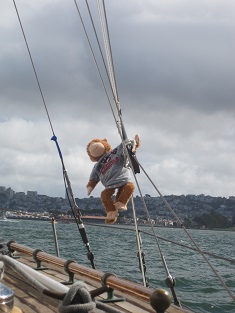
Write about something that always get you, or your fictional character, in trouble.
 Photo by Breana Marie
The roots of All Fools Day date back to at least the 1500s as an occasion to perpetrate tomfoolery, possibly in reaction to spring’s mercurial weather. It’s observed on April 1 in many Western countries.
In Italy, France, Belgium, and French-speaking areas of Switzerland and Canada, pranksters cry “April fish” as they tape paper fish to people’s backs.
In 1957, the BBC pulled a prank, known as the Swiss Spaghetti Harvest prank, where they broadcast a fake film of Swiss farmers picking freshly-grown spaghetti. The BBC were later flooded with requests to purchase a spaghetti plant, forcing them to declare the film a prank on the news the next day.
Source: Wikipedia
Prompt: Write about pranks you used to play on April Fool’s Day, a prank pulled on you, or make up a story about how April Fool’s Day started.

This prompt is inspired by Ianthe Brautigan from her Writers Forum workshop.
Draw a circle with radiating arms, ending in circles (see below).
In the center circle, write a note about a watershed moment where nothing was the same after that: A pivotal moment.
Write details on the radiating circles. Include as many circles as you want for details.
Write into the questions . . . how did this moment shape me? How did this affect the rest of my life?
Use this prompt to spark a freewrite.
When you are finished with freewriting on this prompt, if you keep a journal, use that for details to flesh out the story.

Prompt: In a perfect world . . .
Set timer for 12 minutes. Write.
Post your writing here. Come on . . . share your writing with us.
In a perfect world . . .

This is a two-part prompt.
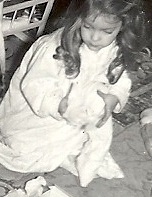
Part 1: Get a photo of yourself. We’ll wait.
Toe tapping . . . humming. Photo in hand? If not . . . close your eyes for a moment and picture a photo of yourself.
Write, starting with: “In this photo . . . ”
Go! Now! Write before reading Part II.
Wait. . . did you write on the prompt?
If yes . . . proceed to the next part. If not, take 10 or 15 minutes to write, “In this photo . . . ”
We’ll wait for you to catch up. Maybe we’ll hum a little tune. . . la. . . de. . . dum. . .
Ready?
Part II:
Add three sentences after every sentence you have just written. Start first additional sentence with “I felt” and then add two sentences after that.
Example of adding three sentences to what you have already written.
Original Sentences: In this photo, I’m opening a present. I’m four years old. It’s Christmas.
Original sentence #1 plus three sentences: In this photo, I’m opening a present. I felt happy. I loved being surrounded by my parents, grandparents, aunts and uncles. I’m excited to open this present.
Original sentence #2 plus three sentences: I’m four years old. I felt happy. I am older than my sister. I liked playing with her.
Original sentence #3 plus three sentences: It’s Christmas. I felt content. I liked being in Nana’s living room. She made the nightgown and robe that I’m wearing in the photo.
This is one way to go deeper in your writing.
I first experienced this writing prompt with Adair Lara, at a writing class in her home, Summer 2009. She teaches classes in her home. If you live in the San Francisco Bay Area and are interested, contact her. Click here for information about Adair Lara.
Tell a story from your past that has something to do with being a klutz or a time you were dazzling.