
Write about someone who . . .
You would like to have a meal with.
You want to have a do-over with.
You have a question for.
What is the question and why do you want to know the answer?
Write about someone who . . .
You would like to have a meal with.
You want to have a do-over with.
You have a question for.
What is the question and why do you want to know the answer?
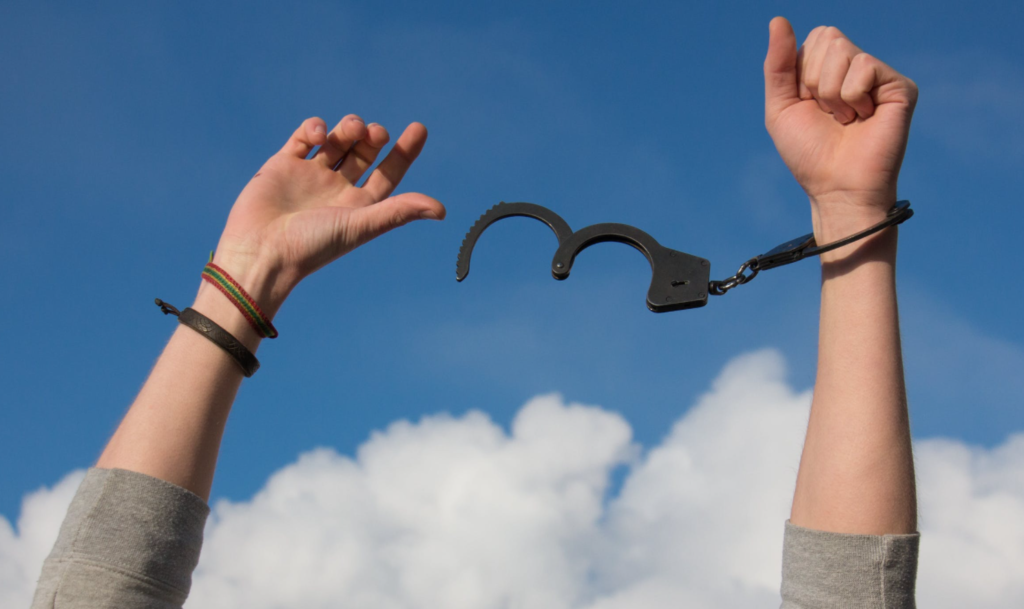
“So, while I still write for understanding, for truth, for clarification, to tell a story, to help people, to help myself and even for fun—I also write for communication, for discussion, for connection.
In a world that can feel fragmented and lonely, I write to bring myself closer to others.” —Diane Forman, “Why I Write,” Brevity’s NonFiction Blog, October 31, 2022
More on “Why Write?”
Memorable writing that sparks imagination. Lean in. Hear the writer’s voice on the page.
Mycorrhiza*
by Patricia Morris
I live under the canopy of a grandmother valley oak. It grows in what is now called “my neighbor’s yard,” due to the way we white settlers swept through this what-is-now-called a nation over the past 300 years and took over everything. Massacred people who were living here, infected them with deadly diseases, tried to re-make them in our image. Declared that we “owned” the land, bought and sold it; built structures to live in, structures that got bigger and more permanent as time passed; built fences to delineate MINE.
But before all this, there was the valley oak. Like all oaks, it began as an acorn, scrunched into the dirt next to a small seasonal creek. Its roots sank deeper each year, reaching for the water. Its mycorrhizal fungi spread wide, linking fingers with the grandfather sycamore nearby, and the great buckeye at the deeper part of the creek. They grew up together sharing food; sharing information; sharing tenants such as woodpeckers, scrub jays, red-shouldered hawks, squirrels, and woodrats.
The grandmother oak watched placidly as the Coast Miwok women gathered its acorns, ground them into mush, and fed them to their families; as the Spanish and then the white folks pushed in and planted crops and orchards, grazed cattle and sheep; as roads were laid down and houses sprang up, displacing meadows and pastures.
Fifty-one years ago what I call “my house” was built beside the oak out of dead redwood trees. The oak, by this time the oldest living being in the area, grew protective of this redwood structure, and even of the humans within it, despite all the destruction they wrought. I’ve had no doubt, since first setting foot on what I now call “my lot,” that the tree is protecting me and sending me love. Its ever-expanding canopy of leaves covers over two-thirds of my house in the summer, keeping it cool on even the hottest days. In the autumn, as its acorns hit the roof, the deck, sometimes even my head, like small exploding artillery shells, I give thanks and gratitude for the way it shares its abundance.
On a cold, dark winter night, silver stars glitter through the outline of the oak’s bare black branches, its ancient arms reaching to the cosmos. My tiny form sits in a tub of hot bubbling water. Boundaries between me, tree, and twinkling stars dissolve into emptiness.
* fungus which grows in association with the roots of a plant in a symbiotic or mildly pathogenic relationship. Oxford English Dictionary
Patricia Morris lives under the trees in Northern California and writes on Monday nights at Jumpstart Writing Workshops. She dates her love of stories to being read to while sitting on the lap of her Great-Aunt Ruth, a children’s librarian. Her writing has appeared in Rand McNally’s Vacation America, the Ultimate Road Atlas and The Write Spot anthologies Possibilities and Musings and Ravings From a Pandemic Year, edited by Marlene Cullen.

Write about a silence. A silent night. A silent vigil.
A quiet experience perhaps in a church or in nature.
Or a calm experience, perhaps while watching a performance, or listening to music, or while watching children or animals or while walking.
Notes from Marlene Cullen’s talk about freewrites. Scroll down for links about how to use freewrites and how to write about difficult subjects without adding trauma.
I gave a talk about freewrites at the Redwood Branch of the California Writers Club. I’m sharing my notes so you, too, can enjoy the freewrite method of writing.
I love freewrites because they are so . . . freeing. Freewrites can open doors to discoveries.
I was thrilled to discover freewrites, unlike short story and novel writing, this was something I could do. I hope these tips help make your freewrites fun and successful in inspiring your writing.
What is a
freewrite?
A freewrite is writing spontaneously with no thinking. Just putting down word
after word, with no worries about spelling, punctuation, how it will sound, and
no worries about the final product.
Sometimes when you are engrossed in your writing project and the writing is coming easily . . . that’s like a freewrite. The difference is that, with a freewrite, there is no end goal in mind.
With a freewrite, you can write about what happened to you, what happened to someone, else, or you can write fiction, poetry, whatever comes up during a freewrite is fine. . . as long as you keep writing and don’t stop to think. Thinking is bringing the editor in and this isn’t the time for editing nor censoring.
Sometimes, with a freewrite, it’s the process, not the product.
Freewrites can be used to understand and work out things that are puzzling or disturbing or annoying. Sometimes it helps to write about something in order to understand it.
One way to start a freewrite is to use prompt: A word, a line from a book or a line from poetry and write from there. You can also use a visual item as a prompt.
One of the things I like about freewrites is the freedom to write whatever you want about any topic. Ideally, with no worries about what your writing sounds like . . . no worries about the outcome.
If you don’t want anyone to read what you’ve written, you can destroy your writing. Or you can save it in a secret place. But you have to remember where that secret place is!
Another thing I like is that since freewrites are very rough first drafts, it doesn’t matter what the writing is like . . . it can be fragments, or unrefined ideas, or mental doodling set in writing.
The challenge of freewrites is getting out of the way of yourself.
During a freewrite, let your writing flow with no judging.
What about that inner critic that we all have?
When you are in the zone . . . in the groove of writing . . . there is no space for the inner critic to hang out.
With freewriting, it’s just you and your creative mind playing with words.
Let go of your worries about your writing.
If you can talk . . . if you can think . . . you can do a freewrite.
One way you can use freewrites is to get past roadblocks in your writing . . . whether fiction or non-fiction.
If you are having a problem transitioning from one scene to another, or you are having trouble getting a character from Point A to Point B, do a freewrite.
As you begin a freewrite, relax your mind . . . have no expectations about the outcome. This is play time.
It’s the “What if?” game. What if this happens or that happens? What if your character says or does this or that? Play around with the possibilities.
You don’t have to use any of your freewrites in your final scene. But you may generate ideas that you can use. Be open to the possibilities.
How to be successful with freewrites.
Let go of your ideas about what perfect writing means. Give yourself permission to be open to whatever comes up during a freewrite.
You can think of freewrites as making discoveries.
Take deep breaths as you begin and then relax into your breathing and let the writing happen.
When you are writing in this free style, you are not writing for an audience. You are giving yourself the gift of writing for yourself.
During a freewrite, immerse yourself in your writing. Write at a place and a time where you won’t be interrupted.
Let go of your worries and just write.
Write to satisfy your desire to go to a meaningful place in your writing. You get to decide what that means.
During a freewrite you can go deep into the recesses of your mind and really write.
It’s okay to start with gut level feelings or to get to gut level feelings. It’s okay to go for the jugular as Natalie Goldberg says
As you write, you might notice discomfort, especially if you are writing about an uncomfortable experience or about a difficult memory.
When that happens, gently put your hand where you feel the discomfort. If you can’t put your hand there, put your thoughts there . . . your loving, caring, patient thoughts.
When you are feeling uncomfortable, you can either stop writing and come back to it later. Or, work through it.
To work through it, have a focal point, something you can look at that will remind you to breathe deeply.
If you know you are going to write about a difficult subject, have a plan before you start writing.
When the writing gets tough: Look out a window. Walk around. Look outside. Take a sip of water.
When writing about a difficult subject, let the tears come, let your stomach tie up in knots. It’s okay to write the story that is challenging.
Get through the barriers to go to a deeper level.
See your story and tell it.
This is a lot of information. Let’s take a deep breath.
More ideas for successful freewrites:
When you are writing, if you run out of things to say, write down, “I remember. . .” and see where that takes you.
Or write, “What I really want to say . . .” and go from there.
Writing Prompt
Let’s try a type of freewrite now.
Get comfortable.
Relax into your chair. Both feet flat on the floor.
Rotate your shoulders in a circle. Opposite direction.
Rotate your head in a circle. Opposite direction.
Bring your shoulders up to your ears. Let them down with a harrumph sound.
Escort your inner critic out the door. Shoo! Good-bye.
Give yourself permission to be open to whatever comes up.
Take a deep breath in. And let it out.
Go back in time to when you were 4 or 5 or 6 years old. See yourself at this age. Perhaps you can see a photo of yourself at this young age.
Now, we’re going to travel up in time, starting with a memory of when you were 4 or 5 or 6.
As we do this, pause when you feel energy. You might feel a flutter in your stomach. Or a tightening in your jaw. You might feel a constricted throat. Notice as you travel through your memories where you have a physical reaction. Stop there. Pause. Think about that time. If you want, you can put your hand on the place on your body where you feel this energy. If you can’t put your hand there, put your thoughts there.
Deep breath in. Let it out.
See yourself when you were twelve.
Another deep breath in. Release. Let go.
See yourself at 16 or 18.
Remember when you were a young adult, early twenties. Mid-twenties.
Choose one of the memories you just thought about that brought a strong physical reaction. The reaction could be joy, pain, pleasure, or discomfort.
Choose one event, or experience, and think about what you were like before this event happened. Then the pivotal event happened and you weren’t the same after.
Drill down to the precise moment the pivotal event happened. Look closely, like looking through a microscope or a telescope.
See the details of where you were, who was there. What happened?
Write about it now . . . Freely . . . with no thought of the outcome. No plan to ever share this writing. Just write.
When you are finished writing.
Breathe. Take a deep breath in. Release your breath. Shake out your hands. Stretch.
Take a moment to transition from writing to being back in the room.
LINKS
What is a freewrite? Why should you do it? How is it done?
Get Started. How to use writing prompts.
Don’t think. Don’t plan. Just write.
Don’t think. Don’t plan. Just write.
Remember math word problems? If x = a + c, then what does b equal?
If Johnny and Tony want to end up at the same place and at the same time, why didn’t they just travel together?
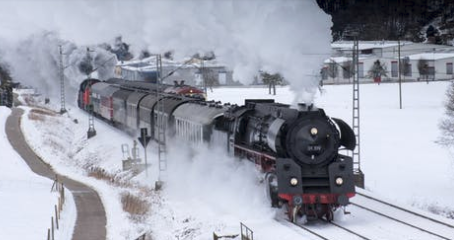
Prompt: Word problems
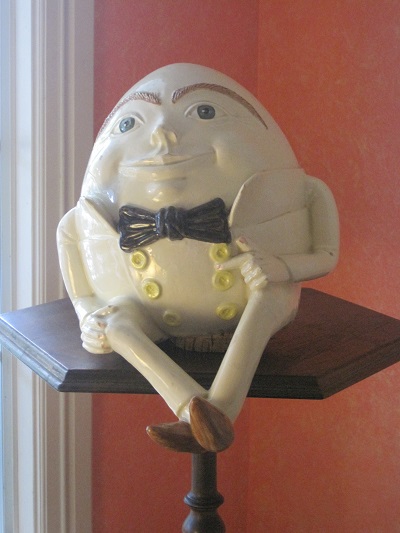
Write about a time you faced your fears.
Or a time you could have faced your fears, and didn’t.
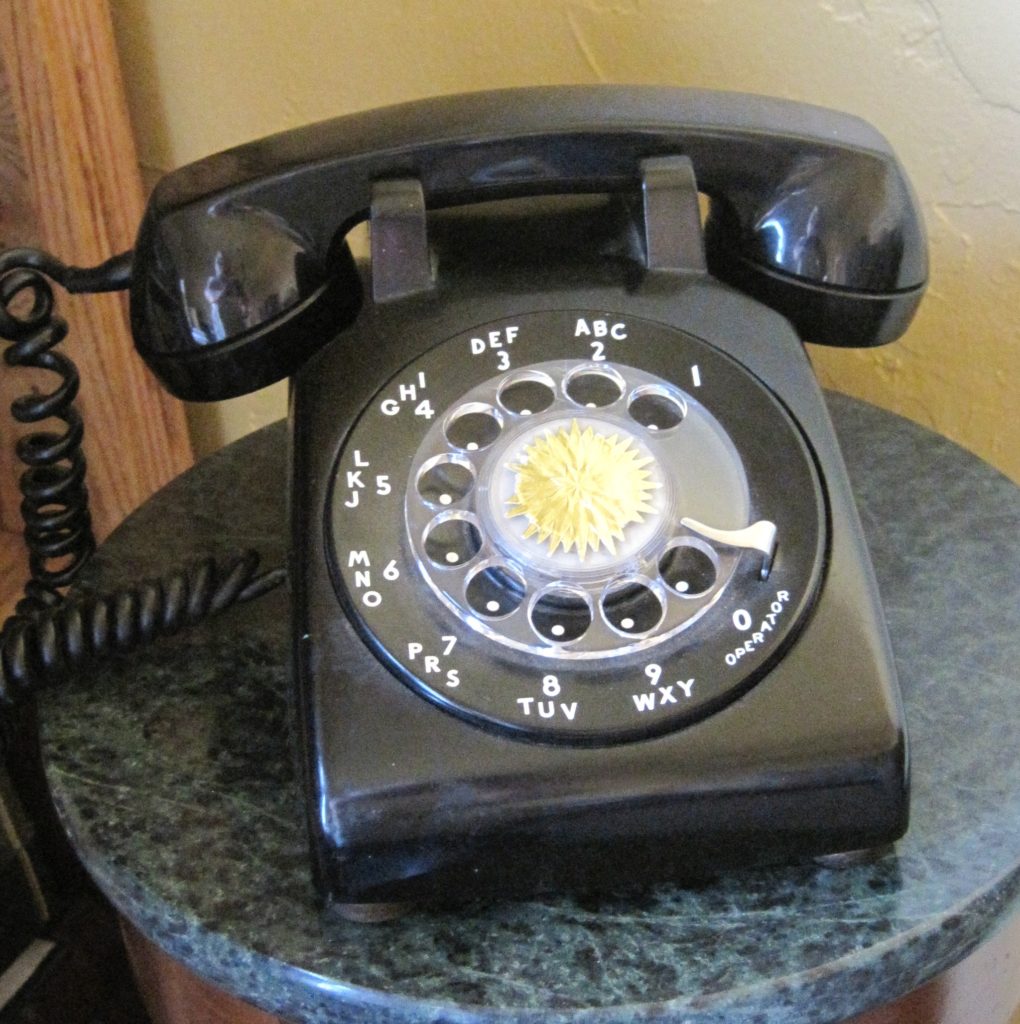
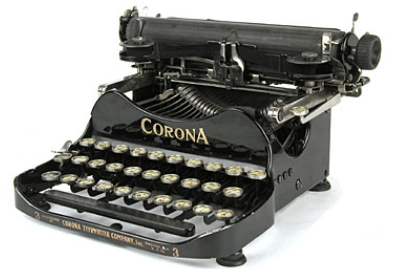
Writing Prompt: Today I saw . . .
You can write about what you saw today.
Start writing and see what happens.
Write freely and with no cares about the outcome. Just write!

You have just been notified that you have won a prize on the level of a gold medal at the Olympics, or a Grammy, or an Academy Award, or a Pulitzer Prize.
Write about a special skill you have and how you won an award for that.
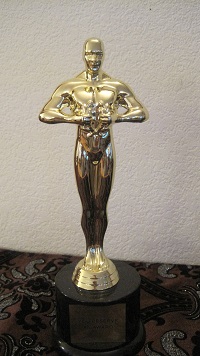
Let your imagination soar. What have you won a prize for?
What is your reaction?
Write your acceptance speech.