 The Write Spot Blog is all about writing: Writing Prompts to inspire you; Just Write tidbits to motivate you; Quotes to let you know others are in the same boat as you; Places to Submit to get your work out there; Book Reviews to share authors’ work; Guest Posts for all kinds of writing-related things.
Today’s Guest Blog Post by Suzanne Murray talks about increasing your creativity by relaxing. Sounds easy, doesn’t it? But what about cortisol, adrenaline, and epigenetics? Factor those in, and it becomes apparent that relaxation isn’t as easy as drifting in a hammock.
Fortunately, Suzanne Murray offers strategies to help us learn to relax.
HOW CREATIVITY CAN HELP US RELAX
We all know that relaxation makes us and our bodies feel good whereas stress causes us to tense up and feel less that optimum. New scientific research shows just how important relaxing our bodies and minds is.
The emerging science of epigenetics shows that our genetic expression is not permanently fixed at birth, but actually evolves as we grow and learn. Environmental factors including nutrition, stress and our emotional responses can affect how our genes express themselves without changing the basic blueprint of our DNA, the genetic material in our cells.
When we are stressed our genes produce hormones associated with fight or flight like adrenalin and cortisol that are associated with aging and making us more susceptible to disease. When we are relaxed and feeling good our genes produce chemistry that boosts our immune system and helps with cellular repair and growth.
A study looking at mindfulness practices like meditation, yoga, breath work, and other relaxation techniques, showed that we can actually “turn on” disease-preventing genes and “turn-off” disease-causing genes through relaxing. Research on the energy psychology modality EFT (Emotional Freedom Techniques), an easy to use self-help strategy that combines western psychology with Chinese acupressure, found that an hour session of EFT lowered cortisol levels by 24 percent.
I’d like to add creativity to ways we can relax as well as develop more of our potential.
Creativity is really a form of mindfulness since it puts us in the flow of the moment and feels good. Adult coloring books have been shown to reduce stress. I like doodling or free writing where you just let the words flow out of the pen with no thought to what you are writing.
Bringing play to whatever process you are working with and letting go of attachment to outcome is important.
Stress so often stems from the fact that our mind has leapt ahead with worry about the future or is chewing over something that happened in the past. When we do things that bring us into the moment we naturally relax.
Find what works for you. Play with it and see if you feel better.
Suzanne Murray is a gifted creativity and writing coach, soul-based life coach, writer, poet, EFT practitioner and intuitive healer committed to empowering others to find the freedom to ignite their creative fire, unleash their imagination and engage their creative expression in every area of their lives. She works with simple, powerful techniques to help clear whatever gets in the way and creates a safe and sacred space for your creative and soulful life to blossom. She provides an experience of the joy and beauty that comes from embracing your gifts and expressing them in the world. With a lifelong connection to the natural world, she enjoys sharing the grace and wonder that Nature can bring to your life and creativity
Writing and Creativity in Nature
One Day Workshop Point Reyes CA
April 22, 2017, 10 am to 4 pm
Spending time in nature is good for our health, enhances our creative capacities and increases our general sense of wellbeing. It can help us enter the flow. Join me for this one day workshop where we will work with our creativity in the beauty of nature.
EFT (Emotional Freedom Techniques)
I’ve been working with EFT in new ways that allow us to laser in on the issue and shift it at the core. We often make significant shifts in a single session. Sessions are available by phone and Skype
Original posted on Suzanne’s April 2, 2017 Blog
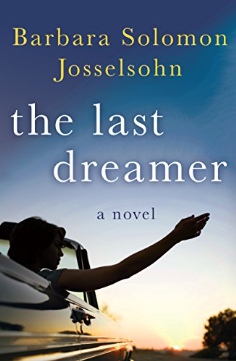 If you have attended a Jumpstart Writing Workshop, you may have heard me say, “There are two kinds of writing I like. One is when the writing speaks to universal truths—something we can all relate to. The other is when the writing speaks to me personally.”