Blog

  • Difficult Time Part 1 Prompt # 298

    ArgueWrite about a difficult time . . . something that happened to you or something you witnessed that made your stomach churn. Perhaps a crisis, or an argument, a disagreement.

    Write about an event that got you hot under the collar.

    Write as if you were a reporter narrating the facts. This happened and then that happened.

    See your story and tell it.

    How to write without adding trauma. 

  • What do Contest Judges Look for?

    Notepaper.make a listRecently I was one of three judges for a writing contest. We didn’t agree during the first round of reading on the winners. It took re-reading and much discussion to select the three winners. So that got me to thinking. What do contest judges look for when choosing winning entries?

    My fellow judges and I came up with:

    Make sure to follow the guidelines. They aren’t arbitrary. The guidelines are specific for a reason.

    Make sure to follow the criteria of what genre the contest is. Don’t submit memoir if the contest is fiction. Even though the judges may not be able to tell for sure if something is fiction or memoir . . . if it feels like memoir, it probably is. And that won’t work in a fiction contest.

    The winning entries that stood out excelled in creative writing and well-crafted stories. The writing and stories were compelling, keeping reader engaged to the end.

    Proofread. I know this is obvious, but many of the entries had typos or punctuation errors.

    Have someone read your entry – both for feedback and to proofread.

    If it’s a fiction contest, make sure your entry is a story. Many of the entries were anecdotes, rather than full pieces (beginning, middle, end with a definable plot and fleshed out characters).

    Avoid clichés – in words, phrases and story line. This goes back to the unique story. Tell us something new, or write something old with an interesting twist.

    Understand and use correct point of view. Many entries jumped around with point of view, sometimes it was hard to tell who “he” and “she” referred to.

    Stay with the same verb tense, except when appropriate to use past or future tense. Stories got extra points from me when using present tense (because that’s harder to do than using past tense).

    Susan Bono shares her views on contests in her essay, A Thought or Two on Writing Contests, originally published in Tiny Lights, A Journal of Personal Narrative, 2/9/2007.

    More thoughts on entering writing contests:

    “Don’t assume the winners of a writing contest were the only ones to submit excellent work. There are only so many prizes available in any given contest. Winning may equal good, but losing does not always equal bad. Your turn will come.” —Susan Bono, author of What Have We Here: Essays about Keeping House and Finding Home, has judged many, many contest entries.

    “Make us see something about the world in a fresh way or remind us of something important that has an arguable public dimension.” — Dan Lehman, River Teeth, A Journal of Nonfiction Narrative

    “There is a difference between experience and meaning-making. If we are reading along and this happens and this happens, and we still don’t know why it is important, then we know the writer might not be up to it . . . just writing about something that has happened to you is never enough. It’s what the writer does with her own experience, what she makes of it that counts.” —Joe Mackall, River Teeth, A Journal of Nonfiction Narrative, (paraphrased from original quote by Judith Kitchen).

    River Teeth Journal, Editor’s Notes, Volume 17, Number 2, May 31, 2016

    Are you motivated? Ready? Enter!

    River Teeth Submissions

    Redwood Writers, a branch of The California Writers Club sponsors contests year-round.

    The Writer Magazine regularly calls for contest submissions.

    Writer’s Digest Magazine lists contests.

    Links to writing contests.

  • It’s tradition . . . Prompt #297

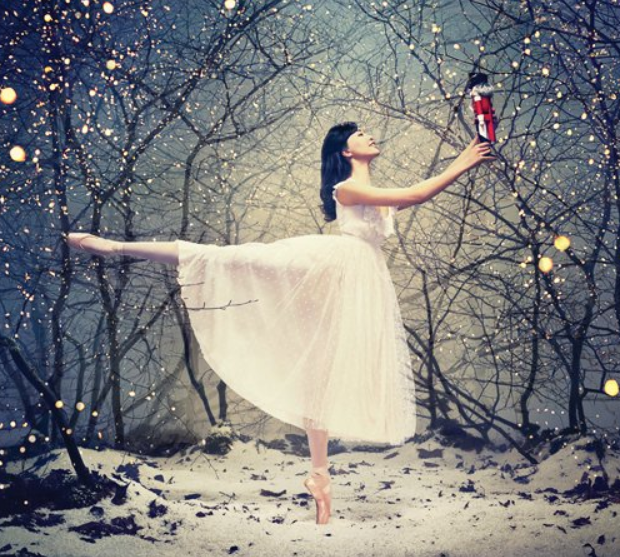
    nutcracker-balletWrite about something you traditionally go to . . . The Nutcracker, a sports event, a debate, a poetry slam, Grandma’s house, Japanese Tea Garden, Golden Gate Park, the beach, the mountains, skiing, Hawaii, the movies on Christmas Eve, out to dinner on an anniversary, watching fireworks at . . . , Disneyland, Friday night movies, family dinner on Sunday, the flea market, farmer’s market, bowling on New Year’s Eve.

    Write about something you traditionally go to.

  • This Place. Prompt #296

    petaluma-museum-150x139Write about a place . . .  a favorite place . . . either real or imagined, currently in your life or from your past.  A geographic place or an emotional place.

    Now, think about an uncomfortable place, a place or situation that makes you squirm and dread.

    Write about a favorite place or an uncomfortable place.

    Here are some sentence starts. You don’t have to use every suggestion . . . just pick the ones that jump out at you.

    Describe the place . . .

    A physical description. It is made of . . .
    The stone came from . . .
    The marble came from . . .

    What did the workers think while they built this place?

    When I first saw this place, I thought. . .

    As I approach this place, I . . .

    My first time inside this place . . .
    I wonder what these walls would say if they could talk . . .

    I will never forget . . .

    My emotions about this place . . .

    Now go down a layer . . . My real thoughts about this place . . .

  • Twenty-six letters.

    Neil Gaiman, excerpt from Brain Pickings,  “Why We Read and What Books Do for the Human Experience

    When you watch TV or see a film, you are looking at things happening to other people. Prose fiction is something you build up from twenty-six letters and a handful of punctuation marks, and you, and you alone, using your imagination, create a world, and people it and look out through other eyes. You get to feel things, visit places and worlds you would never otherwise know. You learn that everyone else out there is a me, as well. You’re being someone else, and when you return to your own world, you’re going to be slightly changed.  — Neil Gaiman


    https://www.brainpickings.org/2016/08/03/neil-gaiman-view-from-the-cheap-seats-reading/

  • Your favorite season. Prompt #295

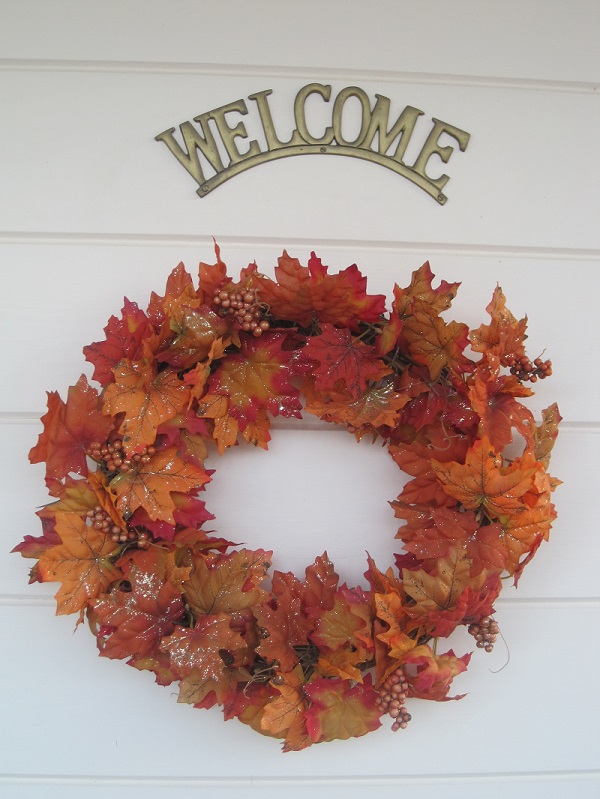
    autumn-lights

    I refuse to ignore autumn. I refuse to go from Halloween straight to Christmas.

    So let’s give a cheer for this wonderful time of year. . . Autumn.

    Before the hectic holidays begin, savor this moment. The slant of the sun casts a soft glow, highlighting fall colors of yellows, burnt oranges, umber and browns.

    Pause and enjoy the wonderful golden light of autumn.

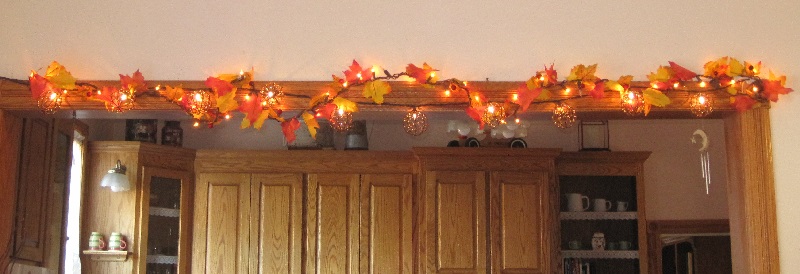
    Recently, I looked everywhere for a garland of fabric autumn leaves to decorate the archway between my kitchen and dining room.  None of the usual suspects had them in stock.  “Oh, you missed it by a week,” said a store clerk amidst Christmas decorations . . . on November first.

    A friend told me about gluten-free oatmeal with quinoa at Raley’s. Sounded good, so I headed there. I strolled the seasonal section, as I had been doing in every store, looking for that elusive autumnal garland.  I was drawn to the shelves filled with orange color. Could it be?  Could my autumn garland be in Raley’s?  Eureka! I bought four garlands of golden brown autumn leaves laced with twinkling lights.  Twinkling lights! And autumn leaves. I’m in heaven.

    It’s the small things that make life a big, wonderful, full event. Embrace life. Enjoy Autumn! Savor each special moment, no matter how small or big, how simple or wondrous. Embrace whatever or whoever brings you joy.

    Prompt: Write about your favorite season.

    autumn-wreath

  • Darkest Hours Contest

    Have you been following the writing prompts on The Write Spot Blog? Especially Prompt #293 and Prompt #294. If you have, you might have some ideas for The Writer magazine writing contest.

    If you wrote true stories for these prompts, turn fact into fiction and enter the contest.

    Write a 2,000 word fictional short story using any nuance, definition or understanding of the word “dark.”

    “Our Darkest Hour” writing contest, sponsored by The Writer Magazine.

    Deadline: November 15, 2016

    Story starts from The Writer magazine:

    After dark . . .

    Deep, dark secrets . . .

    A dark horse . . .

    The dark side of the moon . . .

    That line’s gone dark . . .

    Don’t leave me in the dark . . .

  • Dark times can illuminate . . . Prompt #294

    all-hallows-eveThe bewitching hour is near. All Hallows Eve approaches. Are you ready, my dear? Are you sure, my pretty?

    If it happens in the dark and no one sees it, did it happen?

    What goes on down those dark, narrow, alleys?

    What happens after dark here and there and everywhere?

    Are you the keeper of deep, dark secrets? Did you ask for that position? Can you give it up? Do you want to give it up?

    Write about the dark. . . dark times, dark streets, dark thoughts. Don’t leave us in the dark. Enlighten us.

  • Dark, murky, spooky . . . Prompt # 293

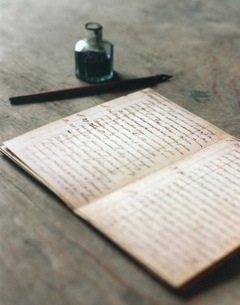
    ledger.ink wellWriting Prompt:  Write about your darkest moment, or a murky hour, or a gloomy day or a dreary night.

    Dark. Murky. What odd words. Dark. Murky. Is it the “k” sound that makes them spooky?

    What is it about these words that convey doom and gloom?

    What if you could spin the wheel, turn the dial, press a button and turn that dark day into a bright day? Would you do it? Would you trade your weary days for cheery days?

    Write about a lesson learned, an epiphany realized, a notable reconnaissance gained from what looked a worst nightmare.