The only sin writers can commit is . . .

  • The only sin writers can commit is . . .

    “The only sin writers can commit is not to write.” — Eleanor Hyde, originally in the August 1976 issue of the Writer Magazine, reprinted in the August 2014 issue.

    Note from Marlene: So, you are itching to write and need a jumpstart? Go to the prompts page of this blog for ideas.

    Click here for more prompts and read what others have written. Scroll down and click on a plaque.

    Writing Prompts


  • Aprons . . . Prompt #88


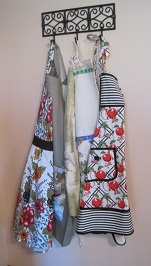
    ApronsMy grandmother put her apron on every morning right after she put on her house dress. She wore an apron every day, even to parties. She made all her clothes, including her aprons. She always chose a small flower design and used colorful seam binding for trim around the edges.

    I also wear aprons, but only when cooking and eating. . . saves many an outfit from food stains.

    Today’s prompt is: Aprons

    Thank you, Kathy Myers, for the inspiration to hang my aprons in the kitchen.

    Thank you, Pam Swanson, for emailing so many years ago, “The History of Aprons.”


                                            THE HISTORY OF APRONS

    The principal use of Grandma’s apron was to protect the dress underneath. Because she only had a few dresses, it was easier to wash aprons than dresses and they used less material, but along with that, it served as a potholder for removing hot pans from the oven.

    It was wonderful for drying children’s tears.

    From the chicken coop, the apron was used for carrying eggs, fussy chicks, and sometimes half-hatched eggs to be finished in the warming oven.

    When company came, aprons were ideal hiding places for shy kids.

    And when the weather was cold, Grandma wrapped her apron around her arms.

    Those big old aprons wiped many a perspiring brow, bent over the hot wood stove.

    Chips and kindling wood were brought into the kitchen in that apron.

    From the garden, the apron carried all sorts of vegetables.

    After the peas had been shelled, it carried out the hulls.

    In the fall, the apron was used to bring in apples that had fallen from the trees.

    When unexpected company drove up the road, it was surprising how much furniture that old apron could dust in a matter of seconds.

    When dinner was ready, Grandma walked out onto the porch, waved her apron, and the men knew it was time to come in from the fields to eat.

    It will be a long time before someone invents something that will replace that ‘old-time apron’ that served so many purposes, especially what many children and grandchildren received from the simple apron. . . Love!

    Adapted from:  The History of Aprons,  which may have been originally from  Grandma’s Apron.

    Writing Prompt:  Aprons

  • Your intangible treasure. Prompt #85

    What is the one intangible thing you treasure above all else?

    Intangible, meaning: you can’t touch it, feel it, smell it, hold it, see it . . . it may be a character trait, a personality trait, a quirk. . . a feeling. . . .

    Prompt:  Write about something intangible that you treasure.

    LifeJanePhoto by Jane Person


  • Fourth of July . . . Prompt #84

    July 4th is coming up. . . . what does this mean to you? Do you consider yourself patriotic? What does being patriotic mean to you?

    Which reminds me of one of my all-time favorite “brain teasers.”

    Fourth of JulyDo they have fourth of July in England?


    Yes. . .and third of July and fifth of July.

    Writing Prompt:  What does July Fourth mean to you?

  • Right now . . . Prompt #83

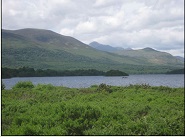
    Ireland, photo by Jim C. MarchSet your timer for 12-15 minutes and write.

    No judging.   Shoo your inner critic away.     Just write.

    Today’s Prompt:  Right now . . .

    Photo taken in Ireland by Jim C. March

  • Writing is like excavating . . .

    Writing prompts on The Write Spot Blog are designed to encourage writing that takes the writer on a journey of discovery.

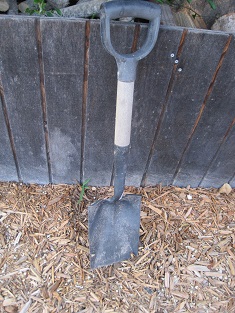
    Our freewrites can refresh our memories and remind us of times past. It’s like excavating — digging deep and dredging up memories.

    You can start writing very simply — with pen or pencil and paper or keyboard.

    To go deep into your writing — rest both feet on the floor, rest your hands lightly on your lap or on the table. Take in a deep, nourishing breath and slowly let it out. Another deep breath in and s-l-o-w-l-y release. Sink into your breath and relax on the out breath.

    Review the prompt and start writing. If you get stuck and don’t know what to write next:

    ~ Write the prompt . . . sometimes re-writing the prompt brings up new ideas.

    ~ Write “I remember. . . ” and go from there.

    ~ Write “I don’t remember. . . ” and see where that takes you.

    ~ Write “What I really want to say . . . ”   This is my favorite to inspire deep writing.

    Shovel Whatever methods you use . . . just write.


  • The next time . . . Prompt #78

    Today’s writing prompt:     The next time . . .


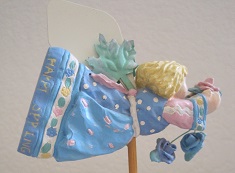
    angel.flying

  • If only . . . . Prompt #68

    Writing Prompt:  If only . . .

    Set your timer for 12 minutes and write “If only”   . . . .  and keep writing.

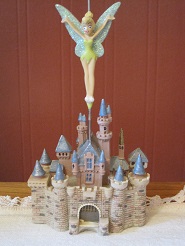
    Tinkerbell


    Prompt #68 – If only . . .


  • Setting The Mood. Prompt #49

    Prompt #48 was about how to “Grow Your Character.”  We’ll talk about location as character (exterior and interior) in this post and how to set the mood, or the tone of the scene.

    Let the reader know right away where the scene is happening, include details such as place, year, season, weather, and perhaps time of day. Not in an information dump, rather, weave in these details.

    Furniture tells a lot about a person. Sparse? Elegant? Are there cooking utensils on the kitchen counter?  Neat and tidy? Cluttered?

    The city (setting) can be a character in the story. Examples:  Dashiell Hammett and San Francisco, Lisa Scottoline and Philadelphia.

    The Christmas tree in The Nutracker becomes a character as it expands.

    As you write details about the setting and location, try to use dialogue and action. Think Casablanca and the Maltese Falcon.

    Elements of setting the mood:

    Where does this scene take place?

    City (real or mythical), urban, suburban, small town, hamlet, metropolis

    Time of day

    Season

    Weather can match mood of story

    Furniture

    Example of a freewrite, using details to set the mood:

    Martha pulled back the Coventry lace curtains, squinting past the newly pruned rose bushes, past the edged lawn and noted the weather. She raised her coat collar high above her ears, and picked up her fur-lined gloves from her bureau. One more look in the mirror to check if her seams were straight. It wouldn’t do to meet Monsieur Blanchard looking like a two-bit whore.

    She walked downstairs.

    “Good night, Father. Don’t wait up. I’ll be rather late.”

    Mr. Edmonton lowered his reading glasses and glanced at his daughter.

    “Setting out in this weather, are you?”

    “Yes, Father, I have an important client to meet.”

    “I don’t like the looks of this. Where are your rubbers? You aren’t dressed appropriately. You’ll catch your death.”

    “I’m fine, Father. You worry too much.” She brushed his bald head with her lips and was out the door before he realized a limo had stopped in front of their flat.

    Your turn:  Write details about setting and location, using dialogue and action.

    For more prompts on location:

    A place where you find satisfaction.  Prompt #25

    Physical location and action and to describe emotion state  Prompt # 12
    Favorite place form childhood. Prompt #11

    Location, or place as a character   Prompt #8
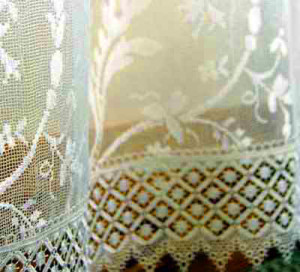
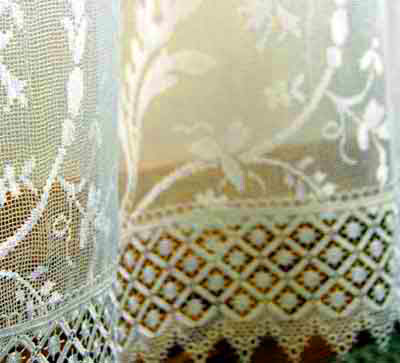
    Coventry bottom hem

    Photo of hem of Coventry lace curtain

  • Essence of you. Prompt #45

    Step 1. Make a list of significant events that have happened in your life. Start with the year you were born . You can list important dates such as the year you graduated, got married, started jobs, vacations. Also, list emotional highs and lows:  betrayals, losses, inspirations, revelations, epiphanies.

    Step 2. Choose specific years from this list and research historical events that happened during those years.

    Step 3.  From your lists: Choose an event that you think people would want to know more about.  Or, choose events that capture the essence of you.

    Step 4: Write about the event. Include specific details and use anecdotes.* Tie in your personal events with historical events. For example:  My junior high friends and I swiveled on cherry-red stools at Woolworth’s in 1962 in San Francisco, not realizing that folks with certain colored skin were not allowed the same privileges in other parts of the world.

    *Anecdote:  A short account of a particular incident or event, especially of an interesting or amusing nature.

    Next step:  Turn this freewrite into a personal essay.  For ideas about personal essay, click on the Just Write category on The Write Spot Blog. 


    Lighting the path for reflection