
Use emotions in your writing.

  • Use emotions in your writing.


    “Readers covet an emotional experience above all else. When you write scenes, use all the methods you can to help your readers feel the emotions you want them to have—sadness, anger, confusion, mistrust, love, lust, envy, greed and so on. If you want readers to hate your character, show him being despicable to someone who doesn’t deserve his wrath or to someone he supposedly loves. The more you draw readers in to the emotional experience, the more they will engage, and the more likely they’ll want to read your next book.”

    Excerpted from the September 2016 issue of Writer’s Digest magazine

    There are over 300 prompts on The Write Spot Blog. Choose one and practice incorporating emotions in your writing. For example:   Physical gestures can reveal emotions . . . Prompt # 211 

    Just write!
     

  • What is it you really want? Prompt #312


    What is it that you really want? 

    Write whatever comes up for you.

    Could be serious, playful, wishful, fun.

    Just write!

  • House Image…  Prompt #311


    Think of a house or an apartment you lived in – either where you grew up or one that comes to you most strongly: a place that seems most pertinent or the place you want to discover more about.

    Use a pen or pencil and draw a blueprint of the house or apartment.

    Sketch the floor plan, include doors (front, back, side), stairs, and each room within the house.  Let your hand and mind be the guides. Don’t worry about getting it exactly correct.

    Use color to explore

    When you feel done with the blueprint, use color to explore the house/apartment and your feelings.

    Color the rooms, or outline the rooms, using the actual or basic color of the walls, the rugs and furniture.

    When you feel done with coloring, write whatever comes up.

    Examples

    The house was yellow I hated that color. It made me think of . . .

    The red front door stood out like . . .

    My pink/blue room was a sanctuary. I could . . .

    I liked the green kitchen best. This is where I . . .

    You can also write opposites:

    The house was yellow. I loved that color. I never realized until now . . .

    The red front door blended in. I never thought . . .

    My pink/blue room was hellish. I could never . . .

    I disliked the green kitchen the most. This is where I didn’t . . .

    Go where your mind wants to go.  Just write.

  • Best or favorite gift, or . . . ??? Prompt #310

    There are tacky gifts, insulting gifts, selfish gifts the giver secretly wants, cheap gifts and re-gifted gifts.

    But some gifts are transcendent. Have you ever received such a perfect gift? One that amazed you with its imagination? Perhaps it was a gift that completely touched your heart, changed your life, or opened a new world. Maybe it was a gift so dear you held on to it for a lifetime.  What was it and why was it so special to you?

    Prompt: Your best gift or your all-time favorite gift.

  • Why I Write. Prompt #309

    There’s a lot going on in the world. Upheaval, turmoil, chaos, unity, freedom, marches, democracy.

    Those are some of the words/concepts I’m thinking as I write this blog post.

    Today’s prompt is similar to my August 12, 2014 blog post, quoting screenwriter and author, Antwone Fisher, about why he writes.

    I write for a variety of reasons: For clarification, to share thoughts, for enlightenment, plus all the things I mentioned in the 8/12/14 post.

    Now, it’s your turn. Why do you write?

  • Create a vignette. Prompt #308

    Many of us have vignettes, little stories of things that happened, that we could write about: Events or situations that enlightened, inspired, or changed us.  All are memorable and could be written. But why? Why should you write these stories?

    “All humans understand and use story on an intuitive level. It’s our most effective teaching tool. It’s how we understand our world, ourselves and each other. It’s how we make and deepen our connections. It’s how we draw meaning from experience.”  — Deb Norton, “Story Structure, Simplified,” WritersDigest, February 2017

    What if there was a recipe for this type of writing like there is for voodoo doughnuts?

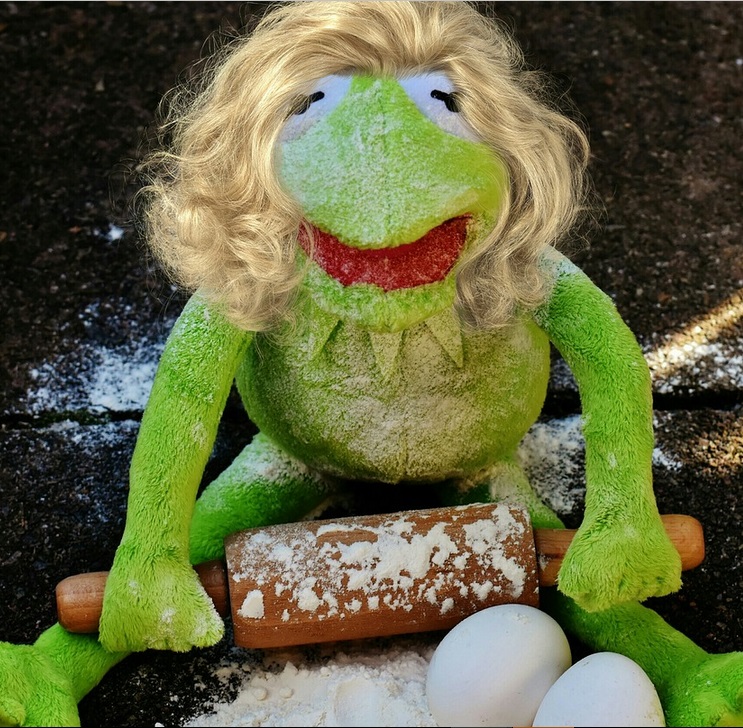
    “Learning when to throw the flour, proper handling of a rolling pin, the intricacies of an old fashion, the ‘flip,’ and countless other tricks of the trade were now in the hands, minds, and notebooks of  Cat Daddy and Tres.”  Voodoo Doughnut

    Recipe for Writing Vignettes

    Learning when to throw in anecdotes, proper handling of strong verbs, the intricacies of memory, the fear of exposure, and countless other tricks of the trade are in your hands and your creative mind. There are many resources to help shape your creation.

    Click Memoir for recipes . . .  how-to ideas . . . for writing anecdotes. Now, get to creating!

  • Figuring out the important thing

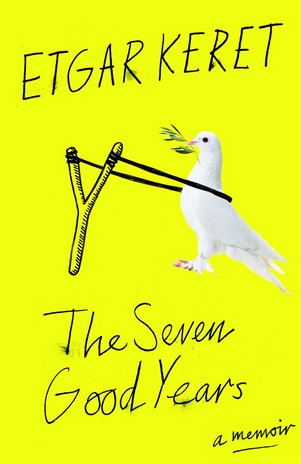
    “Writing essays is like therapy because you’re figuring out: What was the important thing in that incident? ”   —   Etgar Keret

    Keret, an “acclaimed Israeli writer . . . known for his unique and distinctive writing style” began writing essays after the birth of his son.

    “. . . because I’m sensitive about family issues. . . It never stops me from writing it, but it might stop me from publishing it.”  He wrote personal essays to “have a literary tombstone” for his father.  He is able to create work that is “moving and deeply affecting in only a few pages.”

    Excerpted from the February 2017 issue of The Writer magazine.

    Your turn: No pressure to write the next great American novel, just write what you know, what you experience. Write about your trip to the grocery store where you observed an act of kindness or had a weird encounter. Write about your ordinary-to-you holiday event . . . something you will find later and be glad you captured those exquisite moments that you had forgotten:  The funny story your grandfather told, your sweet aunt and her infectious laugh, the annoying presents you received from your equally annoying cousin/uncle/sister/friend. Write the good stuff, the bad stuff and the in-between stuff. Just write.

  • How we affect others. Prompt #307

    It’s after the holidays, when some of us spent time with family.

    It’s inauguration day.  Lots of energy. Lots of emotions.

    Today’s prompt, “How we affect others,” is something I’ve been thinking about for awhile.

    We don’t live in a bubble, immune to the thoughts and emotions of others.

    Today, I suggest writing about how we affect others.

    If that doesn’t work for you, how about:  Do we affect others?   What does that mean?

    I look forward to your response.

  • Despair and broken promises. Prompt #306

    broken-bowl-180-150x135You might know that I facilitate Jumpstart writing workshops. One day, a participant read her freewrite which contained the phrase, “Despair and broken promises.” I immediately thought that would make a great writing prompt.  What do you think?

    And that reminds me, during this season of many deaths, if you need to write a condolence note and are stymied about what to write, take a look at “The Condolence Note – What to Write.”  You might get some ideas.

    Today’s writing prompt:  Despair and broken promises.

    Post your writing on The Write Spot Blog and I’ll offer commentary  . . . always positive.

  • Favorite Recipe . . . Prompt #305

    grits-breakfastDo you have a favorite recipe?

    Write about that recipe . . . where did the recipe come from? What kind of occasion did you have it?

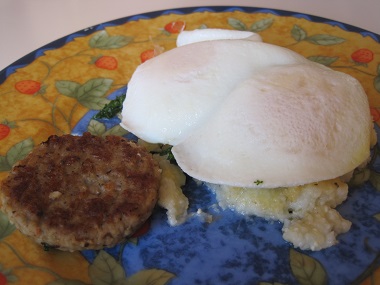
    Photo:  Fried eggs on top of sauteed kale on top of grits, sausage patty on the side. Yum!  My new favorite recipe inspired by a trip to Athens, Georgia, where every meal was delicious!