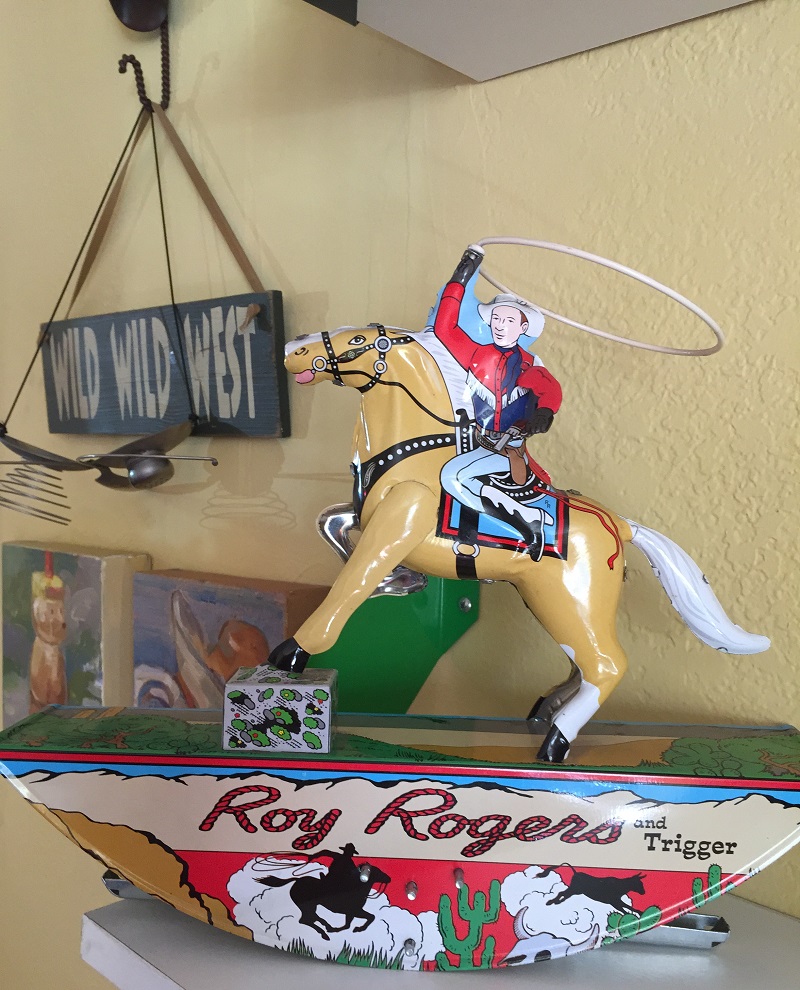
Write about something that was lost or stolen from you or your fictional character.
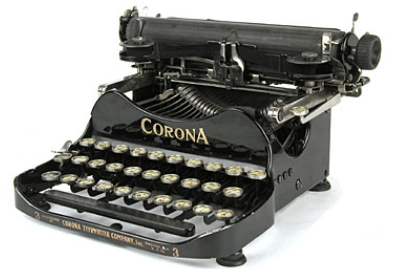 “Portable Corona number 3. That’s my analyst.” — Ernest Hemingway
“Several incidents contributed to social psychologist James W. Pennebaker’s interest in ‘healing writing.’ But when his parents’ visit during college launched a bout of the asthma he thought he’d left behind in the dry Texas of his childhood, he realize climate wasn’t to blame; his emotions were. Once he recognized the connection, the asthma attacks stopped.” —“Writing to heal,” by Gail Radley, May 2017 The Writer magazine.
Pennebaker has conducted multiple studies indicating that writing can lead to healing.
Dr. Edward J. Murray investigated healing through writing and concluded “’It seems that putting our thoughts and feelings into language helps confront them, organize them, and wrest the meaning from them. . .” —Gail Ridley, May 2017 The Writer magazine.
Perhaps we can make sense of our world by using freewrites as a vehicle.
Note: If you are experience troubling thoughts that are disabling or disturbing, please seek professional help.
Posts on The Write Spot Blog about healing through writing
How To Write Without Adding Trauma
Does Your Heart Hurt? Prompt #269
Things Falling Apart is a Kind of Testing
 Today’s writing prompt
Interview yourself or your fictional character, by answering these questions:
How did you get started in your line of work?
How did you become interested in your hobby?
What did you desire at age 12?
What did you desire at age 18?
What did you desire at age 25?
What did you desire at age 26 or older?
What do you desire now?
More ideas on Interviewing Character . . . Prompt #6
 Remember the joke: “How do you eat an elephant?”
“One bite at a time.”
Same with writing memoir . . . one incident at a time.
“Whether your life story has an over-arching motif or you plan to cobble together a montage of more diverse meditations, the project can seem less overwhelming if you approach it as a series of mini memoirs—two-to three-page essays . . . pivotal points. . . in the broader portrait of your life.” Richard Campbell, January 2017 Writers Digest
“The beauty in approaching your life story in terms of mini memoirs is that when it comes to themes, you don’t have to pick just one. Write scenes or vignettes on each theme that speaks to you.
You may find that mini memoirs unfold more naturally than the more unwieldy, longer story you have to tell—and that they build momentum strong enough to carry you through the manuscript.”
More on How To Write Memoir:
How To Write A Memoir – Part One
How To Write A Memoir – Part Two
However you decide to write . . . Just Write!
 Submissions now requested for presentation at the
SONOMA FESTIVAL
of
LIGHT and RHYMED VERSE
Poems due by: May 6, 2017
Festival takes place: May 21, 2017
Time: 1:00 pm-4:30 pm
Location : Trinity Episcopal Church Courtyard, 275 East Spain St., Sonoma, Ca.
Quatrain submissions in one or all of three categories:
4 line
16 lines
24 lines
Please include biography in three lines or less.
For more information, please contact: Patricia Bradley bradley2006 -at – gmail.com
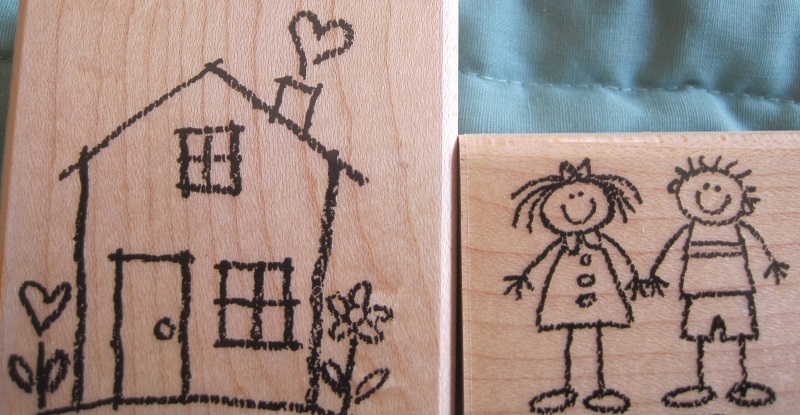 Whether you are writing memoir or fiction, it’s all composed of people and things that happened. It’s smaller stories within larger stories.
Make a list of people and factors that shaped you, during your childhood, teen years, young adult years. What has happened in your life that makes you who you are? We’ll be using these lists later.
Who helped shaped you? Who was influential in your life? Who was important in your young life? Family, family friends, teachers, your friends.
Where did you grow up?
Did you walk to/from school?
What did you do after school?
Who was home when you got there?
What were weekends like? Be brief. You can expand later.
Anything else you want to add – important people and events in your childhood.
Who was important during your teen years? Family, family friends, teachers, your friends.
Where did you live?
Did you walk to/from school?
What did you do after school?
Who was home when you got there?
What were weekends like? Be brief. You can expand later.
Anything else you want to add – important people and events during your teen years.
Who was important in your life during your young adult years?
Where did you live?
Did you work, go to school, volunteer?
Did you have hobbies?
What did you do for entertainment?
Anything else you want to add – important people and events in your young adult life.
Choose something from one of your lists and expand upon it. Write as much as you have to say about it. Use sensory detail: What you saw, heard, felt, tasted, smelled. Write with vivid details so this scene can be seen.
Note: You can expand these lists and use them any time to inspire your writing.
 Write about . . .
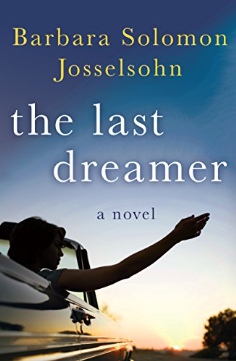 If you have attended a Jumpstart Writing Workshop, you may have heard me say, “There are two kinds of writing I like. One is when the writing speaks to universal truths—something we can all relate to. The other is when the writing speaks to me personally.”
This excerpt from “The Review Rat Race,” a “5-Minute Memoir” by Barbara Solomon Josselsohn expands upon that thought.
“To me, success meant having readers who felt that my novel articulated something important, something they had felt deeply inside but had never been able to express or fully understand before my book came along.” —Barbara Solomon Josselsohn *
That often happens in Jumpstart . . . the writing touches us deeply as the writer articulates in ways that we hadn’t been able to express or understand prior to hearing their freewrite.
* Excerpt from January 2017 issue of Writer’s Digest Magazine.
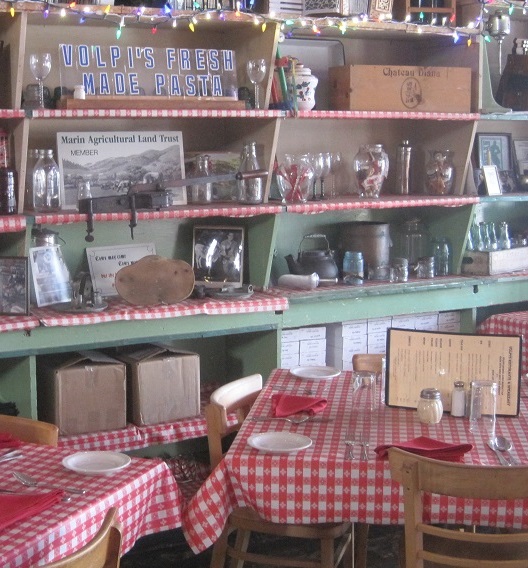 When telling stories, details matter. You know that. Details, especially sensory details, enhance your story and allow your reader to:
~ Fully enter the world you are creating
~Suspend disbelief
~ Connect emotionally with your characters
“All you need to build your setting is in the world around you. Observe, observe, observe.” — Elizabeth Nunez, January 2017 Writer’s Digest magazine.
“. . . like me, you probably wanted to be a writer because you found a lot of joy and pleasure by making up stories in your head. I love living in my imagination—so much so that when I was younger, my siblings would say: ‘Divide everything Elizabeth tells you in half. One half is true and the other is make-believe.’”
Can you relate to that? I bet you can!
“The emotions and conflicts your characters experience can be made more vivid by the setting you choose.”
Nunez gives examples of stories enhanced by setting:
The Sea by John Banville, which opens with “a strange tide, a morning under a milky sky, a bay that swelled and swelled, rising to unheard-of heights. With that beginning, the mood is established for Banville’s moving story about a man who loses his beloved wife to cancer and retraces his past to a seaside cottage, hoping for respite from his grief.”
Middlemarch by Georg Eliot contains “a setting that contrasts with . . . character’s emotions.”
“When the two lovers finally come together, there is not brilliant sunshine, but instead a burst of thunder and lightning. The effect is to convey to the reader the intensity of the passion between the two characters.”
How to set your story in a place you have never been? The obvious answer is to go there. If that isn’t possible, research using tools that give detailed descriptions: Google Earth to see the site, Wikipedia to learn about weather, geographical, historical details. Access newspapers and magazine articles for information using microfiche records (available at libraries). Interview people who lived there. Watch movies. Use your creative imagination to research as much as possible. But don’t spend all your time researching. Remember to take time to write!
Blog posts about using sensory detail:
Imagery and sensory detail ala Adair Lara Prompt #277
33 Ideas You Can Use for Sensory Starts Prompt
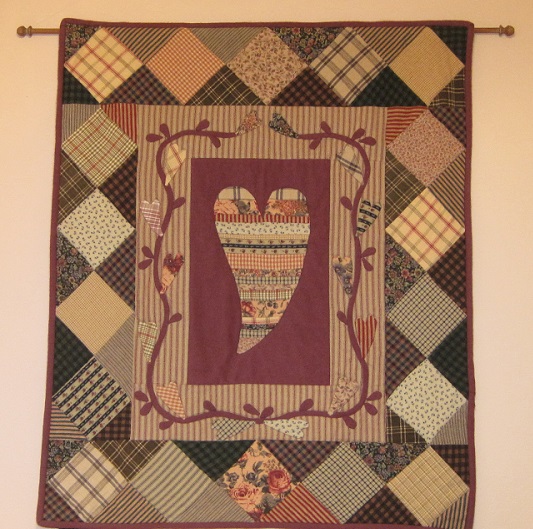 Today’s writing prompt: