 Today’s writing prompt:
If I have to . . .
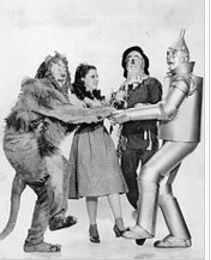 What makes your fictional characters unique? What makes one person different from others?
Write about someone from real life or write about a fictional character who embodies a unique quality.
You can use the following list to describe a special characteristic or trait that sets a person apart from others.
Charisma: charm or personal magnetism (from the Greek word meaning “favor”)
Chutzpah: admirable or excessive self-confidence; this word and ginger are the only ones on this list that have both positive and negative connotations (from Hebrew by way of Yiddish; several other spellings are used, but this one is the most common)
Élan: enthusiasm
Esprit: vivacious wit (French, from the Latin term spiritus, “spirit”)
Flair: style, or talent or tendency
Ginger: spirit, or temper
Gumption: initiative
Gusto: enthusiasm (the Italian word for “taste,” from the Latin term gustus)
Je ne sais quoi: a quality not easily described or expressed (a French phrase that means literally “I know not what”)
Knack: intuitive capacity or knowledge (originally meant “trick”; perhaps from the onomatopoeic word akin to knock)
Mettle: vigor, stamina (from an alternate spelling of metal)
Moxie: energy, enthusiasm, courage (from the brand name of a soft drink; early on, such beverages were often touted, long before the advent of energy drinks, as providing pep)
Panache: flamboyance; originally, a decorative plume of feathers on a helmet
Pizzazz: glamour, vitality (unknown etymology)
Spunk: courage, pluck
Verve: vivacity, energy, enthusiasm
Adapted from Daily Word, 2012
Letter To A Young Activist During Troubled Times by Clarissa Pinkola Estes
One of the most calming and powerful actions you can do to intervene in a stormy world is to stand up and show your soul. Soul on deck shines like gold in dark times. The light of the soul throws sparks, can send up flares, builds signal fires, causes proper matters to catch fire. To display the lantern of soul in shadowy times like these – to be fierce and to show mercy toward others, both, are acts of immense bravery and greatest necessity. Struggling souls catch light from other souls who are fully lit and willing to show it. If you would help to calm the tumult, this is one of the strongest things you can do. There will always be times when you feel discouraged. I too have felt despair many times in my life, but I do not keep a chair for it; I will not entertain it. It is not allowed to eat from my plate. The reason is this: In my uttermost bones I know something, as do you. It is that there can be no despair when you remember why you came to Earth, who you serve, and who sent you here. The good words we say and the good deeds we do are not ours: They are the words and deeds of the One who brought us here. In that spirit, I hope you will write this on your wall:
When a great ship is in harbor and moored, it is safe, there can be no doubt. But that is not what great ships are built for. This comes with much love and a prayer that you remember who you came from, and why you came to this beautiful, needful Earth.
Note from Marlene: In troubled times: Write. In happy times: Write. Write to celebrate, write to remember, write to recognize, write to be heard. Write to share.
And listen . . . to others . . . to whatever noises there are. Be silent when listening. Notice. Observe. Just listen. And then . . . Just Write.
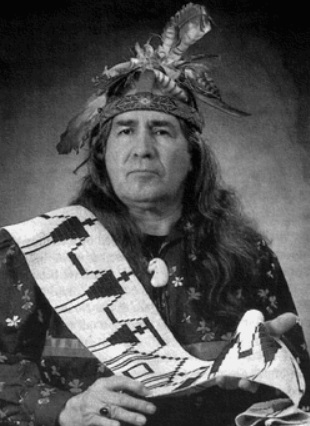
“Life will go on as long as there is someone to sing, to dance, to tell stories and to listen.” —Oren Lyons
Share your story at: StoryShelter, “a free service that lets you write down the personal stories of your life, save them and selectively share them. StoryShelter was founded in 2012 by Melisa Singh.”
Write about your greatest fear.
Scary thought? Well, yeah . . . But, you know that writing about your greatest fear doesn’t make it come true.
Take a deep breath and write. Take many deep, nourishing breaths as you write.
Emotional Freedom Technique tapping can help calm your fears and worries.
Tap With Brad Yates — hundreds of youtube videos, with an amazing array of topics for tapping.
http://www.tapwithbrad.com/brad-yates-videos/

“If we write about our pain, we heal gradually, instead of feeling powerless and confused, and we move to a position of wisdom and power.” — Writing As A Way of Healing by Louise DeSalvo
 Use the difficulties in your life and represent them in your writing. Describe the difficulties as if writing a scene in a novel. Look at your situation from a different point of view – from that of a character in a story.
When your writing becomes too difficult, stop. Take a break. Take a walk. Treat yourself to a glass of iced tea or hot apple cider. Wash your hands with special scented soap. Do something physical to relax your mind.
Use a focal point as a reminder to relax and breathe deeply. A focal point is anything you like to look at: in your home, your writing environment, or outside.
Have a plan for when you are feeling overwhelmed and need relief from emotional tension while you are writing.
Prepare a healthy snack before you begin to write. When the writing gets difficult, take a few minutes to nurture yourself, whether it’s food, or a visual treat – look at a pleasant picture or a memento that has good memories for you, or being physical – Go for a walk, a run, move around.
This type of self -care can be very empowering and gives you some control in your present situation where you didn’t have control in a past experience.
Use your writing to heal, being careful to not re-traumatize yourself. This way, you can benefit from the healing potential of telling your story.
Practice writing about your past without it overwhelming you.
“If we write about our pain, we heal gradually, instead of feeling powerless and confused, and we move to a position of wisdom and power.” — Writing As A Way of Healing by Louise DeSalvo
 Five Points: A Journal of Literature and Art welcomes unsolicited submissions of fiction, poetry, and literary non-fiction.
Deadline: All categories have a December 1 deadline. Entry fees range from $2.50 to $25.
Send three previously unpublished poems no more than fifty lines each.
Simultaneously submitted manuscripts are accepted.
$25 Entry fee includes a one-year subscription.
Winner receives $1000 and will be featured in an upcoming issue of Five Points.
Each essay should be no longer than 7500 words.
Reading Period 2 is: Jan. 11 through March 31
Each story should be no longer than 7500 words. Reading Period 2 is: Jan. 3 through March 31.
Each poem should be no longer than fifty lines. Reading Period 2 is: Jan. 3 through March 31.
Up to 500 words maximum.
Maximum 250 words.
Note from Marlene: Good Luck!
 Prompt 298 on The Write Spot Blog suggests that you write about a difficult time.
Thinking about a difficult time:
Take the role of counselor . . . If you could step out of the box that contains The Difficult Event and look at it from the point of view of a counselor:
What would you advise this person, or these persons, to do?
Then:
Take the side of one of the persons involved. Write from his/her point of view.
And then:
Write about the situation from another person’s point of view.
For a good read about an interesting point of view: Fire Angels by Elizabeth Kern.
This past year has been difficult for me (Marlene), not just during the long month of November.
I have been playing catch up all year, trying to whittle down my never-ending to-do list. Susan Bono’s guest blog post reminds me to stop, notice, and savor the moment.
Susan writes:
Even those of us who start the day with a list know what it’s like when unplanned-for events start coming our way. In spite of our intentions, we start tackling the unscheduled instead of working on what we had planned. Emergencies come up, of course; we can’t control everything. No one can plan for bad news or times we are suddenly needed. But the list of unanticipated tasks is endless, and after a while, we just start doing what comes to us, instead of what we had intended.
You should have days when you follow your bliss. In fact, have them as often as you like, but the trick is in telling yourself right from the start, “Today I’m going to do whatever I feel like.” But a plan that’s been ignored is a sign of defeat, and most of us have long range goals—I mean, who doesn’t? So whenever you miss an opportunity to complete an intended task, you are altering the look of your Big Picture.
Whether you regularly schedule too much for yourself or sell yourself short, you’ll benefit from the TL list. TL stands for “Tough Luck,” because that’s what you say to anything that’s not on it. If you can complete your assigned tasks, then let the spirit of que sera, sera take over.
So tomorrow, do whatever is in your power to follow your list. The more in control you become in this area of your life, the fewer details your list will need to contain, but for tomorrow, make a schedule of what you think will cover every hour of your day. Include meals, personal care, regular errands, like carpooling, time sinks like phone calls, TV, or email. Now fit your to-do list into that existing framework. How much time do you really have?
Once you’ve made your list, do your best to stick to it. Each time you say, “Tough luck” to extraneous chores, you are giving yourself a big helping of Tough Love. You are proving to yourself and the world that the work you set out to do is important, and so are you.
See if you can love yourself enough to use the TL list until you discover what your true desires and capabilities are. As you plan your list for each tomorrow, note any substitutions you made earlier that day. Did you trade a trip to the grocery store for a surprise phone call from an old friend? Did you not get the ironing done because you couldn’t put down that exciting book you were reading at lunchtime? Were your “failures” or trade-offs satisfying, or did they leave you wishing you could have a do-over?
It’s important not to beat yourself up, because maybe what you really need is to make room for more fun. You can start scheduling that in, too, as you transfer whatever’s undone from the day’s list onto tomorrow’s. And if you’ve really missed the boat on some assignment you’ve given yourself, give it a decent burial. If what you failed to accomplish alters the Big Picture, accept this change with grace and trust that you were meant to change course anyway. As you learn to work with the TL list, you will internalize its rhythms and you won’t need to write everything down. But when you feel yourself getting out of control, you can always use this method to get yourself on track again.
We can’t control what life does to mess up our plans. But we can eliminate our own tendencies to sabotage ourselves. You’ll know when the TL list is working when you stop being so mad at yourself and start building a list of your accomplishments. That’s when Tough Luck goes beyond Tough Love and becomes True Love.
 Susan Bono, author of What Have We Here: Essays about Keeping House and Finding Home, was once a high school English teacher, is now a freelance editor, and has been facilitating workshops, critique groups and free-writing classes for more than 25 years. She was the editor and publisher of Tiny Lights: A Journal of Personal Narrative from 1995—2014.