Loss

  • Loss

    Guest Blogger Sharon Ziff writes:

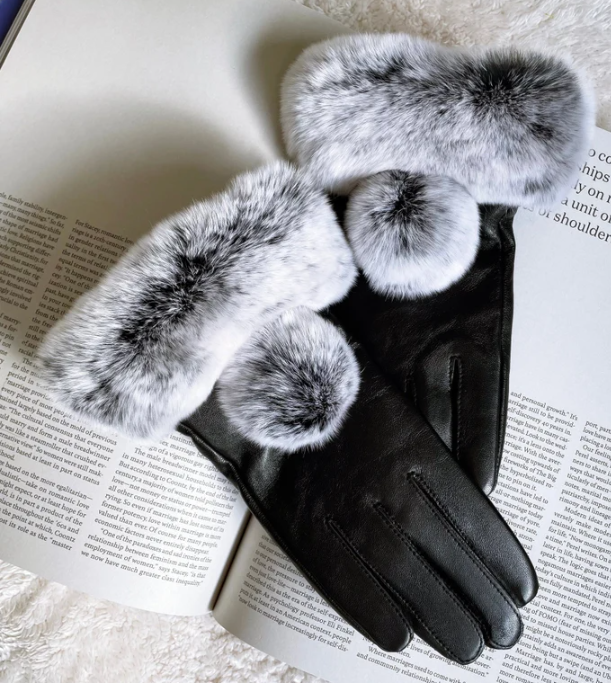
    I lost my gloves—the ones I bought in Venice last year. I loved them. LOVED THEM. How could I love a pair of gloves? They had a soft, fluffy pompom on the top. I liked to stroke them. It was like petting a kitty. Sadness. And upset with myself for losing them.

    So I lost a pair of gloves. How could I feel this deep emotion for a pair of gloves? It’s the attachment to my experience in Venice and my love for the friend I was with.

    Loss is a recurring theme in my writing. At times, I struggle to manage the intense feelings that accompany loss. There’s a burning sensation in my belly that I want to go away. I find myself thinking, “No, no, no,” while tears begin to flow. It’s not about the lost gloves; it’s about the impermanence of life.

    To cope, I have established a gratitude practice, focusing on appreciating the little things. Friendships are crucial in supporting me through my feelings and creating a safe place for expression. I have friends with whom I can laugh after the tears have flown.

    Meditation and journaling help me process my emotions and provide a calming effect. I also have a favorite playlist that serves as a therapeutic outlet, allowing  me to reflect and connect with positive memories.

    Change and loss are a part of life. Aging brings about losses with a decline in health. You may slow down and cannot do everything you did when you were younger. Retirement brought changes. You are adjusting to a new routine or lifestyle you may not have anticipated. Give yourself time. What are some of your passions that can still provide you with a fulfilling life? Focus on them.

    We can be prepared for change and build resiliency as we age. Prepare for the practice of accepting what is.

    As Frank Ostaseski writes in “Five Invitations,” Welcome everything, push away nothing. It doesn’t mean you have to like it. Then focus on what you can do.

    Embrace the joys. As the song goes, “Accentuate the positive, eliminate the negative, and don’t mess with mister in between!”

    Sharon Ziff, RN, spent twelve years as a Hospice Nurse where she learned about end-of-life issues and the importance of the preparations to die with dignity.

    Sharon is certified in the “Authentic Presence: Contemplative End of Life Care Training,” a specialized program, and is committed to providing the Community Education Project called “Let’s Speak About Death.”

    Links to The Write Spot Blog posts about loss:

    How to Write About Your Loss

    Healing Starts When You . . .

    Writer Wounds and Scar Tissue

    The Write Spot: Writing as a Path to Healing” contains lists of valuable resources, including the restorative power of putting uncomfortable memories to paper.

  • Write About Your Loss

    Write About Your Loss

    By Ninette Hartley

    “Well, he has a broken leg but that’s the least of his problems. He has suffered some trauma to his head. In this country we . . . how can I put it? . . . we would say he is brain dead.”  

    On the 13th of January 2011 my twenty-seven-year-old son Thomas was rushed to intensive care in Porto, having fallen through a skylight whilst searching for somewhere to paint graffiti. I received a phone call from a doctor in the hospital, and when I asked her how bad it was she explained his injuries to me. Her English was good, but I couldn’t quite take it in.

    His step-father and I had to get from Italy (where we lived at the time) to Portugal as quickly as we could. The hospital was waiting impatiently for me, his next of kin, to arrive so that I could give permission for his organs to be donated. His partner and my other four children came to Portugal, travelling from Australia, Singapore and England. Together we moved through the days after the accident supporting each other. 

    When I look back now, I remember those first few days as a sort of numbness. I floated around in a mist of confusion and disbelief, with grief knocking me sideways when it arrived without warning in erratic bursts. The paperwork and tasks that have to be attended to after a death do, to a certain extent, distract the newly bereaved for some of the time. Funeral arrangements, cremation, bringing the ashes home; there was a great deal to organise. Then when all that was over, my children returned to their own lives, my husband and I to Italy, it was then I realised I needed some other kind of support. 

    I found it in writing creative non-fiction. 

    I began to write a letter to Tosh (his nickname) just to tell him what was going on. I wrote eight thousand words that were meant to be just between us. I never intended to share those words but as the years went by my writing became more important to me. I enrolled for online courses, began creating poetry, wrote short stories and flash fiction. A play and even a novel. But I kept coming back to Dear Tosh.  In September 2019, I was accepted onto the MA in Creative Writing Course at Exeter University and I completed that in 2020. For one module I pulled out my letter to Tosh and began to re-structure it into something that I felt I could share with others; at that time, it was just 5000 words.

    For the tenth anniversary of his death, I completed Dear Tosh, my first memoir, which was published in May 2021. It’s made up of twenty-seven letters, one for each year that he lived. It felt as though I spent time with him as I wrote, telling him all the events that had happened in the family and the world since he left us. I found it therapeutic to write, and even though it opened up the wounds of loss, it also helped me come to terms with so much that surrounds the loss of a child. One of those things for me, was the organ donation. I had no counselling for this, and the whole idea of it haunted me like a recurring dream for months and years after his death. Writing about it, sharing my feelings with Tosh, actually exorcised my fears and I was able, at last, to accept it. 

    Writing the book wasn’t all doom and gloom. Much of it made me smile and even laugh out loud — and readers often have the same reaction — so many memories brought back, of fun times with the family when the children were little. I have a strong sense of humour and realise that I have passed this on to my children and that it comes through in my writing.

    Writing saved my mental health, I’m sure of it. I would urge anyone to write about their loss in any way they can. It doesn’t matter if it’s never shown to anyone. The act of writing your innermost feelings can act as therapy. Grief may be difficult to share verbally but writing it down is a release and you never know, it might turn into a beautiful work of creative non-fiction. 

    “Write About Your Loss” first appeared on Brevity’s Nonfiction blog on July 2, 2022.

    Ninette Hartley is a writer, mother, grandmother, wife and teacher. She has followed many paths – from acting and dancing to magazine publishing, and even driving a pony and trap – but she has always come back to storytelling.

    Ninette has an MA in creative writing and has been published in three short story collections. Her first memoir Dear Tosh, published in May 2021 has been shortlisted in the Selfies Book Awards and long-listed in the Dorchester Literary Festival Writing Prize 2022 (shortlist and winner announced in August 2022). In 2015 she was shortlisted for the Fish Publishing Short Memoir Prize, and was longlisted for the Poetry Prize in 2020. She has won or been placed in several flash fiction competitions.

    After eight years living in rural Italy she moved to the Dorset countryside with her husband, Geoff, and beloved rescue dog, Jpeg. 

    Find more from Ninette on her website www.ninettehartley.com 

    Ninette and Baby Tosh