Write about a time you were late.
Write about something it’s too late for.
Something you wish you would have said, but now it’s too late.
Something you wish you would have done, but now it’s too late.
Or is it?

Write about a time you were late.
Write about something it’s too late for.
Something you wish you would have said, but now it’s too late.
Something you wish you would have done, but now it’s too late.
Or is it?

A word that contains a synonym:
masculine = male
honorable = noble
blossom = bloom
action = act
balderash = blah
damsel = dame
dazzle = daze
addlepated = addled
aggravated = grated
breathe = be
cartoon = art
chocolate = cocoa
falsified = lied
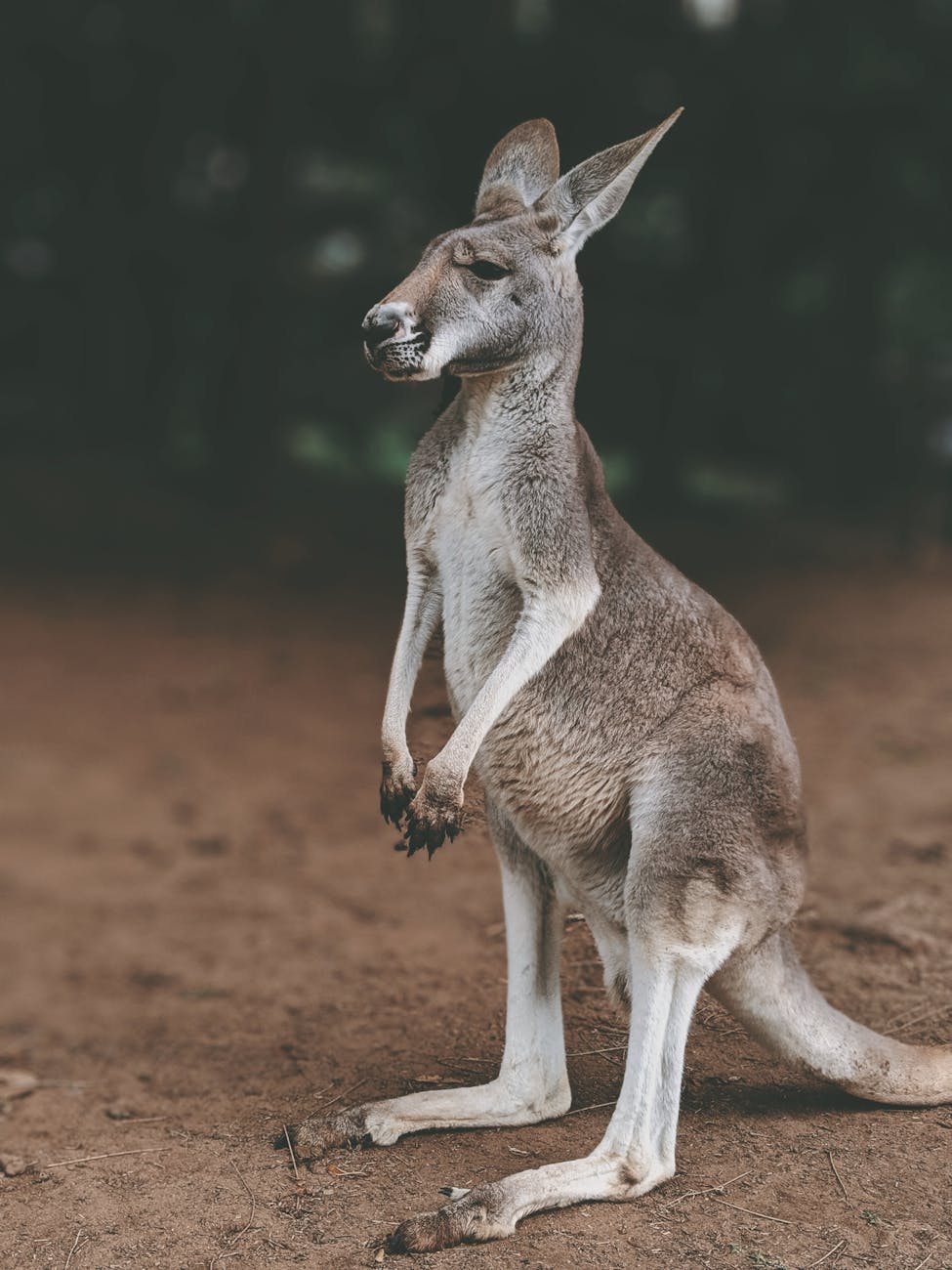
Writing Prompt: Use kangaroo words in your writing.
Find other kangaroo words.
Inspired from San Diego Writers, Inc Facebook post
Just Write!

On my next birthday, I will be (___) years old.
It’s a big deal, because . . .
It’s not a big deal, because . . .
If neither money nor health/mobility were issues, here’s how I would celebrate my birthday . . .
At my age, my parents . . . . or my grandparents . . .
Just Write!

Brief definition: A hero or heroine goes on an adventure, is victorious, and is transformed.
This can be fiction or memoir.
Examples:
Dorothy in Wizard of Oz
Kerrin in Amoran, recently published by Debra Koehler
If you were to write a story of your life, or a real person’s life, or your fictional character life as a hero’s or heroine’s journey, what would the lowlights be?
The highlights?
What obstacle did you or your character overcome?
Write a scene where there is a conflict: Someone wants something. There is an obstacle.
Does the character get what they want?
Prompt: Write a scene involving a conflict or overcoming an obstacle.


Writing Prompt: Use a situation from real life.
Or: Make up something that could have happened with either a real person or a fictional character.

Prepare to write:
Get into the head of the character, real or fictional, that you want to write about. This could be a younger version of yourself.
See that character.
Notice their skin. Is it youthful? Smooth? Wrinkly? Sagging?
Notice their hair: Color, style, neat, messy
Look into their eyes, notice the main color, the subtle colors. Do their eyes look tired? Energetic? Hopeful? Hopeless?
How do they sound? Clear voice? Raspy? Slow talker? Fast talker?
What type of personality are they?
Usually happy?
Cheerful?
Grumpy?
Modest?
Full of themselves?
How does that person walk?
How do they move?
Become that person, that character. It could be a younger you.
Walk around as if you are the person you are going to write about.
Pantomime an action, or activity, the character might do.
Fully embody that person.
Walk around for about 3 minutes.
As you walk, imagine you are the character you have in mind.
Feel that character in your body.
After walking, write about what you just experienced.
Then, write a conversation or an interaction from real life or imagination, with the character you just inhabited.
Possible sentence starts:
You always . . .
I hate it when you . . .
I love when you . . .
Why didn’t you . . .
Remember when . . .
I thought . . . and then I learned . . .
In my mind, the trouble started when . . .
This exercise was inspired by author and writing teacher B. Lynn Goodwin.

Writing Prompt:
Write a December memory.
#justwrite #iamawriter #iamwriting

In “Giving Up The Ghost” by Samantha Rose, Sam explores the possibility of having a relationship with someone after they die.
Writing Prompt:
If you have lost a loved one, in what ways have you continued the relationship?
Or
Write about someone who has passed as if you were introducing them.
For example, “This is my grandmother, she sews all her clothes and makes noodles from scratch.”
Bring this person to life as if they were in the room, or right around the corner.

Prompt 1
Make a list of things that are hard for you to do.
Prompt 2
Write about one of those things that are hard, and yet you do it anyway.

Write about something someone thinks about you, but it’s not true.
A misconception.
Just Write!

Playing With Abstract Poetry
Abstract poetry is a form of poetry that prioritizes the auditory and emotional impact of words over their literal meaning or conventional grammatical structure.
Prompt 1 – The Warmup
Write for 2 minutes about something troubling or sad.
Write for 2 minutes about something using the opposite emotion: joyful, hopeful.
Write for 2 minutes on something from nature, something from the natural world.
Keep that writing nearby for Prompt 2.
Why write an abstract poem
“Science has shown that when we engage in play, we increase brain activity in the prefrontal cortex, where creative thinking happens.
“You are not striving for perfection. You’re striving for perfectly unpredictable.” — “Words Gone Wild,” by Dr. Finnian Burnett, Writers Digest, Nov/Dec 2025
Prompt 2
Write an abstract poem, using only the words you have written in Prompt 1. Write for 15-20 minutes. It doesn’t have to make sense. It shouldn’t make sense!
Intro to Prompt 3
Homophonic: Words that sound alike, spelled the same, different meaning
Rose (flower) and rose (past tense of rise).
Or, sound alike but different letters: carat, carrot, caret (blinking cursor)
Examples
Dylan Thomas, Under Milk Wood: “The shops in mourning” where mourning can be heard as mourning or morning.
Thomas Hood, Faithless Sally Brown, birth & berth and told & toll’d
Homophones of multiple words are known as oronyms.
Examples of oronyms:
ice cream and I scream
depend and deep end
this sky and this guy
some others and some mothers
night rain and night train
my newt and minute
Prompt 3 Mistranslation
This exercise is homophonic translation: Changing text in one language into another language, with no attempt to preserve the original meaning.
Translate one of the following poems any way you want. You can use the method of what it sounds like. Or what the shapes of the letters suggest to you. There is no wrong response.
Your translation does not have to make sense. Have fun with this!
1. Můj manžel a já jsme stáli společně v nové nákupní centrum
která byla čistá a bílá a plná možností.
Byli jsme chudí, takže jsme rádi projít obchody
protože to bylo jako chůze přes naše sny.
V jednom jsme obdivovali kávovary, modrá keramika
mísy, opékače topinek velký jako televize.
2. my eggenoot en Ek het gestaan saam in die nuwe winkelplein
wat was skoon en wit en vol van moontlikheid.
ons was arm so ons gehou van om te loop deur die stoor
sedert hierdie was soos stap deur ons drome.
in een ons admireer koffie vervaardiger se, blou pottery
bakke, toaster oonde as groot as televisies.
Credit to writing teacher Terry Ehret, who first introduced me to abstract poetry and homophonic mistranslation.
Contact Marlene at cullenmarlene – at – gmail if you want the languages and translations for these poems.
Just Write!