
Habits! Write about your habits. Or write about someone’s habits.
Do these habits annoy you?
Endear you to the person?
Habits. We all have them.
Now, write about them.
Habits! Write about your habits. Or write about someone’s habits.
Do these habits annoy you?
Endear you to the person?
Habits. We all have them.
Now, write about them.
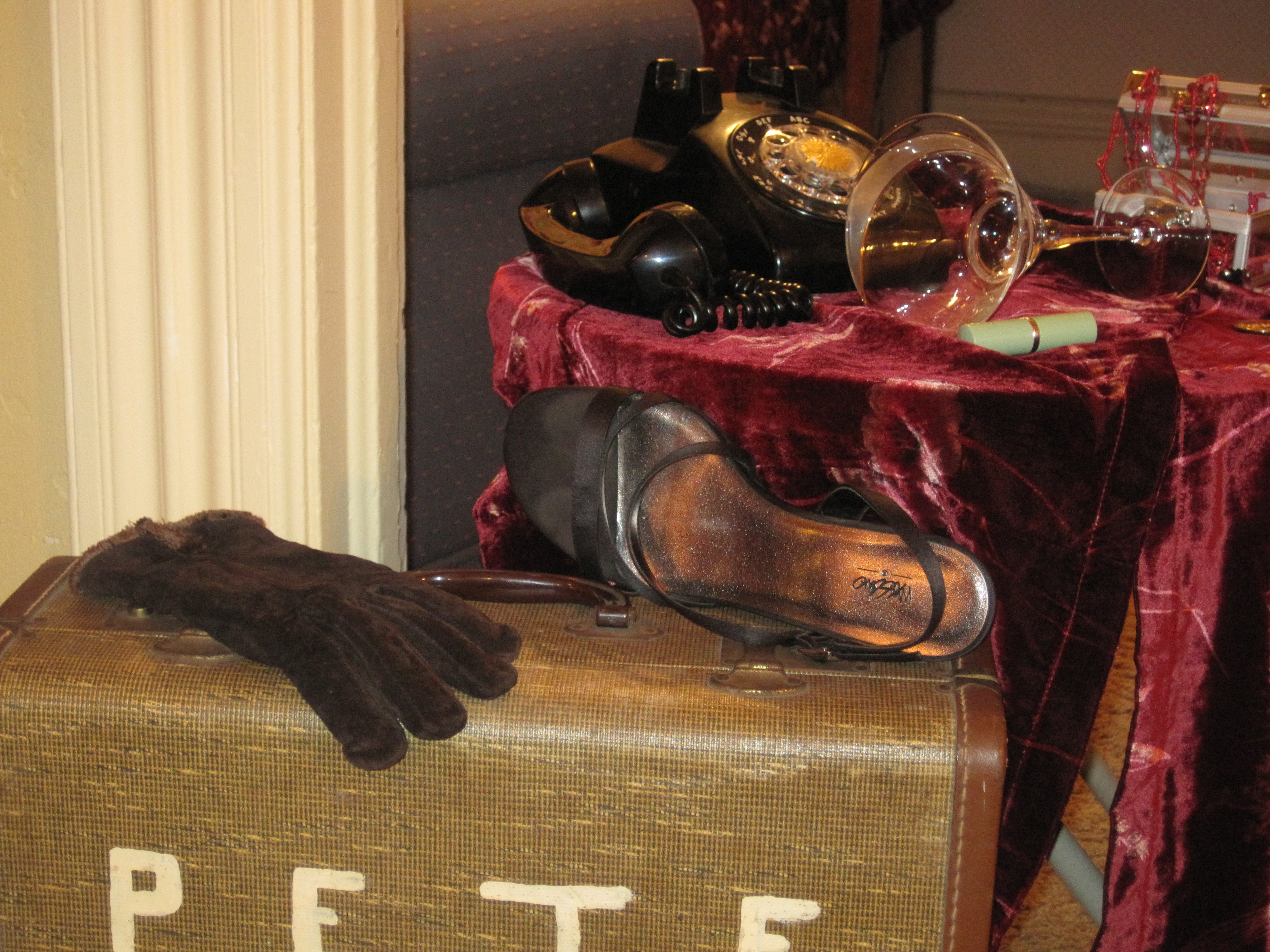
 Set the Scene: Location, Timeframe, Characters
Location: Pick one: cruise ship, theme park, bar, parlor, or a location of your choice
Timeframe: Current, Past (what year?), Future (what year?)
Develop Characters
Character #1:
Name:
Nickname:
Personality trait most proud of:
How did character get this trait?
What do people least like about character?
What habit would character like to change?
If someone looked in character’s bathroom garbage right now, what would they find:
What scent does character like the most, and what does it remind him/her of?
What scares the character?
Character #2:
Answer the same questions for Character #2.
Writing Prompt: Use the following words in a conversation between these two characters.
The last time – How dare you – Explode – Blame – Fire – Party – Light – Dark – Attitude – Box – Present – Water
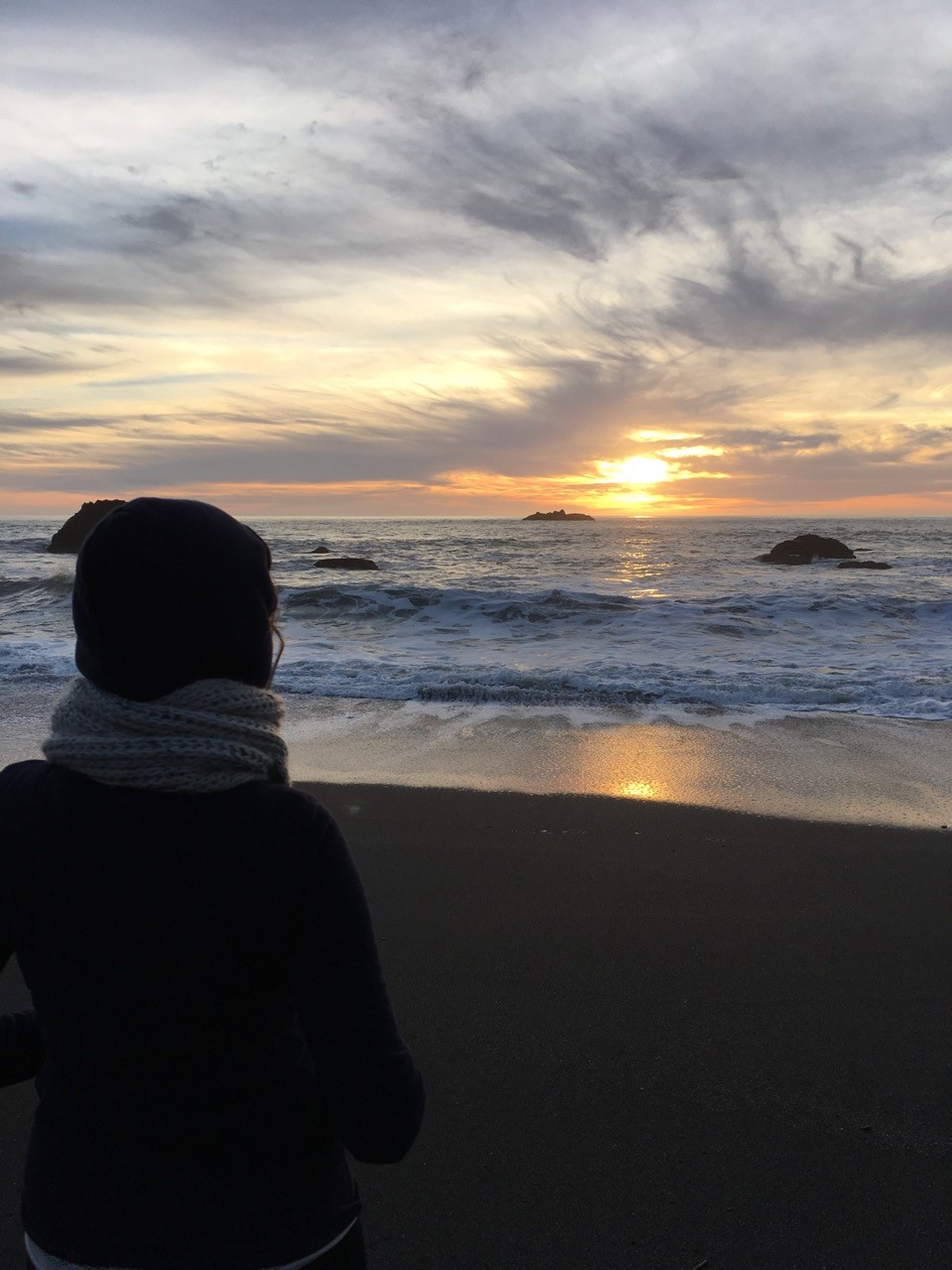
Photo by Christina Gleason
 Ready to explore? Today’s writing prompt invites you to look at your old stories in new ways. Perhaps you can rewrite your story.
Excerpt from October 2016 Reader’s Digest, “Down Off The Cross,” by Debra Jarvis, a chaplain and cancer survivor.
“Let’s say I meet you on a bus. We really hit it off, but I’ve got to exit soon, so you’re going to tell me three things about yourself that help me understand who you are, that get at your essence.”
Back to the article:
“Of those three things, is one of them surviving some kind of trauma, like being a cancer survivor, a war survivor, or an abuse survivor?”
Note from Marlene: Or perhaps you are currently experiencing a difficulty or a trauma.
Back to the article: “Many of us tend to identify ourselves by our wounds.
Claim your experience; don’t let it claim you.
The way to cope with trauma, loss, or any other life-changing experience is to find meaning. But here’s the thing: No one can tell us what that meaning is. We have to decide what it means. And that meaning can be quiet and private—we don’t need to start a foundation, write a book, or work on a documentary. Instead, perhaps we make one small decision about our lives that can bring about big change.
If you find yourself repeating your survivor story: Get down off your cross.
When you repeat your survivor story, you aren’t processing your feelings—you are feeding them.
Let your old story go so that a newer, truer story can be told about who you are.
Claim your trauma as an experience instead of taking it on as your identity.
It could mean the end of being trapped by your wounds and the start of defining yourself by who you are becoming.
We’re all on this bus together. What story are you going to tell?”

Grief by Gwen Flowers
I had my own notion of grief
I thought it was a sad time
That followed the death of someone you love.
And you had to push through it
To get to the other side.
But I’m learning there is no other side.
There is no pushing through.
But rather,
There is absorption.
Adjustment. Acceptance.
And grief is not something that you complete.
But rather you endure.
Grief is not a task to finish,
And move on,
But an element of yourself —
An alteration of your being.
A new way of seeing.
A new definition of self.
###
There have been many deaths this July 2017. This poem came across my Facebook feed on the day of my dear friend’s memorial service. It’s given me some things to think about. Maybe it will cause you to pause and ponder, too.
~Marlene
 “Portable Corona number 3. That’s my analyst.” — Ernest Hemingway
“Several incidents contributed to social psychologist James W. Pennebaker’s interest in ‘healing writing.’ But when his parents’ visit during college launched a bout of the asthma he thought he’d left behind in the dry Texas of his childhood, he realize climate wasn’t to blame; his emotions were. Once he recognized the connection, the asthma attacks stopped.” —“Writing to heal,” by Gail Radley, May 2017 The Writer magazine.
Pennebaker has conducted multiple studies indicating that writing can lead to healing.
Dr. Edward J. Murray investigated healing through writing and concluded “’It seems that putting our thoughts and feelings into language helps confront them, organize them, and wrest the meaning from them. . .” —Gail Ridley, May 2017 The Writer magazine.
Perhaps we can make sense of our world by using freewrites as a vehicle.
Note: If you are experience troubling thoughts that are disabling or disturbing, please seek professional help.
Posts on The Write Spot Blog about healing through writing
How To Write Without Adding Trauma
 Remember the joke: “How do you eat an elephant?”
“One bite at a time.”
Same with writing memoir . . . one incident at a time.
“Whether your life story has an over-arching motif or you plan to cobble together a montage of more diverse meditations, the project can seem less overwhelming if you approach it as a series of mini memoirs—two-to three-page essays . . . pivotal points. . . in the broader portrait of your life.” Richard Campbell, January 2017 Writers Digest
“The beauty in approaching your life story in terms of mini memoirs is that when it comes to themes, you don’t have to pick just one. Write scenes or vignettes on each theme that speaks to you.
You may find that mini memoirs unfold more naturally than the more unwieldy, longer story you have to tell—and that they build momentum strong enough to carry you through the manuscript.”
More on How To Write Memoir:
How To Write A Memoir – Part One
How To Write A Memoir – Part Two
However you decide to write . . . Just Write!
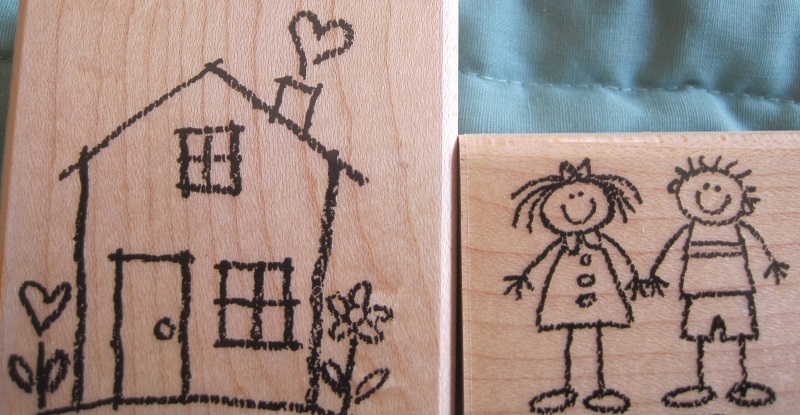 Whether you are writing memoir or fiction, it’s all composed of people and things that happened. It’s smaller stories within larger stories.
Make a list of people and factors that shaped you, during your childhood, teen years, young adult years. What has happened in your life that makes you who you are? We’ll be using these lists later.
Who helped shaped you? Who was influential in your life? Who was important in your young life? Family, family friends, teachers, your friends.
Where did you grow up?
Did you walk to/from school?
What did you do after school?
Who was home when you got there?
What were weekends like? Be brief. You can expand later.
Anything else you want to add – important people and events in your childhood.
Who was important during your teen years? Family, family friends, teachers, your friends.
Where did you live?
Did you walk to/from school?
What did you do after school?
Who was home when you got there?
What were weekends like? Be brief. You can expand later.
Anything else you want to add – important people and events during your teen years.
Who was important in your life during your young adult years?
Where did you live?
Did you work, go to school, volunteer?
Did you have hobbies?
What did you do for entertainment?
Anything else you want to add – important people and events in your young adult life.
Choose something from one of your lists and expand upon it. Write as much as you have to say about it. Use sensory detail: What you saw, heard, felt, tasted, smelled. Write with vivid details so this scene can be seen.
Note: You can expand these lists and use them any time to inspire your writing.
 Write about . . .
 Your favorite time of day.