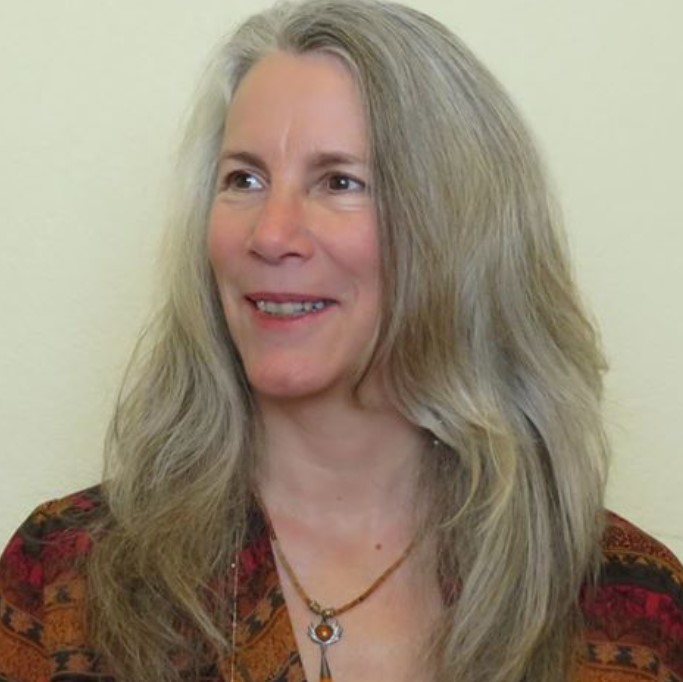
Cheryl Moore grew up in the mid-west, went to college in San Francisco, then lived in foreign lands before returning and eventually settling in Sonoma County.
In recent years, she lives in a house and garden where deer nibble on roses, raccoons dine on fallen figs, and her bird feeders are busy.
A nearby river offers opportunities to observe waterfowl.
Seeing and writing about these miracles of nature are adventures in living.
Today’s Guest Blogger Jean Grant Sutton writes about why we are stressed.
The Great ‘Post Covid’ Unwinding It has become so very clear to me of the havoc that has been wreaked on our world from the Covid Pandemic. Of course, for most of us the disruption to our financial stability is still having ripple effects. For those in small business or even those that lost jobs or needed to let their job go because of the lockdown may still be struggling to get back above water.
Where I am experiencing the most clarity of devastation is in our human nervous system.
With the knowledge of physiology and how we are wired in our brainstem for survival, I personally feel and witness in others the huge contraction that was triggered by this threatening virus.
Huge repercussions to many connected systems take place when the stress response is activated as it has been.
This is called Stress Response Hyperstimulation.
We know there was a huge stress response activation globally, we were put on lockdown, isolated and masking for most of 2 years.(Some people are still for their various reasons)
What happens when the stress response is activated and hyper-stimulated is well documented in our health sciences. If affects all systems, organs, glands in various ways that can lead to so very many symptoms of dis-ease.
Heart palpitations, Chest pain, Dizziness, Lightheadedness, Muscle weakness, Numbness, Tingling, Weak limbs, Asthma, Anxiety, Chronic pain, Back pain, Chronic fatigue, Insomnia . . . the list goes on.
I bring this to your attention to help support your understanding of the need to be sure to do whatever is necessary to help unwind the layers of stress in order to come back to homeostasis and equilibrium in your body/mind systems.
Doing a Daily Deep Relaxation like ‘savasana‘ the resting pose has shown to relax the central nervous system and return it to healthy ‘rest and digest’ functioning. Consider creating a new habit for yourself. Every day take 7-10 minutes to lie down on floor and let the sensory awareness of your body prevail. The results may surprise you in how you feel.
Another resource for calming the nervous system: Sankalpa.
“Sankalpa is your heartfelt mission, said in a short phrase or sentence, clearly and concisely expressed, using a present tense “I” statement. It is said to ourselves in the present tense because it is in the now, as it is really only now all the time. This sustains your inner felt sense of purpose, meaning, and value.”
Jean Grant-Sutton’s approach to Integrative Yoga Therapy, is based on a vision of health as a unity of body, mind and spirit. She focuses on bringing balance, strength, flexibility and awareness to the body and mind. To raise awareness of the primary intention of yoga: awakening of Spirit–our essential nature.
Jean’s yoga classes are both in person (Petaluma, CA) and online.
Guest Blogger Suzanne Murray suggests walking to inspire creativity.
WALKING HELPS YOUR CREATIVITY
When you are engaged in a project and feel the creative inspiration has dried up, take a break.
Anything that occupies the consciousness mind in a physical way can open you to the flow of fresh ideas and insights. Doing the dishes or taking a shower are good ways. One of my favorites is taking a walk. You could simply stroll around the block or walk deep into nature.
I have not been alone in my awareness that walking opens creative channels. There is a long list of well known creatives who walked to allow ideas and connections to flow. Charles Darwin, Virginia Woolf, William Wordsworth, Nikola Tesla, Aristotle, Sigmund Freud, Thomas Jefferson, Ernest Hemingway, Charles Dickens, Beethoven to name but a few.
Scientific studies have now found that creative problems can indeed be solved by walking, especially in nature. While walking, the brain undergoes physiological changes that lower frustration and stress, increase your awareness and engagement with the world, allow for a natural meditative state and improve your mood. All of this helps you to experience more creative connections and flow.
Walking on a regular basis has also been shown to be good for your brain. It promotes new connections between brain cells, reduces atrophy of brain tissue that can come with age, increases the volume of the hippocampus, part of the brain important for memory, and stimulates the growth of new neurons.
Walking also allows you to balance two states that enhance creativity.
Mindfulness, where you are present in the moment, and mind wandering or daydreaming, where you allow ideas, connections, dreams and visions for the future to come to us from the deeper realms of consciousness.
Next time you are looking for some creative inspiration, take a walk.
If you aren’t used to walking or don’t have a lot of time, simply start with a walk around the block.
Find a park or a trail in nature and see how your muse opens up for you. Your body and health will love it too.
Suzanne Murray is a writing coach, soul-based life coach, writer, poet, EFT practitioner and intuitive healer committed to empowering others to find the freedom to ignite their creative fire, unleash their imagination and engage their creative expression in every area of their lives.
Experience the pleasure and joy that comes from adding satisfaction and meaning and a sense of well- being to your life through creative expression. Suzanne offers practical, emotional and soulful strategies to help you fully uncover your creative gifts and support yourself in expressing them. “We will work through the issues that get in the way of your creativity including career concerns, blocks, limiting beliefs, relationship issues and the existential and spiritual questions that can arise from wanting and needing to create.”