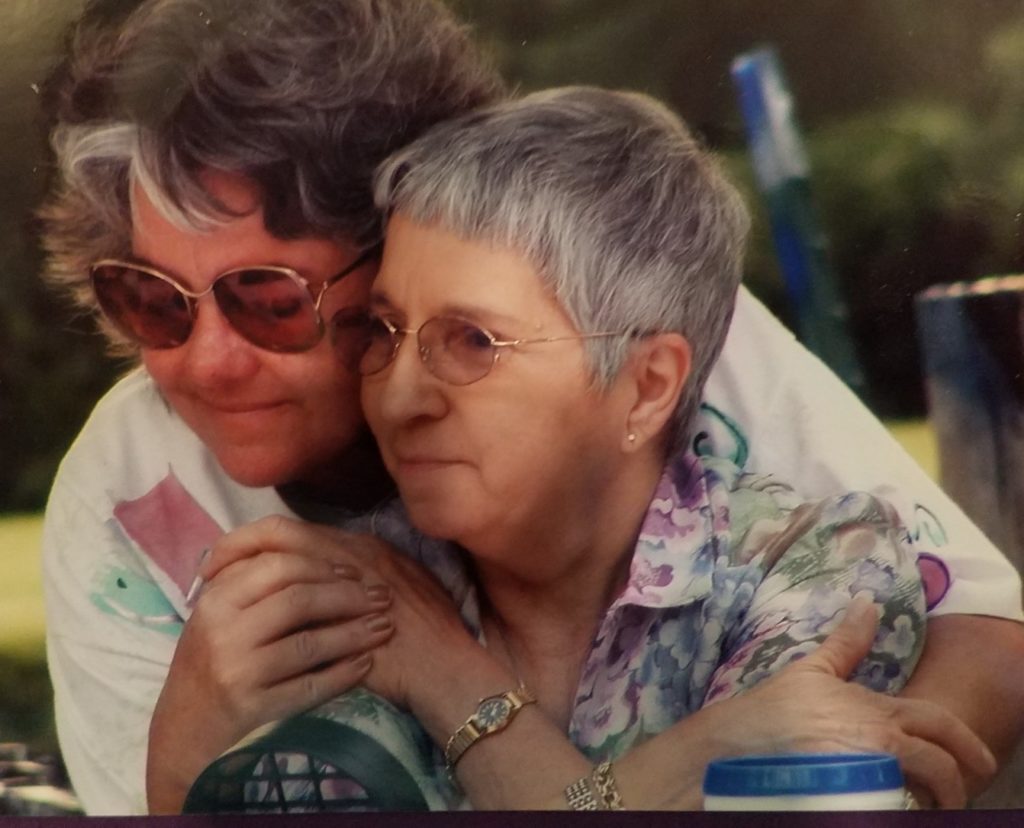
What makes you . . . Prompt #484

  • Peace. Prompt #483

    Mother Ganga

    What brings you peace?

    Write about a place, a time, a moment, or a situation where you found peace.

  • Kindness. Prompt #482

    Write about a kindness someone showed you.

    Or write about a kind thing you did for someone.

    Or a kindness you saw.

  • A new adventure. Prompt #480

    Write about something new you tried recently.

    Did you love it?

    Did you hate it?’

    Spill the details!

  • Discovering Epiphanies . . . Prompt #479

    How to get to an epiphany in writing.

    One way to discover an epiphany:

    Start with: The problem began with wanting something.

    I wanted . . .

    I wanted it because (back story) . . .

    To get it, I . . . (action)

    However, something got in my way: (there may be several actions/reactions/sequences that got in the way) . . .

    I had to try something different, so I . . .

    At the time I was thinking that . . .

    The turning point came when . . .

    When that happened, I realized . . .

    Resolution: After that I . . .

    Another way to get to an epiphany:

    Write about a pivotal event in your life. Something happened and you weren’t the same after.  Narrow it down to the exact moment and location where it took place. It could be something wonderful or something painful. It could be funny, sad, heartbreaking or touching. Ideally, it’s a moment that changed your life. It changed how you live your life, how you view life.

    If it comes from your childhood. . . how has it formed you as an adult?
    If it happened after you became an adult, how has it changed your life?

    To get to the epiphany, drill down to the fine-tuning details of what happened that changed you. Be specific: Where, when, who was there, add any details you can remember.

    Inspired by Adair Lara writing workshops.

    You can also use this template to flesh out your fictional characters.

    More about finding an epiphany.

  • Finding Time to Write

    Guest Blogger Bella Mahaya Carter writes about:

    A Cure for Writer’s Block: Write without “Writing”

    Many of my students and clients tell me that they have a hard time finding the time to write. This is totally understandable. Our lives are busy. We have obligations and commitments we must fulfill, or face tangible consequences.

    Writing is not like this. Nobody knows or cares if we don’t write. 
     
    But people who have the urge (calling) to write and don’t act on it often experience dissatisfaction, even angst. They feel like they have an itch they can’t scratch. Part of the problem—what keeps people from sitting down to write—is their own imagination. They’ve made up stories about what “writing” is supposed to look like. They assume they need to carve out huge chunks of time. They believe that they have to feel energized or inspired. They might envision their writing hurting people they love. They may worry they lack talent. They’re convinced they have to know what they want to say, despite the fact that writers often have no idea what’s on their minds until they’ve written. 
     
    Drop Your Limiting Stories and Write Where You Are
     
    When you realize that these inner voices are keeping you from doing what you say you want to do—write—you get to show up exactly as you are. This means you accept yourself and your circumstances, and instead of feeling like you have to stretch into some impossible, imagined version of yourself as a writer, you take “writing” off its pedestal, cradle it in both hands, and invite it into your crowded, messy, busy life. 
     
    Ask yourself these questions: How can I make writing fit within the real world that is my life? How can I create just a little bit of space to write? Can I sit down and scribble in a journal for twenty or thirty minutes once or twice a week?  How about fifteen minutes once a week? Start small. 
     
    Some people don’t think this qualifies as writing, but experienced writers know better. Small efforts taken over time become large. Minutes become hours, so have at it: dump thoughts out of your head and onto the page. Romp around. Have fun. Take your shoes off. Strip naked. No one’s watching and there aren’t any rules. Until you start to take this process seriously, at which point you might want to hit the pause button
     
    Writing Is Not Heavy
     
    Author Jack Canfield tells a story about his spiritual teacher pointing to a boulder in the woods and asking, “Is that heavy?” Jack replied that of course it was, to which his teacher said, “It’s only heavy if you pick it up.” Trick question? Maybe, but it serves as a lesson for writers: Don’t pick up and carry heavy thoughts that prevent you from writing.
     
    If you show up for yourself in this way—even once a week—you’ll be writing without “writing,” and effortlessly developing a practice. I advise people to work by hand at this stage, which ignites the heart-hand connection. Intimacy flourishes when we bring pen to paper. Author Natalie Goldberg says, “Just because you can drive a car doesn’t mean you should stop walking.” Take one step at a time. Feel your way.
     
    Type and Edit Your Work 
     
    Once you’ve developed a “writing without ‘writing’” practice, you may want to expand that by devoting a small amount of time each week to typing up what you’ve scribbled, editing as you go. When you feel like you’ve shot your creative load with any given piece, set it aside. When you allow time to pass and come back to your work, you see it with fresh eyes. Edit some more. You’ve no doubt heard the expression “writing is rewriting.”
     
    Create Lists
     
    Keep lists of (a) journal entries that feel relevant or alive in some way that you’d like to develop, (b) typed and edited pieces in process, and (c) places to send your work when it’s ready.
     
    To recap, you’re basically just showing up a couple times a week to scribble and play in your journal, and also devoting one hour a week to typing, editing, and developing ideas that surfaced during your playtime scribble session. With these two practices in place you are “writing without writing.” But really, you’re writing! Congratulations! Keep going.
     
    My dad used to say, “If you love your work, you’ll never work a day in your life.” I’d like to add: If you don’t think of what you do as “Writing” with a capital “W,” if you shift your thinking about what it means to write and be a writer, and allow yourself to have a good, long scribble, rant, or rave, free from ego demands or expectations, you will be living the “writing without ‘writing’ life”—and loving it!

    Note from Marlene:

    The Write Spot Blog as over 475 writing prompts to spark your writing and places to submit your writing. Good Luck!

    Bella Mahaya Carter is an author, creative writing teacher, and empowerment coach, who helps writers (and others) experience greater freedom, joy, and peace of mind.

    She believes in the power of writing to heal and transform lives, and views publishing as an opportunity to deepen self-awareness, nourish meaningful connections, and delight in peak experiences while being of service.

    Bella has been teaching and coaching for over a decade. Bella coaches authors one-on-one who are ready to take a deep-dive into their writing, or need help with a book proposal, or are navigating publishing decisions, book launches, promotional activities, and more. 

    Her memoir, “Raw: My Journey From Anxiety to Joy” won a silver medal in the Mind, Body, Spirit category at the Benjamin Franklin Book Awards, sponsored by the Independent Book Publishers Association. Aspire Magazine selected Raw for its “Top Ten Inspirational Books” for June 2018, and Independent Publisher called it an “Indie groundbreaking book.”

    Note from Marlene: I highly recommend this book.

    Since the publication of her memoir, Bella has become an Anxiety-to-Joy coach. Readers reached out to her for help and she couldn’t turn them away.

    “This work has chosen me and it’s powerful. I’ve gone from being a person paralyzed by an anxiety disorder—afraid to leave my house—to someone who teaches others how to holistically heal anxiety! I never planned this; life unfolds in mysterious ways, and I’m both honored and grateful to be of service in this way.”
      
    Bella’s Blog explores intersections between the writing life, spirituality, and personal transformation and growth. She writes about how to stay sane and joyful as a writer, from inspiration to publication, and beyond. She is concerned with the whole-person—body, mind, and spirit. Her posts include information about self-care, nourishment, mental health (especially anxiety), and more. She is a healer.


  • You can’t get away with it. Prompt #478

    You can’t get away with it.

    Or, can you?

    Write about something you or someone else got away with . . . or didn’t get away with.

  • Laugh Every Time. Prompt #476

    Write about something that makes you laugh every time.

    Or write about someone who makes you laugh.

  • Writing Makes Chaos Bearable

    “Stories are how we make sense of our lives, how we attempt to impose some discernable order on the chaos of existence, and such attempts make the chaos bearable.” — Bret Anthony Johnston, “Narrative Calisthenics,” Poets & Writers, Nov/Dec 2008

  • Writing Exercises Are Like Foyers

    “. . . writing exercises . . . are the way architects think of foyers: They usher an individual from one world to another. I use them as a means of transitioning from the outside word of reality to the interior word of imagination and language. . .” — Bret Anthony Johnston, “Narrative Calisthenics,” Poets & Writers, Nov/Dec 2008