“The opposite of a trigger. Glimmers are those moments in your day that make you feel joy, happiness, peace, or gratitude. Once you train your brain to be on the lookout for glimmers, these tiny moments will appear more and more.” Author Unknown
“It was the best of times, it was the worst of times, it was the age of wisdom, it was the age of foolishness . . .”
“The Glass Castle” by Jeanette Walls
“I was sitting in a taxi, wondering if I had overdressed for the evening, when I looked out the window and saw Mom rooting through a dumpster.”
“Lessons in Chemistry” by Bonnie Garmus
“Back in 1961, when women wore shirtwaist dresses and joined garden clubs and drove legions of children around in seatbeltless cars without giving it a second thought; back before anyone knew there’d even be a sixties movement, much less one that its participants would spend the next sixty years chronicling; back when the big wars were over and the secret wars had just begun and people were starting to think fresh and believe everything was possible, the thirty-year-old mother of Madeleine Zott rose before dawn every morning and felt certain of just one thing: her life was over.”
According to legend, Chinese New Year started with a mythical beast called the Nian (a beast that lives under the sea or in the mountains) during the annual Spring Festival.
One year, the villagers decided to hide from the beast.
An older man appeared before the villagers and said that he would stay the night and get revenge on the Nian.
The old man put red papers up and set off firecrackers.
The next day, the villagers returned and saw that nothing had been destroyed.
They assumed that the old man was a deity who came to save them.
The villagers learned that the old man discovered that the Nian was afraid of the color red and loud noises.
The tradition grew as New Year approached.
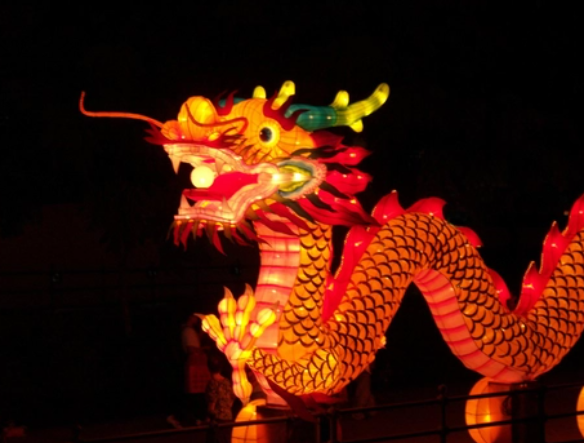
The villagers wore red clothes, hung red lanterns and red scrolls on windows and doors.
They used firecrackers and drums to frighten away the Nian.
From then on, Nian never came to the village again.
Look at the chart below. Find your birth year. Discover your Chinese animal.
The writing prompt is after the list of animals.
Chinese New Year animals
Rat 1948, 1960, 1972, 1984
Ox 1949, 1961, 1973, 1985
Tiger 1950, 1962, 1974, 1986
Rabbit 1951, 1963, 1975, 1987
Dragon 1952, 1964, 1976
Snake 1953, 1965, 1977
Horse 1954, 1966, 1978
Sheep/goat 1955, 1967, 1979
Monkey 1956, 1968, 1980
Rooster 1957, 1969, 1981
Dog 1958, 1970, 1982
Boar/Pig 1947, 1959, 1971
Prompt 1:
Write something that intrigued you with the Nian legend.
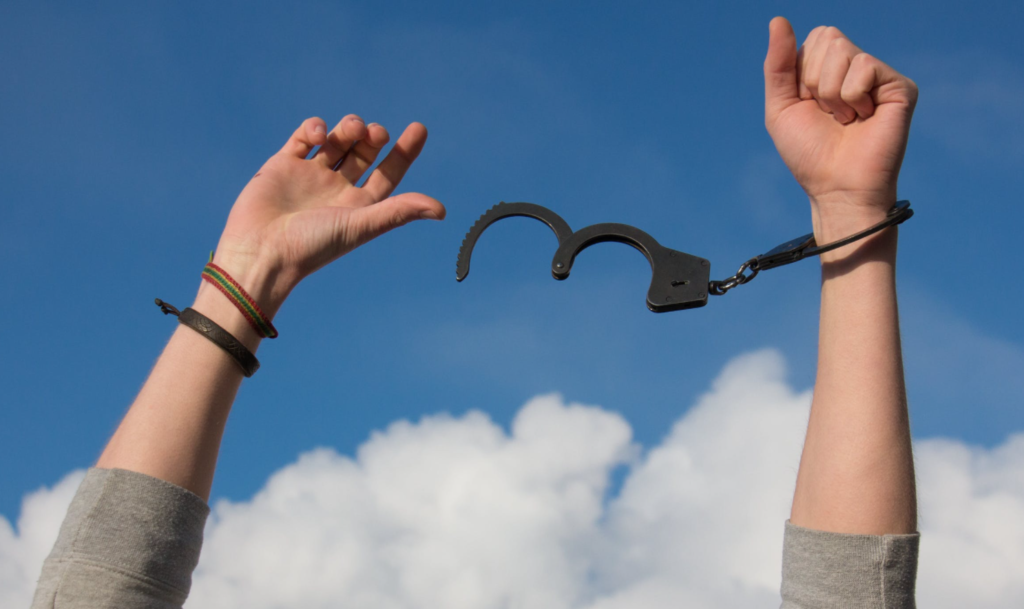
Or: Write about a new year, a new beginning.
Write about what scares you. Then, write about what calms you.
Thinking about your Chinese animal . . .
Does that animal’s behavior and characteristics match how you go through life?