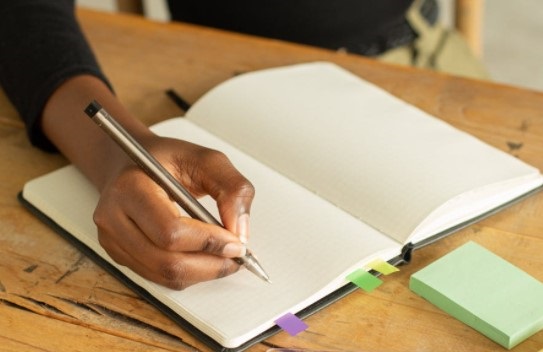
“Forget about inspiration and get into the habit of writing every day. Habit has written far more books than inspiration has. If you want the Muse to visit you, she needs to know where you are: so stay at your desk.”
— Philip Pullman
“Forget about inspiration and get into the habit of writing every day. Habit has written far more books than inspiration has. If you want the Muse to visit you, she needs to know where you are: so stay at your desk.” —Philip Pullman
“Be brave with it. Be brave with the thing that you are most scared to talk about, that is the thing you need to be able to talk about. There are so many tragedies in you and joy in you that need a voice, and you would be so surprised to see that when you voice that thing you are so scared of how many people across the world will go, ‘Hey, I feel like that too. Thank you for putting a voice to how I feel.’”
“. . . there’s nothing more glorious than when a fictional character feels completely real. And nothing more meh than when a fictional character feels like a cardboard cut-out”
From Marlene: I agree! I love to immerse myself in writing that takes me into another world. I’m not interested in reading what a character looks like and haven’t been able to articulate why until I read this by Jo Gatford:
“I usually don’t give much of a crap what a character looks like, unless there’s a particular physical attribute, gesture, or way they move that helps show who they are. So dive deep and look for a line that gives us a guts-first impression of your fictional person.”
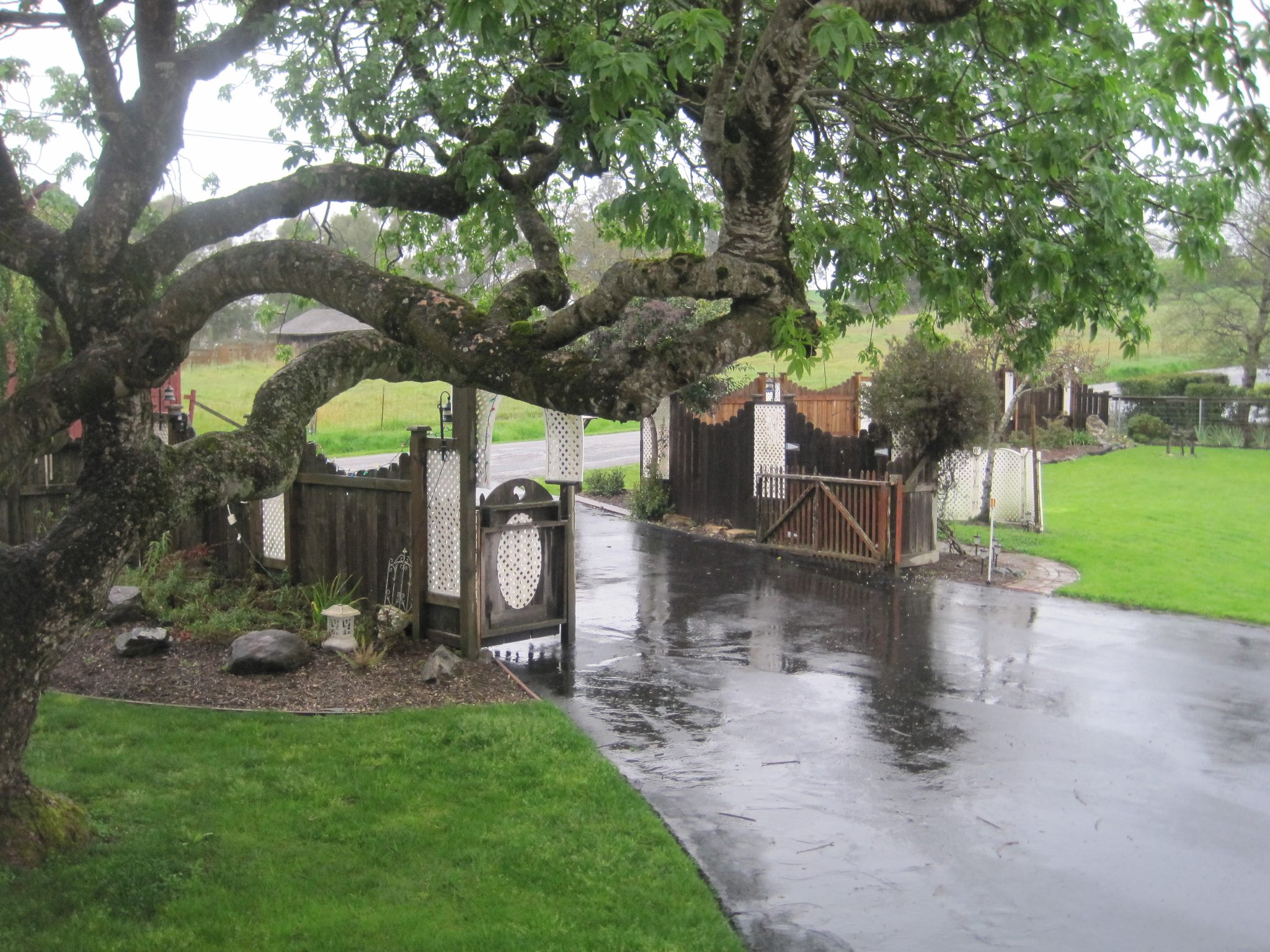
“Let the rain come and wash away the ancient grudges, the bitter hatreds held and nurtured over generations. Let the rain wash away the memory of the hurt, the neglect. Then let the sun come out and fill the sky with rainbows. Let the warmth of the sun heal us wherever we are broken. Let it burn away the fog so that we can see each other clearly. So that we can see beyond labels, beyond accents, gender or skin color. Let the warmth and brightness of the sun melt our selfishness. So that we can share the joys and feel the sorrows of our neighbors. Let the earth, nourished by rain, bring forth flowers to surround us with beauty. And let the mountains teach our hearts to reach upward to heaven.”
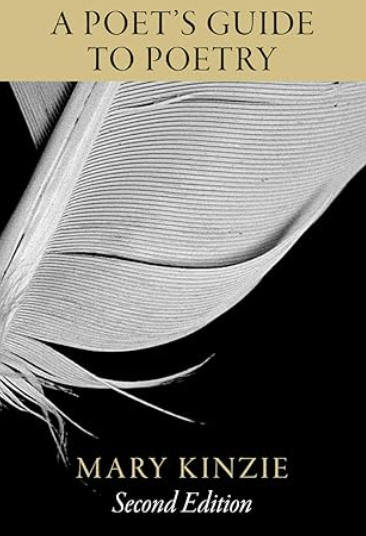
“Even after a poem has hardened into print, it may continue to represent a risk, a chance, a surmise, or a hypothesis about itself.”
— Mary Kinzie
Mary Kinzie. A Poet’s Guide to Poetry, U Chicago Press
Thank you, Sonoma County Poet Laureate, Dave Seter, for letting me know about Mary Kinzie.
Dave’s response to Mary’s quote:
“What this means to me is, a piece of writing is never truly ‘done’ so instead of worrying so much about whether it is ‘done,’ we should share our writing with each other even when it feels a little raw, because there is power in the original idea and sometimes it takes time for the words to catch up with the idea.”
“Writing sheds light where there is darkness. It brings people a greater understanding of themselves and each other and the world. It connects them and brings them together. It makes our world warmer and brighter and more hopeful.”
Note from Marlene: Grant Faulkner’s musings on his Substack page are golden comfort to a writer’s soul, offering unique perspectives that inspire writing.
For example, his essay on “Surrender as Action Verb.”
“When we surrender ourselves to our art, we allow ourselves to soften. Surrender invites us to give ourselves up to something larger, to meld with wonder and awe. Surrender creates intimacy and expansiveness at the same time. It sparks curiosity, exploration. It’s the equivalent of going to sleep: by sinking into an unconscious state, we allow dreams to fill us. We give up trying to change and control things. The rigidities of expectations, desires, and aspirations melt away.
Think what would change if you allowed yourself to surrender in a conversation. What if you committed to listening, to let another’s words and spirit rise up and take you instead of focusing on your point of view, your needs. What if you decided not to try to win the next argument you find yourself in? What if you decide not to be the star of the conversation?”
Excerpted from “Surrender as Action Verb” on Grant Faulkner’s August 18, 2024 Substack: Intimations: A Writer’s Discourse.
“Alternate versions of past events are common, because it is human nature, especially where childhood memories are concerned, to move ourselves—over time—to the center of a story. We are hardwired to see the world through our own points of view, and increasingly so with the passage of time. Memory is a river, not a block of cement.” — “But My Sister Remembers It Differently: On Working with Contested Memories,” by Dinty Moore, Aug. 15, 2024 Brevity Blog.