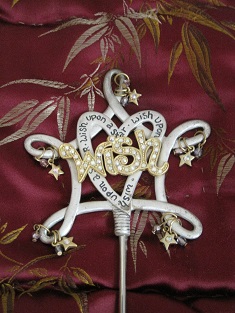
What would you appreciate seeing or happening this holiday season?
#justwrite #amwriting #iamawriter

What would you appreciate seeing or happening this holiday season?
#justwrite #amwriting #iamawriter

Back in the day, many people sent Christmas cards with notes or the generic letter.
How about a tweak to the standard holiday greeting?
Write a note of appreciation, letting someone (alive or not alive) know what you appreciate about them. This is a note or letter you may or may not send.
Prompt: Write a note of appreciation.
#amwriting #justwrite #iamawriter
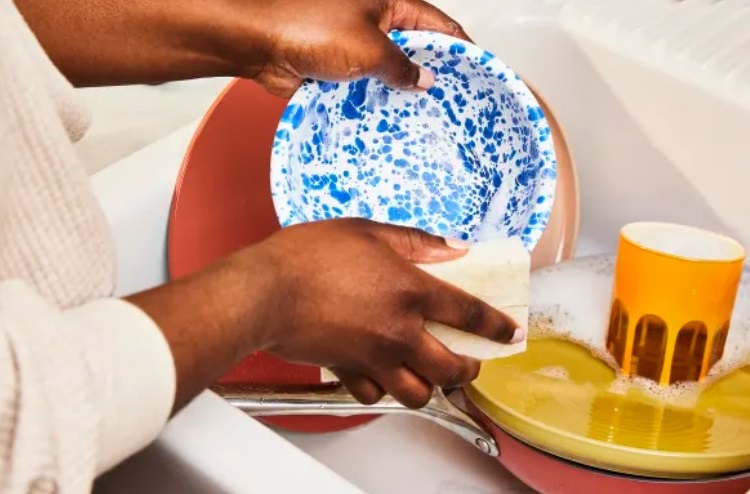
“To my mind, the idea that doing dishes is unpleasant can occur only when you aren’t doing them. Once you are standing in front of the sink with your sleeves rolled up and your hands in the warm water, it is really quite pleasant. I enjoy taking my time with each dish, being fully aware of the dish, the water, and each movement of my hands . . . The dishes themselves and the fact that I am here washing them are miracles!” — “Peace Is Every Step: The Path of Mindfulness in Everyday Life,” by Thich Nhat Hanh
Prompt: Write about a mundane chore, or something you routinely do, that has a meditative quality.

If you could thank someone (living or dead) for their influence on your life, who would you thank?
Many people would think of a family member.
How about this:
Write a thank you note to someone (living or dead), excluding family, for their influence on your life.
Just Write!

“It is a relatively little-known fact that over the course of a single year, about twenty million letters are delivered to the dead.”— “The Girl With No Shadow” by Joanne Harris
Prompt: Write about a letter delivered 25 years after it was written.
Or 33 years after it was sent.
Or 18 years.
You can write from the point of view of the recipient, the sender, or both.
Or write about the unintended recipient . . . the person who now lives at the address the letter was sent to.
Does the letter reveal disturbing or euphoric news?
Just Write!
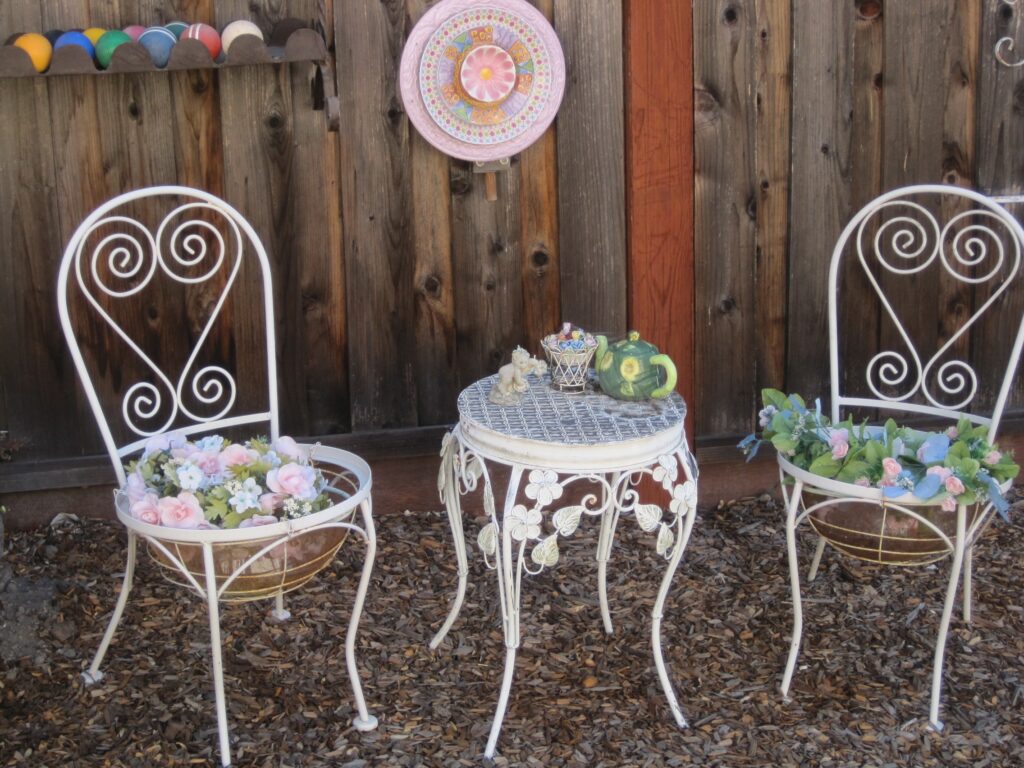
Write about a view from a window.
Perhaps the view from your kitchen window.
Or your living room window.
Or the view from a public place.
Just Write!

What is the most fearless thing you have done?
You can write about that event.
Write about what led up to the event.
Or, start your story in the present and go back in time to tell what happened.
If this situation changed you, how did it change you?
What did you learn?
If you could, would you do it again?
What would you do differently?

Let’s play with clichés.
It goes like this:
I’ll write some clichés with missing words.
You get to fill in the missing words. It’s sort of like Mad Libs.
For example:
More than one way to skin a cat becomes: More than one way to [verb] a [noun].
Ready? There are no wrong answers!
Whatever responses you came up are fine. Can you use any of your re-imagined cliches in your writing?
Clichés used:
Definition of cliché
A cliché is a tired, stale phrase or idiom that, because of overuse, has lost its impact. What was once a fresh way of looking at something has become a weak prop for writing that feels unimaginative and dull. Clichés are what you write when you don’t have the energy or inspiration to think of a new way to express an idea.
More clichés. (scroll down)
Prompt inspired from the Sept/Oct 2022 issue of Poets & Writers magazine.
In works of fiction, we think of “characters.”
When writing memoir, we think “real people.”
Let’s experiment with writing about real people as if they were characters in fiction.
Think of someone you know that you would like to spend some time writing about.
You can also do this for your fiction characters, if you are working on a fiction project.
Make a three-column list.
Column 1 What I know
Column 2 How I know it
Column 3 How to show it
Column 1 Write one or two-word descriptions about someone.
Column 2 How you know these characteristics.
For example, if the person is described as cheap, you might write, “contributes only $20, no matter his actual share, at a group dinner.”
Column 3 Jot down short notes on how you might show these characteristics
In the case of the cheap friend, “brings his teabag to use at restaurants.”
Connecting The Dots
How is this character, or how are these details, connected to you?
These connections are what make life meaningful and make your stories interesting.
These stories can also be about never connecting or missed connections.
Idea excerpted from The Writer magazine, June 2005, “Frank Talk About Writing Your Memoir,” by Sol Stein
#justwrite #amwriting #iamawriter
#justwrite #amwriting #iamawriter