BEE-ING

  • BEE-ING

    Memorable writing that sparks imagination. Lean in. Hear the writer’s voice on the page.

    BEE-ING

    By Su Shafer

    I have become a stone.

    A gemstone. Labradorite

    Or Moonstone maybe.

    No – an Orca Agate

    From the Earth, with an affinity with water.

    I am a stationary object.

    My unruly legs have taught me

    The power of stillness,

    How motionlessness invites presence

    In each moment.


    Today I watched a bee visit

    All the flowers in my patio planter.

    Her tender attention to each one

    The pollen pantaloons on her legs

    The song of her wings, 

    Humming as she went from floret to floret

    Trailing in the air behind her as she flew off.


    Her busy work reminds me

    There are no small lives.

    I think of her and her sisters

    Bustling about in the hive,

    Content in their purposefulness.

    Unlike my quiet house

    There is no stillness in a hive

    Even when they pause for a brief repast

    Of bee bread and honey.

    Su Shafer is a creative crafter, fabricating bits of writing in poetry and short stories, and other bits into characters that appear in paintings or sit on various bookshelves and coffee tables. She lives in a cottage on the Olympic Peninsula of Washington, where the tea kettle is always whistling and the biscuits freshly baked. One never knows who might stop by to share a rainy afternoon. And all are welcome!
  • Yearnings . . . Prompt #791

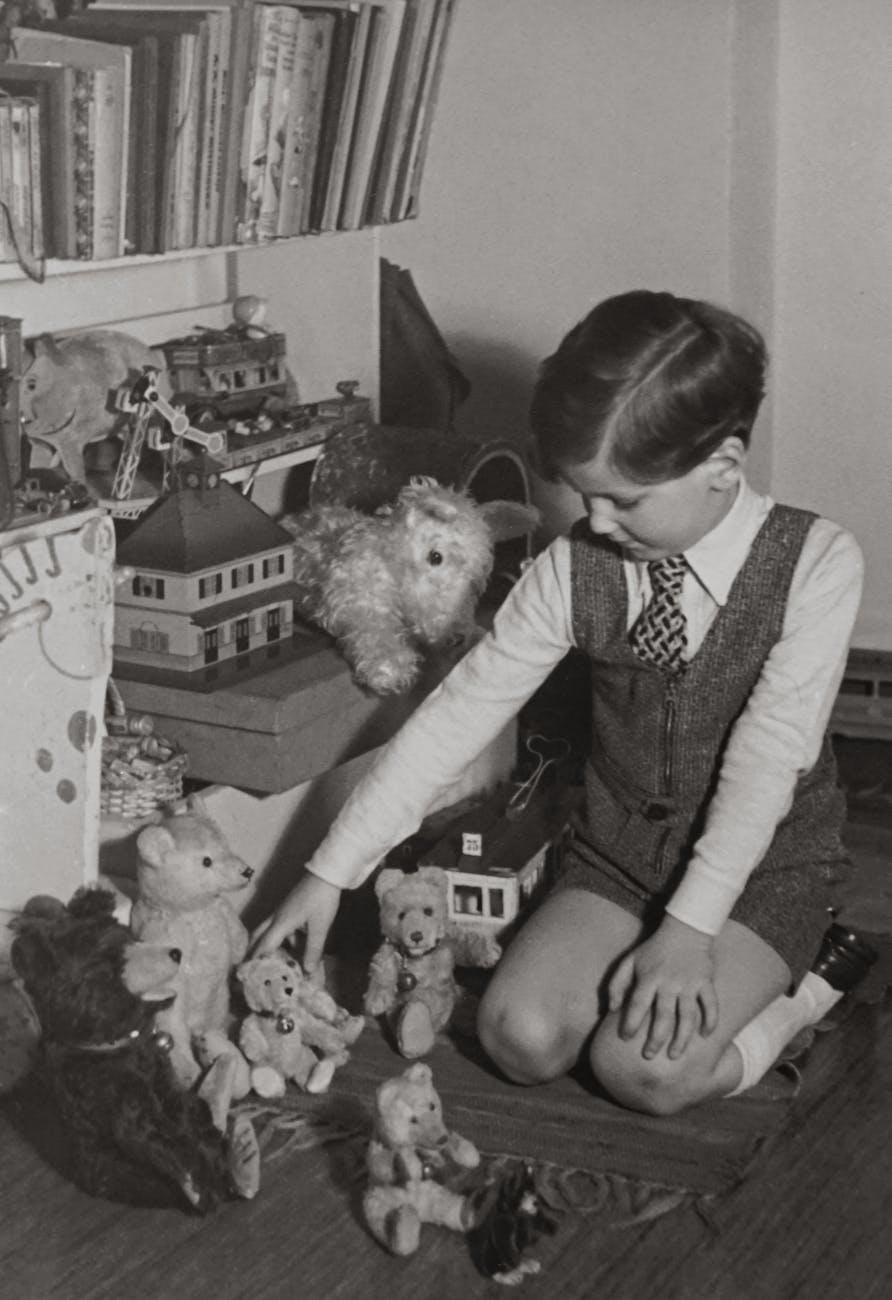
    grayscale photography of toddler playing bear toys
    Photo by Suzy Hazelwood on Pexels.com

    As a child, what toys or games did you see advertised on TV, or in the Sears Roebuck catalogue, that you wanted and didn’t get?

    OR: What toys did you want that your friends had and you didn’t have?

    OR: Write about being jealous, or feelings of “have not.”

    OR: Yearnings: Then or now.

    Frances Lefkowitz wrote a wonderful memoir, “To Have Not.”

    #justwrite #iamawriter #iamwriting

  • If you could be small . . . Prompt #789

    Writing Prompt: If you could make yourself small, what would you do?

    #justwrite #iamawriter #iamwriting

  • Movies! . . . Prompt #779

    Movies!

    What movie made you laugh more than any other? 

    Your all-time favorite movie. Why?

    Write about a movie that deeply touched you.

    Write about a movie you saw as a teenager.

    What movie do you remember seeing as a child?

    What makes these movies memorable?

  • From The Roots

    Memorable writing that sparks imagination. Lean in. Hear the writer’s voice on the page.

    From The Roots

    By Su Shafer

    I need to let go of the uncertainty

    That I am anything else but a dragon.

    Just a little dragon

    A little wood dragon

    Hatched from a little crystal egg

    As green as the nest of moss it was laid in

    Carefully built in the cool leaf mould

    Gathered in the crook of Granny Maple’s

    Gnarled old roots.

    There is a fire in my heart

    But wood dragons are careful

    Creatures of the trees

    Where fire is seldom welcome.

    Shy as a brown creeper,

    Hiding in plain sight,

    Few people see me

    And the ones who do

    Can hardly believe it.

    Su Shafer is a creative crafter, fabricating bits of writing in poetry and short stories, and other bits into characters that appear in paintings or sit on various bookshelves and coffee tables. She lives in a cottage on the Olympic Peninsula of Washington, where the tea kettle is always whistling and the biscuits freshly baked. One never knows who might stop by to share a rainy afternoon. And all are welcome.

    #justwrite #iamawriter #iamwriting

  • More First Lines From Books . . . Prompt #771

    “A Tale of Two Cities” by Charles Dickens

    “It was the best of times, it was the worst of times, it was the age of wisdom, it was the age of foolishness . . .”

    “The Glass Castle” by Jeanette Walls

    “I was sitting in a taxi, wondering if I had overdressed for the evening, when I looked out the window and saw Mom rooting through a dumpster.”

    “Lessons in Chemistry” by Bonnie Garmus

    “Back in 1961, when women wore shirtwaist dresses and joined garden clubs and drove legions of children around in seatbeltless cars without giving it a second thought; back before anyone knew there’d even be a sixties movement, much less one that its participants would spend the next sixty years chronicling; back when the big wars were over and the secret wars had just begun and people were starting to think fresh and believe everything was possible, the thirty-year-old mother of Madeleine Zott rose before dawn every morning and felt certain of just one thing: her life was over.”

    More: First Lines From Books . . . Prompt #571

    #justwrite #amwriting #iamawriter

  • Neuroplasticity & Character Development . . .  Prompt #743

    Neuroplasticity

    We have well-worn neural pathways that help us get through routine activities without having to think about the details of each one.

    For example: Driving to a destination and arriving without having remembered every detail on the route.

    When that neural pathway gets interrupted, there is an opportunity for:

    Neuroplasticity: The brain’s ability to form new connections and neural pathways. 

    That change of habit can enrich perspectives:

    The way we look at our world, the way we meet challenges, and problem solve.

    Prompt #1

    Set the scene.

    Choose a fairytale character, a fictional character you create, or someone from your life (this could be you):

    Finish the sentences:

    A character wants ___________________________

    To get it, character needs to ____________________

    But (obstacles) ______________________________

    What if: Neural pathway gets interrupted. An opportunity for neuroplasticity? _________

    Prompt #2

    Choose one path to follow

    Path One: Fractured Fairytales: Start with a well-known fairytale and mix it up.

    Give the character another obstacle, or add on to existing obstacle.

    Embellish the details, be as unrealistic and as crazy as you want.


    Path Two: The main character is the person you just wrote about or someone from your life, (could be you).

    Path Three: Main character is a fictional character created by you.

    Whatever path you choose, use these questions to develop character and situation:

    What does the character want?

    What are the obstacles?

    If you choose to write about person from the first prompt, use “add-ons” to flesh out the story.

    Add-ons: For every sentence you wrote in Prompt #1, add three more sentences.

    For example:

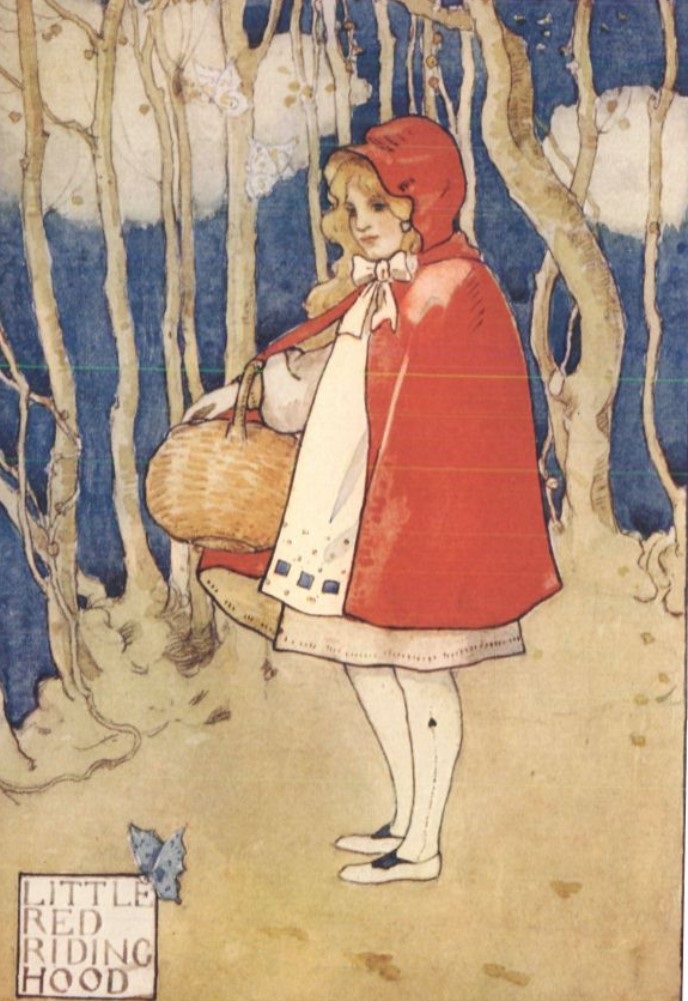
    Original sentence; Little Red Riding Hood wants to deliver tasty morsels to Grandmother.

    Add-ons: She carries the muffins in a basket. She made the muffins that morning. She’s worried about Grandma’s health.

    Prompt #3

    What does the character need to do to get what they want?

    How does character solve problem? Able to form new connections and new neural pathways?

    This could be a brainstorming session where any and all solutions are possibilities.

    You can be creative in how character solves problems. Anything goes!

    Or, you can be realistic, overcome obstacles in a reasonable way.

    More on character development

    Character development – discovering characters

    What does your character want? What gets in the way?

  • State fairs, county fairs, bazaars . . . Prompt #740

    Photo by Denisse Leon

    Writing Prompt: State fairs, county fairs, bazaars

    Where you . . .

    Tried your luck at winning prizes.

    Threw a dart to win a stuffed animal, tossed a ring to win a goldfish.

    Went on a dizzy, scary, gravity-defying ride.

    Ate fair food:  Fried food, caramel covered apples, cotton candy, funnel cakes, soft-serve cones.

    Were entertained: Music, hypnotist, magicians, stilt-walkers.

    Inhaled a variety of smells: Barnyard animals, food.

    Gazed at exhibits: 4-H crafts, fine art, photography, sculptures.

    Prompt: State fairs, county fairs, bazaars . . . an overabundance of sensory riches. 

  • Has your comfort zone changed? Prompt #730

    Has your comfort zone changed?

    Are you more, or less, tolerant than you used to be?

    Are you more, or less, comfortable in crowds?

    What did you used to do that you don’t do now?

    What do you do now that you didn’t used to do?

    #justwrite #amwriting #iamawriter

  • Writing That First Thing

    “Remember that when you’re writing that first thing, you’re in an incredibly precious time. When you’re writing that book or that early story, write for yourself first and foremost. There’s going to come a time when that won’t be the case anymore, when there are going to be all these people who are involved. So, don’t be in any great hurry to publish or to get it out there into the world. Take your time to hone and draft that first book. Appreciate those early years where you’re writing for yourself because it never is quite the same once you start publishing.”

    Excerpt from a Writer’s Digest interview with Brandon Taylor.

    The bestselling (and Booker Prize-shortlisted) author discusses the interconnectedness of his work, the importance of short stories, and his latest release, The Late Americans. Interviewed  Michael Woodson

    The May/June 2023 issue of Writer’s Digest is all about “Keeping It Short” —short forms of writing, that is. This issue includes advice for writing flash fiction, personal essays, and some of the shortest—but most important—bits of writing you’ll do: loglines, elevator pitches, query pitches, synopses, and marketing copy. Plus, we feature the perennial favorite 25th Annual 101 Best Websites for Writers.

    #just write #iamawriter #iamwriting