I Know Now

  • I Know Now

     Memorable writing that sparks imagination. Lean in. Hear the writer’s voice on the page.

    I Know Now

    By Mary O’Brien

     I know now not to bet on a sure thing.

    Christmas caroling with Grandpa and the grandkids at a nursing home the Saturday before The Big Day?  Piece of cake…and there would be cake and treats for all participants afterwards. The perfect ending to a memory-making afternoon. This I had promised.

    I know now that my 86-year-old father, once blessed with a deep, rich and mellow bass voice now sings 1.75 pitches above the tone for which he aims. You know, the melody everyone else is singing a Capella because no musicians showed up.

    I leaned toward my oblivious and progressively hard of hearing dad, aiming what was left of my contralto towards his left ear. I had lost my voice the day before and at this point all I could do was honk out “six geese a-laying” in the key of G whiz.

    As we were at the tail end of the L-shaped line of carolers, no one could come to my rescue. My husband just grinned at me, Chesshire-like, and looked away.

    Away at the residents in chairs and wheelchairs, some of their brows knitted together, staring at Dad, who smiled and nodded, increasing his volume and pitch another tone northward at the presumed encouragement.

    My grandchildren, Harry 8 and Audrey 6, soldiered on, putting their little hearts into Away in a Manger while scanning the room for the promised treats, which I had already noticed included a paltry day-old heart-shaped cake on the small side and an even smaller bowl of fruit. For the entire company of residents, their guests, and singers. I imagined cookies and divinity accompanied by hot cocoa surely must be ready to roll out on a cart after our grand finale of O Holy Night, which was going to be a doozy if my dad had anything to say about belting out high notes as a former barbershopper.

    I avoided eye contact with the reluctant song leader and kept an eye on the kids at my hip in their Santa hats. We had all worn hot, fussy Santa hats that sweated itchily in the overheated facility.

    Joy to the World reminded me that I’d promised a special treat to the kids each time they made someone smile. I know now that was somewhat shortsighted as they had just completed piano recitals after which they would be given brownie points for the best post-performance bow. Leave it to my grandchildren to remember the roomfuls of smiles their deep, dramatic bows and humbly exaggerated curtsies had earned at recital.

    Yes, Harry started with the bowing at the end of Here Comes Santa Claus while Audrey, quickly catching on, not only bowed but fluttered her little hands in prayer-like folds under her chin…her smile not unlike that of my husband, cheesy and insincere.

    At least the residents were getting a show, which was the point. I guess.

    All that to say that I know now there is a mild curse word in the second verse of We Three Kings of Orient Are. The kids were at the perfect age to get a thrill from legally saying the word “ass” in public, in front of adults. I sensed shoulders below me raising up and down with barely contained giggles.

    I don’t know why my eyes get instinctively wide when I’m trying to pretend nothing is wrong, but there they went. Wide. Wide as my father’s mouth as he sung with gusto and bent knees, “OH, STAR of WONDER, STAR of NIGHT…”

    I know now what hysteria must feel like when it creeps up your sternum – you tighten your throat against it, bite the inside of your cheek. But here it comes, a bubble of absurdity in the solar plexus, rising up to escape the stiff chin trying to maintain decorum but losing ground.

    I search for a face, a pair of eyes to lock onto, to throw my serious intentions their way for their benefit. There! Little lady to the left eyeballing me and I think she might save me…when what does she have the nerve to do but wink.

    As Harry and Audrey grin widely and take their bows, I lose my grip and begin to giggle at the most solemn and hushed moment when O Holy Night begins with sacred words.

    Unfortunately for everyone, I snort when I laugh or cry, and at that moment I was involuntarily doing all three. The contagion of such behavior is widely documented. First the grandkids began to fall about the place like drunken musketeers while the carolers voices began to fall off one by one, hidden behind hands smothering grins.

    Except for Edwin, my father. Without the ability to hear the song had ended, he was suddenly thrust into a spotlight, belting out a solo that would curl the hair of a yak. He creshendo’d the ending in eye-watering sincerity if not grace, hushing to the final, “o night divine,” which should have faded to a thoughtful, peaceful tonic. Whatever hambone had been awakened in him suddenly came to life, as this was his moment to shine. He filled his lungs, dropped his folder, spread his arms wide channeling Jimmy Durante and gruffed a memorable, “hot cha cha!” to peals of unbounded glee and horror.

    And now I know.

    Mary O’Brien writes from the comfort of her Celebrated Art Cave (spare bedroom) near Boise, Idaho. She writes weekly with Jumpstart Writing Workshops, as well as a smattering of smaller groups. She revels in looking for opportunities to capture memories and imaginings via daily life, nature and her impossibly bright grandchildren.

    You can read more of Mary’s writing on The Write Spot Blog:

    Under The Tree

    Reality’s Ruse

  • Joy . . . Prompt #820

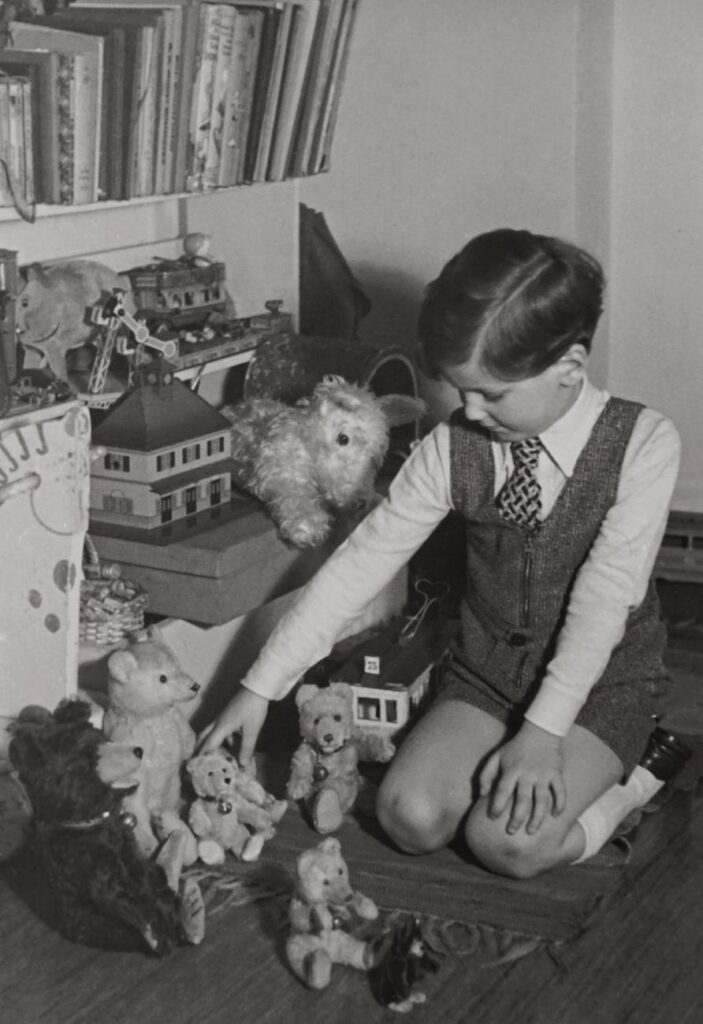
    grayscale photography of toddler playing bear toys
    Photo by Suzy Hazelwood on Pexels.com

    Write about something you own that brings you joy.

    Or, write about something you own that does not bring you joy.

    Why do you keep it?

    #justwrite #iamwriting #iamawriter

  • Scent: Powerfully Evocative

    Rainy Day Chocolate

    “The seasonal ingredient that might be the most powerfully evocative is scent.

    Physiologically speaking, the central location for identifying aromas lives in the front of our brains in the olfactory bulb.

    This structure is closely tied to the limbic system, a command center for our emotions and long-term memory. That explains why scent is so closely allied with thought.” — Stephen Orr, Editor in Chief of Better Homes & Gardens magazine (December 2023).

    Choose a prompt related to sensory detail and Just Write!

    Smell, Taste, Hear, Touch   

    Imagery and Sensory Detail ala Adair Lara 

    Sensory Detail

  • Winter Sunrises

    Memorable writing that sparks imagination. Lean in. Hear the writer’s voice on the page.

    Winter Sunrises

    By Elizabeth Beechwood

    On the darkest days

    The glorious sunrise shouts

    And still we persist!

    Winter solstice marks the beginning of our journey around The Wheel together. It’s a mysterious dark time here in the Northern Hemisphere, when Nature challenges us to turn inward. Inward to our homes, inward to our bodies, inward to our minds and thoughts.

    In my part of the Pacific Northwest, winter is marked by long stretches of blustery rain punctuated with cold, clear breaks in the weather. Many people find comfort in starry winter skies, chunky knitted blankets, and twinkling lights. But it’s during these breaks that I find comfort in something different: the winter sunrise. The sunrise is especially glorious on these mornings; the sky is banded with robin’s egg blue, house finch blush, and warbler yellows and greens. The bare branches of the birches outside my window are strikingly dark against the fleeting colors in the sky.

    What is it that makes sunrise so special at this time of year? Besides the fact that more of us are awake to witness it? It has a magical quality not matched during the summer. The bright colors sweep steadily through the cold air. The chickadee’s morning greetings ring out like bells through this liminal moment. Our spirits are lifted as we witness Nature and all her features persisting, doing what they know to do during this cold time.
     
    As we head into this darkest turn of The Wheel, look for those glorious winter sunrises and remember to persist in all that is important to you. 

    Elizabeth Beechwood:

    When I write, I start with regular people with regular lives … but then something strange happens. Whether it’s fiction, fantasy, magical realism or genre-bending, you can count on something just a little peculiar from my stories. I’m also a certified Oregon Naturalist, so the natural world and its many aspects pop up in my writing frequently. Please join me on The Wheel, a quarterly newsletter, as we take another spin around the sun and explore the seasons. You can sign up on my website: elizabethbeechwood.com.

  • Getting Older . . . Prompt #817

    Image by Freepik

    Write about getting older.

    #justwrite #iamwriting #iamawriter

  • Oldest Friend . . . Prompt #816

    Write about your oldest friend or oldest relative.

    #justwrite #amwriting #iamawriter

  • When is writing done?

    “Even after a poem has hardened into print, it may continue to represent a risk, a chance, a surmise, or a hypothesis about itself.” —Mary Kinzie. A Poet’s Guide to Poetry, U Chicago Press

    Thank you, Sonoma County Poet Laureate, Dave Seter, for letting me know about Mary Kinzie.

    Dave’s response to Mary’s quote:

    “What this means to me is, a piece of writing is never truly ‘done’ so instead of worrying so much about whether it is ‘done,’ we should share our writing with each other even when it feels a little raw, because there is power in the original idea and sometimes it takes time for the words to catch up with the idea.”

    #justwrite #iamwriting #iamawriter

  • A special person . . . Prompt #814

    My grandmother (Nana) making noodles with my sister and my niece, circa 1974.

    Write about a special person in your life. The person can be alive or no longer living. It could also be an animal.

    #justwrite #iamawriter #amwriting

  • Loss

    Guest Blogger Sharon Ziff writes:

    I lost my gloves—the ones I bought in Venice last year. I loved them. LOVED THEM. How could I love a pair of gloves? They had a soft, fluffy pompom on the top. I liked to stroke them. It was like petting a kitty. Sadness. And upset with myself for losing them.

    So I lost a pair of gloves. How could I feel this deep emotion for a pair of gloves? It’s the attachment to my experience in Venice and my love for the friend I was with.

    Loss is a recurring theme in my writing. At times, I struggle to manage the intense feelings that accompany loss. There’s a burning sensation in my belly that I want to go away. I find myself thinking, “No, no, no,” while tears begin to flow. It’s not about the lost gloves; it’s about the impermanence of life.

    To cope, I have established a gratitude practice, focusing on appreciating the little things. Friendships are crucial in supporting me through my feelings and creating a safe place for expression. I have friends with whom I can laugh after the tears have flown.

    Meditation and journaling help me process my emotions and provide a calming effect. I also have a favorite playlist that serves as a therapeutic outlet, allowing  me to reflect and connect with positive memories.

    Change and loss are a part of life. Aging brings about losses with a decline in health. You may slow down and cannot do everything you did when you were younger. Retirement brought changes. You are adjusting to a new routine or lifestyle you may not have anticipated. Give yourself time. What are some of your passions that can still provide you with a fulfilling life? Focus on them.

    We can be prepared for change and build resiliency as we age. Prepare for the practice of accepting what is.

    As Frank Ostaseski writes in “Five Invitations,” Welcome everything, push away nothing. It doesn’t mean you have to like it. Then focus on what you can do.

    Embrace the joys. As the song goes, “Accentuate the positive, eliminate the negative, and don’t mess with mister in between!”

    Sharon Ziff, RN, spent twelve years as a Hospice Nurse where she learned about end-of-life issues and the importance of the preparations to die with dignity.

    Sharon is certified in the “Authentic Presence: Contemplative End of Life Care Training,” a specialized program, and is committed to providing the Community Education Project called “Let’s Speak About Death.”

    Links to The Write Spot Blog posts about loss:

    How to Write About Your Loss

    Healing Starts When You . . .

    Writer Wounds and Scar Tissue

    The Write Spot: Writing as a Path to Healing” contains lists of valuable resources, including the restorative power of putting uncomfortable memories to paper.