Why I Write. Prompt #309

  • Why I Write. Prompt #309

    There’s a lot going on in the world. Upheaval, turmoil, chaos, unity, freedom, marches, democracy.

    Those are some of the words/concepts I’m thinking as I write this blog post.

    Today’s prompt is similar to my August 12, 2014 blog post, quoting screenwriter and author, Antwone Fisher, about why he writes.

    I write for a variety of reasons: For clarification, to share thoughts, for enlightenment, plus all the things I mentioned in the 8/12/14 post.

    Now, it’s your turn. Why do you write?

  • Create a vignette. Prompt #308

    Many of us have vignettes, little stories of things that happened, that we could write about: Events or situations that enlightened, inspired, or changed us.  All are memorable and could be written. But why? Why should you write these stories?

    “All humans understand and use story on an intuitive level. It’s our most effective teaching tool. It’s how we understand our world, ourselves and each other. It’s how we make and deepen our connections. It’s how we draw meaning from experience.”  — Deb Norton, “Story Structure, Simplified,” WritersDigest, February 2017

    What if there was a recipe for this type of writing like there is for voodoo doughnuts?

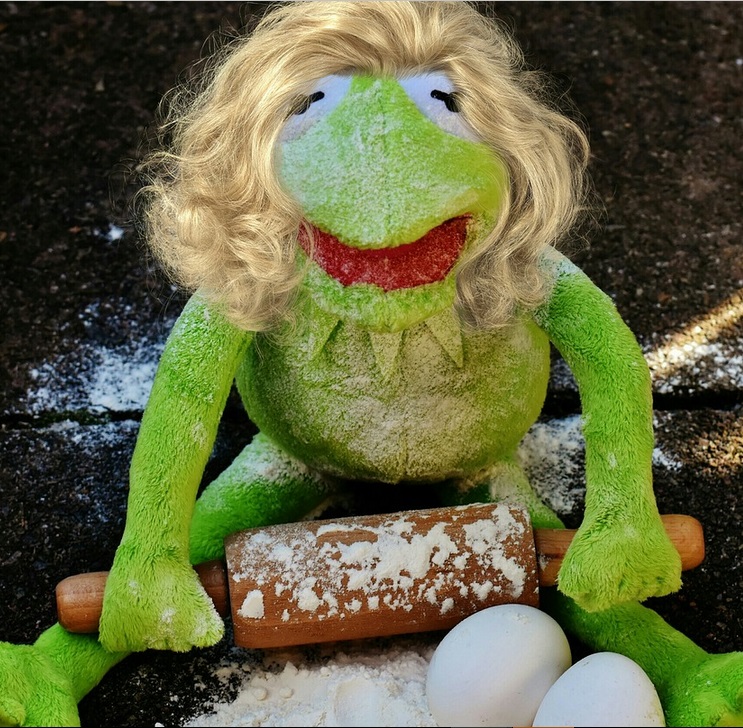
    “Learning when to throw the flour, proper handling of a rolling pin, the intricacies of an old fashion, the ‘flip,’ and countless other tricks of the trade were now in the hands, minds, and notebooks of  Cat Daddy and Tres.”  Voodoo Doughnut

    Recipe for Writing Vignettes

    Learning when to throw in anecdotes, proper handling of strong verbs, the intricacies of memory, the fear of exposure, and countless other tricks of the trade are in your hands and your creative mind. There are many resources to help shape your creation.

    Click Memoir for recipes . . .  how-to ideas . . . for writing anecdotes. Now, get to creating!

  • Figuring out the important thing

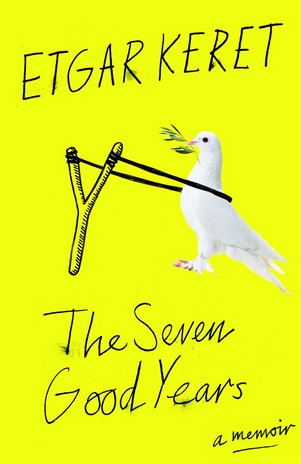
    “Writing essays is like therapy because you’re figuring out: What was the important thing in that incident? ”   —   Etgar Keret

    Keret, an “acclaimed Israeli writer . . . known for his unique and distinctive writing style” began writing essays after the birth of his son.

    “. . . because I’m sensitive about family issues. . . It never stops me from writing it, but it might stop me from publishing it.”  He wrote personal essays to “have a literary tombstone” for his father.  He is able to create work that is “moving and deeply affecting in only a few pages.”

    Excerpted from the February 2017 issue of The Writer magazine.

    Your turn: No pressure to write the next great American novel, just write what you know, what you experience. Write about your trip to the grocery store where you observed an act of kindness or had a weird encounter. Write about your ordinary-to-you holiday event . . . something you will find later and be glad you captured those exquisite moments that you had forgotten:  The funny story your grandfather told, your sweet aunt and her infectious laugh, the annoying presents you received from your equally annoying cousin/uncle/sister/friend. Write the good stuff, the bad stuff and the in-between stuff. Just write.

  • How we affect others. Prompt #307

    It’s after the holidays, when some of us spent time with family.

    It’s inauguration day.  Lots of energy. Lots of emotions.

    Today’s prompt, “How we affect others,” is something I’ve been thinking about for awhile.

    We don’t live in a bubble, immune to the thoughts and emotions of others.

    Today, I suggest writing about how we affect others.

    If that doesn’t work for you, how about:  Do we affect others?   What does that mean?

    I look forward to your response.

  • Despair and broken promises. Prompt #306

    broken-bowl-180-150x135You might know that I facilitate Jumpstart writing workshops. One day, a participant read her freewrite which contained the phrase, “Despair and broken promises.” I immediately thought that would make a great writing prompt.  What do you think?

    And that reminds me, during this season of many deaths, if you need to write a condolence note and are stymied about what to write, take a look at “The Condolence Note – What to Write.”  You might get some ideas.

    Today’s writing prompt:  Despair and broken promises.

    Post your writing on The Write Spot Blog and I’ll offer commentary  . . . always positive.

  • Favorite Recipe . . . Prompt #305

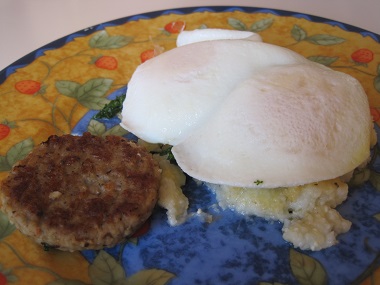
    grits-breakfastDo you have a favorite recipe?

    Write about that recipe . . . where did the recipe come from? What kind of occasion did you have it?

    Photo:  Fried eggs on top of sauteed kale on top of grits, sausage patty on the side. Yum!  My new favorite recipe inspired by a trip to Athens, Georgia, where every meal was delicious!

  • Nostalgia and writing

    writers-dreamingWhen responding to a writing prompt, you are completely free to write the absolute truth, with no worries about what anyone will think.  You are also free to write fiction. You have the freedom to write whatever you want . . .  these writings are called freewrites.

    There are over 300 prompts on The Write Spot Blog. You can choose one at any time and just write.

    Sometimes our writing takes us to memories from our childhood, a very powerful place that is important and so intoxicating.

    From Writers Dreaming, by Naomi Epel,  chapter by James W. Hall:

    “One of the things that I’ve discovered through reading a lot of best-sellers, studying a lot of popular fiction for courses that I’ve given at the university, is that there are certain recurrent, mythic qualities in books that we could consider, from an elitist academic viewpoint, to be pulp or low-life, mass-market fiction. But obviously they have a certain kind of power or else three million people wouldn’t buy and be excited about them. One of the things I found out was that there were these recurrent patterns. One, for instance, that I feel has a kind of mythic quality, is what I came to call, in a particular class on bestsellers, “the golden place.” This is where the novel begins to picture a time and place, usually both of those, where the grass was greener, the flowers smelled better, the birds chirped more purely and everything was simply better. Usually associated with childhood and long ago. It’s a form of nostalgia, I suppose, but when you see it in a fictional form it has a tremendous power to call us to our best, ideal selves. We feel in ourselves that such golden places are possible to return to, to reacquire, to rediscover and I think that one of the hungers we bring to the reading experience is to go to other people’s golden places and live there, temporarily. A place that is coherent, that makes sense, where values are still valuable and ideals are possible to achieve.”

    Note from Marlene: Our freewrites are much like what Hall describes – when we go back in memory, we touch “the golden place” and “nostalgia” — a place where the reader/listener wants to live where you did and do what you did— and that speaks to the power of writing.

    Your writing has  “. . . in a fictional form. . . a tremendous power. . . “

    So, keep writing. Write for yourself with no judging nor critiquing. Just Write.

  • If I have to . . . prompt #302

    thewritespotblog2016Today’s writing prompt:

    If I have to . . .


    Post your writing on The Write Spot BlogGuidelines.

  • Difficult Time Part 1 Prompt # 298

    ArgueWrite about a difficult time . . . something that happened to you or something you witnessed that made your stomach churn. Perhaps a crisis, or an argument, a disagreement.

    Write about an event that got you hot under the collar.

    Write as if you were a reporter narrating the facts. This happened and then that happened.

    See your story and tell it.

    How to write without adding trauma.